How to Prune Blackthorn?
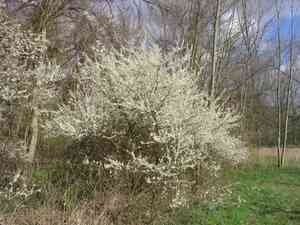
Valued for its thick foliage and pointed spines, blackthorn yields sloe fruits frequently utilized in gastronomic preparations. Efficient trimming entails shortening excessively long branches, reducing crowded sections to enhance air circulation, and molding the bush to a controllable dimension. Optimal pruning occurs in late winter or early spring prior to bud formation, fostering robust development and fruit generation. For blackthorn specifically, pruning ensures a sound equilibrium between mature and nascent wood, crucial for consistent berry output.
Advantages of Pruning Blackthorn
Advantages of Pruning Blackthorn
Trimming blackthorn encourages robust development and maintains its desired form. It aids in producing strong, healthy limbs and clearing out any crowded or lifeless growth, which could otherwise lead to illnesses.
Optimal Time for Pruning Blackthorn
Optimal Time for Pruning Blackthorn
Pruning 'blackthorn' in late winter is advantageous as the plant remains dormant before the start of spring growth. This timing allows gardeners to shape the plant without risking harm to new growth. By pruning in early spring, just prior to the growing season, gardeners ensure that cuts heal rapidly, and the plant's energy is directed into new growth rather than sustaining what will be removed. This period also prevents cutting off the current year's flowers and fruit, which form on the previous year's growth. Late winter to early spring pruning minimizes the chance of disease and pest infestation, which are more common during warmer, wetter months.
Tools Required for Pruning Blackthorn
Bypass Pruners
Perfect for making clean cuts without harming young, green stems of blackthorn. Their design allows for accurate cutting, beneficial for trimming smaller branches and removing dead or diseased wood.
Loppers
Equipped with long handles, they provide the leverage needed to cut through blackthorn's thicker branches that bypass pruners cannot manage. They assist in shaping and maintaining the overall structure.
Pruning Saw
Essential for removing mature wood and larger branches of blackthorn. The saw can cut through dense growth without causing excessive stress to the plant.
Hedge Shears
Useful for shaping blackthorn when it is intended to be kept as a hedge. The large blades enable trimming extensive sections evenly and quickly.
Protective Gloves
Wearing gloves safeguards the gardener's hands from blackthorn's thorns and prevents potential injuries during the pruning process.
How to Prune Blackthorn
Clean Equipment
Before beginning, ensure all cutting tools are clean and sharp to prevent the spread of disease and make precise cuts on blackthorn.
Remove Dead Branches
Identify and cut out dead branches from blackthorn by making cuts at a 45-degree angle just above live buds or the branch collar to avoid damaging the healthy parts of the plant.
Cut Diseased Branches
Carefully remove any diseased branches by cutting them back to a healthy section. Ensure cuts on blackthorn are clean to promote rapid healing.
Dispose Cuttings
Dispose of the removed dead and diseased branches away from blackthorn to prevent any potential reinfection or the spread of pests.
Clean Up
After pruning blackthorn, clean the area to remove any remaining debris and clean your tools with a disinfectant to prevent the disease from spreading in the future.
Common Pruning Errors with Blackthorn
Over-Pruning
Removing too much foliage can stress blackthorn, hindering its ability to thrive. As a general guideline, no more than one-third of the plant should be pruned away in a single season.
Improper Cuts
Incorrect cutting techniques can lead to diseases and weak regrowth. Cuts should be made on a slight angle, just above a bud, and without leaving stubs.
Neglecting To Sterilize
Failing to clean pruning tools can spread disease. It's essential to sterilize the equipment before and after use to keep blackthorn healthy.
Snipping Randomly
Random or aimless snipping can result in uneven growth and poor fruiting. Pruning should be deliberate, with a focus on shaping and improving the health of blackthorn.
Not Considering Plant Age
Young and old blackthorn plants have different pruning needs. While mature plants can handle heavier pruning, younger ones may require a lighter touch.
Ignoring Water Sprouts And Suckers
Blackthorn can develop vigorous, non-fruiting branches known as water sprouts and suckers. Not removing these can sap energy from the rest of the plant.
Common Pruning Advice for Blackthorn
Cut At The Right Place
Make cuts just above outward-facing buds to encourage blackthorn to develop a more open habit which helps to reduce disease pressure.
Focus On The Three D'S
Remove dead, diseased, and damaged branches first. This step is key to maintaining blackthorn's health and vigor.
Use Sharp Tools
Sharp and clean pruning tools make precise cuts that heal quickly, thereby reducing the stress on blackthorn and the risk of disease.
Thin Out If Needed
If blackthorn becomes too dense, thin out select branches to improve light penetration and air circulation, which are crucial for reducing disease risk and encouraging fruit set.
Preserve Flower Buds
Take care not to remove the previous year's growth where flower buds form, to avoid adversely affecting the plant's blooming potential.
Consider Plant Form
When pruning blackthorn, take into consideration the natural growth habit of the plant to maintain an aesthetically pleasing shape while also encouraging healthy growth.



