How to Prune Amur chokecherry?
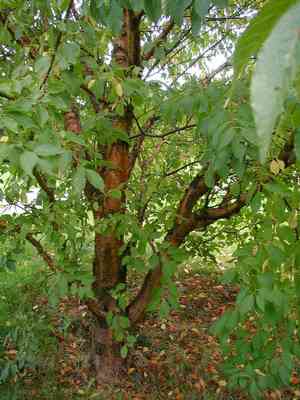
Hailing from East Asia, Prunus maackii is recognized for its appealing exfoliating bark and blossoms ranging from white to light pink. Essential trimming methods involve excising dead or ailing limbs, sculpting for a visually appealing structure, and reducing the density of the crown to improve light access and air movement. Trimming ought to be performed in late winter or early spring when the plant is inactive, to reduce the outflow of sap and the risk of pathogen infiltration. Consistent pruning boosts the plant's vitality and bloom production, while averting problems such as excessive density and insect infestations.
What Are the Benefits of Pruning Amur Chokecherry?
What Are the Benefits of Pruning Amur Chokecherry?
Trimming amur chokecherry promotes vigorous development and preserves its structure. Strategic cuts enhance light penetration and air flow, boosting vitality and form retention. This species-specific upkeep ensures a balanced canopy and supports longevity.
What Is the Best Time for Pruning Amur Chokecherry?
What Is the Best Time for Pruning Amur Chokecherry?
Late winter to early spring is considered the optimal period for pruning amur chokecherry, as it precedes the new growth cycle. Pruning at this time ensures rapid healing of cuts with the onset of new growth, and minimizes the risk of exposing fresh wounds to harsh winter conditions that can cause damage or disease. Furthermore, since amur chokecherry is dormant in late winter, there is less stress on the plant, and the absence of leaves allows for better visualization of its structure. Additionally, pruning before the spring growth flush helps the plant direct its energy into producing robust new growth, while shaping the plant and removing any damaged or diseased branches. By avoiding pruning during the flowering or fruiting periods, the plant's aesthetic and fruit production are not compromised.
What Tools Do I Need to Prune Amur Chokecherry?
Hand Pruners
Perfect for precise cuts on amur chokecherry's smaller branches, typically up to 0.5 inches in diameter, facilitating healthy regrowth and shaping.
Loppers
Suitable for cutting slightly larger branches of amur chokecherry, usually up to 1.5 inches thick. Their extended handles provide leverage for clean cuts without harming the plant.
Pruning Saw
Ideal for branches exceeding 1.5 inches in diameter that hand pruners and loppers cannot manage, ensuring clean cuts on amur chokecherry without tearing the bark.
Pole Pruner
Useful for reaching higher branches of amur chokecherry without needing a ladder, which enhances safety and ensures proper maintenance of the tree's canopy.
Hedge Shears
Optional for shaping amur chokecherry if it's being maintained as a hedge; not typically used for detailed pruning or removal of large branches.
Pruning Gloves
To safeguard hands from thorns and rough bark while pruning amur chokecherry. Safety is important to prevent scratches and other injuries.
Sharpener
Keeping tools sharp ensures clean cuts that heal quickly on amur chokecherry, reducing the risk of disease and pest infestation.
How to Prune Amur Chokecherry
Sanitize
Before pruning amur chokecherry, sterilize the pruning tools with a solution of one part bleach to nine parts water to prevent disease spread.
Removedeadbranches
Identify and carefully remove any dead branches from amur chokecherry using clean pruning shears, cutting at a point just outside the branch collar to foster proper wound healing.
Cutdiseasedlimbs
Locate any diseased limbs on amur chokecherry and prune them back to healthy wood, ensuring you cut well below the affected area to remove all diseased tissue.
Disinfecttools
After each cut of diseased wood, re-sanitize the pruning tools to prevent the spread of pathogens to other parts of amur chokecherry or to other plants in the garden.
Cleanup
Once pruning is complete, clean up all fallen debris around amur chokecherry and dispose of it properly to reduce the likelihood of disease occurrence in the future.
Common Pruning Mistakes with Amur Chokecherry
Overzealous Cutting
One of the mistakes is removing too much foliage at once, which can stress amur chokecherry and impede its ability to photosynthesize effectively. It's essential to never remove more than a third of the plant's overall volume during a pruning session.
Improper Cutting Technique
Using incorrect cutting methods can result in jagged or torn branches, which can lead to disease and pests. Clean, angled cuts just above bud unions or branch collars help amur chokecherry heal faster and promote healthy growth.
Ignoring Dead Or Diseased Wood
Failure to remove dead or diseased wood can invite pests and decay that might spread throughout amur chokecherry. Regular monitoring and removal of such wood helps maintain plant health.
Topping
Cutting off the top of the plant, or 'topping,' can ruin amur chokecherry's natural shape, promote weak new growth, and cause sunburn on previously shaded branches and trunks.
Flush Cutting
Cutting too close to the trunk or main branches, known as 'flush cutting', can create large wounds that are slow to heal and may lead to disease on amur chokecherry.
Common Pruning Tips for Amur Chokecherry
Clean, Sharp Tools
Using sanitized and sharp pruning shears helps make clean cuts that heal quickly and decrease the chance of transmitting diseases to amur chokecherry.
Selective Thinning
Thinning out crowded branches by removing some to the base encourages air circulation and light penetration, which can result in a healthier and more robust amur chokecherry.
Shape Maintenance
Pruning should maintain the natural shape of amur chokecherry while removing crossing or rubbing branches that could damage the bark and introduce disease.
Rejuvenation Pruning
For older specimens that have become overgrown or sparse, rejuvenation pruning may be necessary. This involves cutting back a significant portion of the branches over several years to encourage fresh growth.
Healing Time
Providing amur chokecherry enough time to heal before adverse weather conditions, like extreme cold or heat, is crucial to prevent stress and damage to the pruning sites.



