How to Prune Sour cherry?
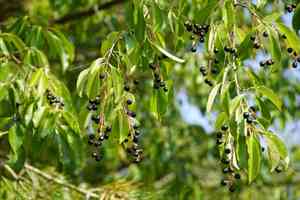
A deciduous tree recognized for its acidic, drupe fruits, sour cherry flourishes with consistent trimming to enhance its vitality and output. Key methods involve reducing crowded limbs and eliminating deceased or ailing wood. Pruning ought to be performed in late winter to encourage robust spring development. Specifically for sour cherry, this timing averts pathogen entry through incisions, guaranteeing improved air movement and sun exposure, which is crucial for fruit excellence and harvest.
What Are the Benefits of Pruning Sour Cherry?
What Are the Benefits of Pruning Sour Cherry?
Trimming sour cherry promotes larger fruit, fosters a strong structure with dense foliage, and maintains a desirable, manageable form. These practices enhance sunlight exposure and air movement, thereby reducing disease vulnerability and pest infestations, while encouraging vigorous development.
What Is the Best Time for Pruning Sour Cherry?
What Is the Best Time for Pruning Sour Cherry?
Late winter pruning is ideal for sour cherry as it allows wounds to heal quickly with the onset of new growth, minimizing disease exposure. It also avoids undue stress on sour cherry during its active growth and fruiting phases. Furthermore, the bare branches of sour cherry in winter provide a clear view of the plant's structure, enabling precise cuts and removal of dead or diseased wood without impeding its preparation for spring blossoms and fruit.
What Tools Do I Need to Prune Sour Cherry?
Hand Pruners
Excellent for making precise cuts on sour cherry's smaller branches, typically up to ¾ inches in diameter. Perfect for shaping and removing dead or diseased wood without causing unnecessary stress to the plant.
Lopping Shears
These are effective for cutting through sour cherry's thicker branches, usually between ¾ inches and 2 inches in diameter. Their extended handles offer improved leverage and reach.
Pruning Saw
For branches exceeding 2 inches in diameter, a pruning saw is essential for cleanly cutting through the sour cherry's wood without harming surrounding branches.
Pole Pruner
Sour cherry trees can grow quite tall; a pole pruner enables gardeners to safely trim higher branches without needing a ladder, reducing injury risk.
Gloves
Crucial for protecting hands from scratches and cuts while pruning sour cherry. They also provide a better grip on the tools.
How to Prune Sour Cherry
Step1: Optimal Pruning Time Selection
Select the appropriate time for pruning sour cherry, typically in late winter or early spring while the plant is dormant, to encourage robust growth and increase fruit yield. Avoid autumn pruning as new growth won't harden before winter.
Step2: Pruning Tool Preparation and Disinfection
Prepare clean, sharp pruning tools to prevent disease spread. Sanitize your pruning shears or saw with a solution of 1 part bleach to 9 parts water.
Step3: Diseased and Damaged Wood Removal
Begin by removing all diseased and damaged wood to improve the health of sour cherry. Make cuts at a 45-degree angle about 1/4 inch above an outward-facing bud or healthy branch junction.
Step4: Vertical Shoot and Overgrowth Removal
Identify overgrown shoots, especially those growing vertically, which do not produce fruit, and remove them to enhance light penetration and air circulation within the canopy.
Step5: Old Non-Fruiting Wood Pruning
Trim old wood that has not produced fruit in several years. These are typically thicker branches with a rough texture and darker color. Cut them back to a main limb or the trunk to stimulate new fruitful growth.
Step6: Withered Branch Trimming
Locate withered branches that may not bear fruitful buds and trim them back to the nearest healthy branch or bud to redirect nutrients to more viable parts of the plant.
Step7: Yellow Leaf and Twig Removal
Remove yellow leaves along with any small twigs or branches they're attached to if they show signs of nutrient deficiency or disease. This will help prevent further disease spread and stimulate stronger growth.
Step8: Interior Branch Thinning for Light and Air
Thin out the plant's center by removing some interior branches to increase light and air flow, which is crucial for fruit development and reducing disease pressure.
Step9: Plant Shaping for Balanced Growth
After major cuts, shape sour cherry for balanced growth, keeping the base wider than the top so that sunlight reaches the lower branches. Maintain the natural vase shape typical for sour cherry.
Step10: Sucker Growth Removal
Finalize pruning by removing any suckers growing from the plant's base or roots, as these can draw energy away from the productive parts of sour cherry.
Step11: Post-Pruning Tool Care
After finishing pruning, clean and disinfect all tools used to avoid spreading potential diseases to other plants, and dispose of all removed plant material appropriately.
Step12: Monitoring Plant Health Post-Pruning
Monitor sour cherry after pruning for signs of stress or disease and provide appropriate care such as watering and fertilizing to support strong growth throughout the growing season.
Post-Pruning Care for Sour Cherry
Post-Pruning Care for Sour Cherry
Immediately after pruning sour cherry, water the soil to aid healing. Position sour cherry to ensure adequate, but not excessive, sunlight, maintaining mild temperatures and moderate humidity. Fertilize with a balanced feed to assist recovery. Regularly inspect sour cherry for wilting or lesions, indicating stress or disease. If symptoms appear, promptly treat with appropriate fungicides or pest control measures, consulting an expert if needed.
Common Pruning Mistakes with Sour Cherry
Over-pruning can stress plants
Pruning excessively at once, which can stress sour cherry and lead to poor growth or reduced fruit yield.
Avoid cutting old non-productive wood
Cutting into old wood that no longer produces new shoots, which might harm the plant because sour cherry primarily fruits on younger wood.
Tools must be disinfected to prevent disease
Not disinfecting pruning tools between uses, increasing the risk of spreading diseases to sour cherry.
Leaving stubs invites pests and disease
Leaving stubs after cutting branches, which can serve as entry points for pests and diseases.
Respect plant's natural growth in pruning
Disregarding the plant's natural shape and growth habit during pruning, which can result in a less aesthetically pleasing and healthy sour cherry.
Common Pruning Tips for Sour Cherry
Disinfect tools to protect plant health
Sanitize pruning tools before and after use to prevent disease transmission to sour cherry.
Clean cuts at 45 degrees for regrowth
Make clean cuts at a 45-degree angle, about a quarter inch above a bud, to promote healthy regrowth and prevent water accumulation on the cut surface.
Remove dead or diseased wood first
Prioritize removing dead, damaged, or diseased wood to maintain the health of sour cherry.
Thin for better air flow and sunlight
Thin out the plant's center to improve air circulation and sunlight penetration, which is essential for fruit production and disease prevention in sour cherry.
Encourage open growth by pruning to outward bud
Cut back small twigs or branches to a healthy outward-facing bud to encourage an open, vase-like shape characteristic of a well-pruned sour cherry.
Preserve last year's growth for fruiting
Retain some of last year's growth, as sour cherry predominantly fruits on wood produced in the previous season.



