How to Prune King protea?
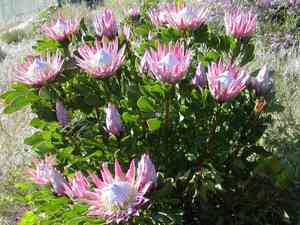
Originating from South Africa, king protea is recognized by its substantial, cup-shaped blossoms and tough foliage. Trimming ought to concentrate on eliminating spent flowers and compromised development. This is ideally performed subsequent to blooming in late spring or early summer to encourage fresh development. Trim back to a robust set of leaves, being cautious not to harm nascent buds. Pruning king protea fosters revitalization, preserves its form, and encourages more sizable flowers for the subsequent period.
What Are the Benefits of Pruning King Protea?
What Are the Benefits of Pruning King Protea?
Trimming king protea promotes larger, more vivid flowers and helps control pests and diseases, ensuring a strong, healthier specimen.
What Is the Best Time for Pruning King Protea?
What Is the Best Time for Pruning King Protea?
Trimming king protea in late spring and early summer coincides with its post-flowering period. This timing allows for the removal of faded blooms and stimulates new development. Pruning after the flowering cycle aids in maintaining the plant's health and vigor, as it can redirect energy towards new bud formation and overall revitalization without sacrificing the subsequent season's flowers. Additionally, these seasons typically offer milder weather, which supports rapid healing of pruning wounds, reducing the risk of disease or pest infestation.
What Tools Do I Need to Prune King Protea?
Hand Pruners
Crucial for making precise cuts on smaller, woody stems of king protea. Bypass pruners are recommended for their clean cuts, which encourage healthy regrowth and minimize tissue damage.
Loppers
Perfect for cutting through thicker branches too large for hand pruners. Their long handles provide leverage for cleaner, easier cuts without straining the user.
Pruning Saw
Essential for larger, woody stems and branches where hand pruners and loppers are insufficient. A sharp, curved blade saw allows for efficient cutting of thick branches without undue stress to king protea.
Gloves
Protective gloves should be worn to prevent injury from the rigid leaves and stems of king protea, ensuring safety during pruning.
Disinfectant
Used to sanitize pruning tools before and after use to prevent the spread of disease among king protea or other plants. A bleach or alcohol solution can be used for tool disinfection.
Shears
For trimming and shaping the foliage and smaller stems of king protea that do not require the force of loppers or saws. They are useful for maintaining plant shape and encouraging bushier growth.
How to Prune King Protea
Step1: Tool Sterilization
Sanitize your pruning tools before beginning the pruning process to prevent the spread of diseases to king protea.
Step2: Pre-Pruning Hydration
Water king protea a day prior to pruning to ensure it is hydrated, which aids in more effective recovery from pruning stress.
Step3: Dead Flower Removal
Begin by removing dead flowers. Identify the spent bloom stalks and cut them off at the base using sharp, clean secateurs or pruning shears.
Step4: Damaged Leaf Trimming
Inspect king protea for damaged leaves. Look for signs of disease, pests, or physical harm. Using your tools, make clean cuts to remove these leaves, cutting as close to the stem as possible without harming it.
Step5: Spent Bloom Cutting
After dead flowers and damaged leaves have been removed, focus on spent blooms. Locate the spent blooms, which are flowers that have completed their life cycle. Cut the stem of spent blooms at a point just above the foliage or above a strong node, where new growth is likely to occur.
Step6: Plant Shaping
Shape king protea if necessary by trimming any excessively long or awkwardly growing stems. Aim to maintain a natural form and avoid over-pruning, which can stress the plant.
Step7: Pruning Debris Disposal
Properly dispose of all cuttings, as they can harbor pests or diseases.
Step8: Post-Pruning Tool Cleaning
After pruning, clean your tools again to remove any plant sap or residue that could spread diseases to other plants.
Step9: Post-Pruning Monitoring
Monitor king protea after pruning for signs of stress or disease, and ensure it is well-watered and receives appropriate care as it recovers.
Post-Pruning Care for King Protea
Post-Pruning Care for King Protea
After trimming king protea, immediately ensure clean cuts to prevent disease. Provide bright, indirect light and maintain moderate humidity; avoid drastic temperature changes. Post-pruning, apply a balanced, slow-release fertilizer to replenish nutrients. Monitor king protea for wilting or discolored leaves indicating stress or infection. If signs occur, reassess water, light, and inspect for pests, applying appropriate treatments.
Common Pruning Mistakes with King Protea
Improper Tool Use Damages Stems
Using dull or unsanitized tools, which can harm the stems of king protea or introduce diseases.
Incorrect Cutting Harms Plant or Leaves Stubs
Cutting too close or too far from the stem's base, which can either injure the main plant or leave unsightly stubs that heal poorly.
Over-pruning Stresses and Weakens Plant
Removing too much at once, which can stress king protea and lead to poor plant health or reduced flowering.
Rough Cuts from Tearing Stem Injure Plant
Tearing the stems instead of making clean cuts, which can cause unnecessary injury to the plant.
Neglecting Diseased Growth Impedes Plant Health
Ignoring diseased or damaged growth, which can hinder king protea's overall health and vitality.
Common Pruning Tips for King Protea
Sharp, Sterilized Tools for Healthy Cuts
Ensure tools are sharp and sterilized before pruning to make clean cuts and prevent the spread of diseases.
Correct Bloom Pruning Promotes New Growth
Prune spent blooms by cutting the stem just above the first set of healthy leaves, encouraging king protea to produce new growth.
Selective Pruning Enhances Shape and Health
Maintain the natural shape of king protea by selectively removing stems, which helps to encourage air circulation and light penetration.
Remove Bad Growth to Maintain Plant Health
Remove any dead, damaged, or diseased growth as soon as it is noticed to promote king protea's health and prevent issues from spreading.
Thinning Dense Center Prevents Fungal Issues
Thin out the center of the plant if it becomes too dense, to improve air flow and reduce the risk of fungal diseases.



