How to Prune Alpine cinquefoil?
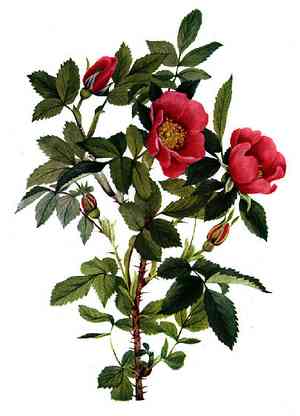
A herbaceous perennial, alpine cinquefoil flourishes with little upkeep. It is most effectively trimmed in spring or early summer after its blooming period to stimulate fresh development; alpine cinquefoil also tolerates minor autumn pruning. Removing spent flowers encourages additional blossoms and inhibits self-propagation. Eliminate lifeless or frail stalks to enhance air movement, discourage ailments, and preserve its form. Trimming is beneficial for revitalization and controlling expansion, thereby contributing to the vigor and aesthetic charm of alpine cinquefoil.
What Are the Benefits of Pruning Alpine Cinquefoil?
What Are the Benefits of Pruning Alpine Cinquefoil?
Trimming alpine cinquefoil promotes abundant flowering, stimulates robust development, and maintains a tidy look, crucial for the plant's health and beauty.
What Is the Best Time for Pruning Alpine Cinquefoil?
What Is the Best Time for Pruning Alpine Cinquefoil?
During Spring, alpine cinquefoil begins new growth, making it an ideal period to sculpt the plant and remove any dead or damaged branches from winter. This fosters healthy new development. Early Summer pruning helps thin out dense areas to boost air circulation, aiding in disease prevention. It's also a good time to prune right after flowering if alpine cinquefoil is a blooming variety. Doing so can encourage a second flush of blooms and keep the plant from becoming too woody. Fall pruning should be done carefully to avoid stimulating new growth that could be damaged by upcoming cold temperatures. Its main purpose is to remove any diseased or dead material that might harbor pests over winter.
What Tools Do I Need to Prune Alpine Cinquefoil?
Hand Pruners
Perfect for making clean cuts on stems and smaller branches, which is vital for alpine cinquefoil's health. Choose bypass pruners for their scissor-like action, providing a cleaner cut than anvil-style, generally better for living plants.
Pruning Shears
Suitable for shaping the plant and managing its size. These can be used for deadheading and removing any diseased or damaged foliage.
Gardening Gloves
Not a cutting tool but essential for protecting the gardener's hands from thorns and rough plant material during the pruning process.
Pruning Saw
For larger, woodier stems that hand pruners cannot manage, a small, sharp pruning saw is recommended.
How to Prune Alpine Cinquefoil
Remove diseased parts
Identify and eliminate any diseased leaves from alpine cinquefoil to stop infection spread. Use clean, sharp scissors or secateurs, cutting close to the leaf base to avoid stubs that can harbor pests or diseases.
Clear dead material
Trim away withered leaves and spent flowers from alpine cinquefoil. Carefully snip them at the leaf stem's base or just above the nearest healthy bud to encourage new growth and improve air circulation.
Shape plant
Assess alpine cinquefoil's overall form and selectively trim overgrown branches. Aim for a balanced, natural shape that maintains the plant's compact form, being careful not to remove more than one-third of the plant at once.
Disinfect tools
After pruning, sanitize all tools with a solution of 1 part bleach to 9 parts water or rubbing alcohol to prevent contaminating other plants with potential pathogens.
Cleanup
Collect and dispose of all pruned material away from the garden area to reduce disease risk. Ensure alpine cinquefoil's base is clear of debris which may attract pests or cause rot.
Common Pruning Mistakes with Alpine Cinquefoil
Overpruning
Gardeners, especially novices, might cut back alpine cinquefoil too severely. This can shock the plant, reduce blooms, and potentially result in a weakened or misshapen specimen.
Improper tools
Using dull or dirty pruning tools can harm alpine cinquefoil's stems and introduce disease. It is crucial to use clean, sharp tools for precise cuts.
Neglecting deadheading
Failing to remove spent flowers on alpine cinquefoil leads to wasted energy on seed production when it could be directed towards new growth or more blooms.
Ignoring plant shape
Cutting alpine cinquefoil without considering its natural form can result in an unnatural appearance and diminished vigor. Each cut should be made with the plant's overall shape in mind.
Incorrect cutting technique
Snipping too close or too far from alpine cinquefoil's buds can harm the plant. Cuts should be made at a 45-degree angle just above outward-facing buds to promote proper growth.
Common Pruning Tips for Alpine Cinquefoil
Deadheading
Regularly removing spent flowers from alpine cinquefoil will encourage more blooms throughout the season and prevent the plant from expending energy on seed production.
Thinning out
Remove some of alpine cinquefoil's older branches at their base to enhance air circulation and sunlight penetration, which helps prevent diseases and encourages stronger growth.
Maintenance pruning
Lightly trim alpine cinquefoil to maintain its shape and remove any stray or awkwardly growing stems, ensuring cuts are made just above a leaf node or bud.
Selective pruning
Instead of indiscriminately shearing alpine cinquefoil, choose individual stems to cut back to a healthy bud or node. This method helps preserve the plant's natural shape.
Sanitize tools
Before and after pruning alpine cinquefoil, disinfect pruning tools with a solution like alcohol or bleach to prevent the spread of disease among plants.



