How to Prune Chinese white poplar?
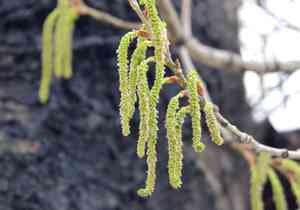
This fast-growing, broad-leaved, white-felted deciduous tree greatly benefits from trimming to preserve its form and vitality. The most effective time for pruning is in late winter to early spring, prior to the emergence of new foliage. Reducing dense branches and eliminating damaged or ailing limbs facilitates light exposure and air movement. Consistent pruning also fosters the creation of a robust scaffold and can elevate the tree's aesthetic appeal.
What Are the Benefits of Pruning Chinese White Poplar?
What Are the Benefits of Pruning Chinese White Poplar?
Trimming chinese white poplar encourages robust development and helps maintain its desired form. Regular trimming ensures strong branches and an attractive shape, supporting optimal growth and plant structure.
What Is the Best Time for Pruning Chinese White Poplar?
What Is the Best Time for Pruning Chinese White Poplar?
Late winter and early spring are considered optimal for pruning chinese white poplar because these periods coincide with the plant's dormant phase. During this time, chinese white poplar experiences reduced sap flow, minimizing bleeding from cuts and thereby lowering stress and disease risk. Pruning before new growth emerges allows the plant to channel energy into developing fresh shoots and branches, leading to a healthier, more vigorous structure. Additionally, the absence of leaves improves visibility for precise cuts, ensuring better shaping and promoting faster wound recovery. It also avoids interfering with flowering or fruiting cycles that occur later in the growing season.
What Tools Do I Need to Prune Chinese White Poplar?
Bypass Pruners
Perfect for cutting small to medium branches of chinese white poplar, ensuring clean cuts that encourage healthy regrowth.
Loppers
Essential for reaching higher branches and cutting thicker stems that bypass pruners cannot handle, typically up to two inches in diameter.
Pruning Saw
Intended for the largest branches of chinese white poplar, where loppers are insufficient. The saw enables precise cuts on branches exceeding two inches in diameter.
Pole Pruner
Useful for high branches out of reach from the ground, eliminating the need for a ladder, thus ensuring safety and convenience when pruning chinese white poplar.
Pruning Shears
Suitable for shaping and managing new growth with accuracy, especially helpful in maintaining the aesthetic form of chinese white poplar.
How to Prune Chinese White Poplar
Sterilize
Before pruning chinese white poplar, disinfect all tools with a solution of one part bleach to nine parts water to prevent disease spread.
Inspect
Carefully examine chinese white poplar, identifying dead or diseased branches by their discolored, peeling bark or any signs of fungal growth or infestation.
Cut
Use sharp, clean shears to make precise cuts on dead or diseased branches. Cut at a 45-degree angle just above a live bud or secondary branch, ensuring a smooth wound that heals quickly without water accumulation.
Dispose
Remove cut branches from the vicinity of chinese white poplar to prevent potential spread of disease and pests from the removed tissues.
Seal
Seal cuts on chinese white poplar with tree wound dressing or pruning paint to protect against disease and insect invasion.
Common Pruning Mistakes with Chinese White Poplar
Over-pruning
Removing excessive foliage from chinese white poplar, which may weaken or hinder its growth.
Improper cutting
Making imprecise or jagged cuts which could harm chinese white poplar and increase its susceptibility to disease.
Neglecting tool maintenance
Using dull or dirty pruning tools that can damage chinese white poplar's branches and lead to infection.
Disregarding tree structure
Failing to consider the natural shape of chinese white poplar could result in an unbalanced appearance and poor growth patterns.
Pruning healthy growth
Trimming away healthy branches and shoots, which is unnecessary and may reduce the overall vigor of chinese white poplar.
Common Pruning Tips for Chinese White Poplar
Clean cuts
Ensure the use of sharp, clean pruning shears for clean cuts that heal quickly on chinese white poplar.
Identify damaged limbs
Focus on removing dead, damaged, or diseased branches from chinese white poplar to encourage healthier growth.
Consider growth pattern
Understand chinese white poplar's growth pattern before making cuts to enhance its natural form without over-pruning.
Judicious thinning
Thin out dense areas of chinese white poplar's canopy to allow light and air into the tree's interior, promoting robust health.
Branch collar care
Prune just beyond the branch collar without damaging it, as this area of chinese white poplar is crucial for proper healing and regrowth.



