How to Prune Terebinth tree?
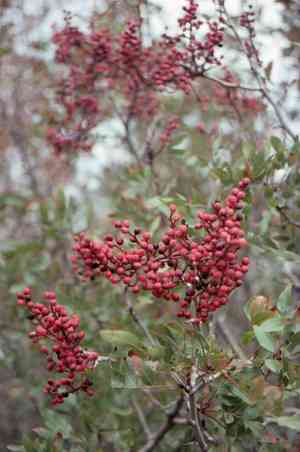
This plant, indigenous to the Mediterranean region, flourishes in dry environments and is prized for both its decorative and therapeutic qualities. For terebinth tree, trimming ought to concentrate on excising lifeless or ailing branches, reducing density to enhance airflow, and sculpting for visual appeal. Perform pruning on terebinth tree in the latter part of winter, prior to the emergence of new shoots. This schedule enables terebinth tree to mend rapidly and fosters robust spring growth. Consistent trimming aids in preserving the plant's well-being, stimulates fruit yield, and extends its longevity.
What Are the Benefits of Pruning Terebinth Tree?
What Are the Benefits of Pruning Terebinth Tree?
Trimming terebinth tree encourages a larger yield by directing energy towards flower and fruit development. It promotes more vigorous plant growth, establishing a stronger framework. Regular trimming also helps maintain its desired form and size, enhancing the tree's visual appeal.
What Is the Best Time for Pruning Terebinth Tree?
What Is the Best Time for Pruning Terebinth Tree?
Pruning terebinth tree in late winter is beneficial because the plant is inactive during this period. This timing prevents sap loss and reduces the risk of fungal infections or pest infestations, as open wounds heal more quickly. Furthermore, the absence of leaves during the plant's dormant phase provides clearer visibility of its structure, allowing for more accurate cuts. Additionally, pruning before spring growth begins stimulates revitalization, leading to a healthier and more robust terebinth tree during the growing season as energy is redirected to new growth. It also minimizes the impact on flowering since terebinth tree typically flowers on new growth that emerges after pruning. Considering these factors, late winter is the most advantageous season for pruning terebinth tree to improve its health and vitality.
What Tools Do I Need to Prune Terebinth Tree?
Hand Pruners
Perfect for cutting slender branches and twigs of terebinth tree, typically up to ¾ inches in diameter. Ergonomic bypass pruners ensure clean cuts and are suitable for shaping the tree and removing small, dead, or diseased branches.
Lopping Shears
These are appropriate for branches between 1½ to 2 inches in diameter, commonly found on young and developing terebinth tree specimens. They offer leverage and have long handles to reach higher branches without needing a ladder.
Pruning Saws
For mature terebinth tree with thicker branches exceeding 2 inches in diameter, a pruning saw with a curved blade is recommended for making clean cuts on large branches. Always use saws with sharp teeth to prevent bark tearing and ensure smooth healing.
Pole Pruners or Pole Saws
When terebinth tree has grown tall and its canopy is out of reach, pole pruners and saws enable safe pruning of higher branches without using a ladder. Choose a pole pruner with a bypass cutting blade and saw attachment for versatility.
Hedge Shears
Not advised for terebinth tree as they are generally used for shaping hedges and may damage the larger, woody stems of terebinth tree. Instead, use the aforementioned tools suited to specific branch sizes.
Safety Equipment
Always wear protective gloves, safety goggles, and a hard hat when pruning terebinth tree to prevent injuries from falling branches and debris. Safety should be a top priority.
How to Prune Terebinth Tree
Clean And Sharpen Tools
Start by cleaning and sharpening your pruning tools to ensure precise cuts that will help terebinth tree heal faster and reduce the risk of spreading diseases.
Inspect And Assess
Carefully examine terebinth tree to identify dead or diseased branches. Look for branches that lack leaves, are discolored, or show signs of infection such as cankers or unusual growths.
Prune Dead Branches
Using sharp shears, prune dead branches at the point where they meet healthy wood, making cuts at a downward angle to allow water to drain and prevent disease infiltration.
Remove Diseased Branches
Cut away diseased branches well below the affected areas to prevent the spread of disease. Sterilize your cutting tools after each cut by wiping them with a solution of bleach or alcohol to eliminate potential pathogens.
Sanitation And Disposal
Clean up all pruned material and dispose of it properly to prevent the possibility of disease lingering in the area around terebinth tree. Do not add diseased material to your compost pile as it could infect other plants.
Common Pruning Mistakes with Terebinth Tree
Over Pruning
Removing too much of terebinth tree in a single pruning session can stress the tree and lead to weak growth or a decline in its overall health.
Improper Cut Placement
Making cuts too close to the trunk can damage the branch collar, leading to improper healing and potential disease entry. Conversely, leaving a stub can also hinder healing and encourage rot.
Tearing Bark
When pruning larger branches of terebinth tree, there is a risk of tearing the bark if proper undercutting techniques aren't used, which can lead to long-term damage.
Tool Misuse
Using dull or dirty pruning tools can create jagged cuts that are more prone to infection and do not heal cleanly.
Neglecting Disease Management
Failing to remove all diseased or pest-infested parts of terebinth tree can lead to further spread to healthy parts of the tree.
Wrong Pruning Angle
Cutting branches at an incorrect angle can prevent water from properly draining off the cut surface, which can lead to decay.
Common Pruning Tips for Terebinth Tree
Sanitize Tools
Clean pruning tools before and after use to prevent the spread of disease to or from terebinth tree.
Three Cut Method
For larger branches, use the three-cut method to prevent bark tearing. This includes a notch cut on the underside of the branch, a relief cut further out, and a final cut at the branch collar.
Cut At The Branch Collar
Make clean cuts at the branch collar, ensuring not to cut into it but also not to leave a large stub, to promote fast healing.
Selective Pruning
Choose which branches to prune selectively, focusing on removing dead, diseased, or crossing branches to improve air circulation and light penetration.
Gradual Pruning
Gradually prune overgrown terebinth tree over multiple seasons to prevent shock, rather than doing it all at once.
Sharp Tools
Use sharp, well-maintained pruning tools to make precise cuts, which help terebinth tree to heal faster and more effectively.
Wound Dressing Avoidance
Refrain from using wound dressing on pruning cuts, as it can inhibit healing and can be more harmful than beneficial for terebinth tree.
Thin From Within
Thin out some of the inner branches to allow more light and air circulation through the canopy, benefitting the overall health and vigor of terebinth tree.



