How to Prune Wild pepper?
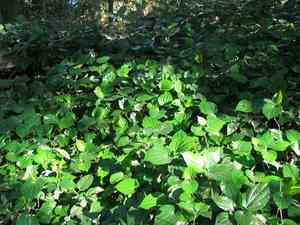
A shade-preferring groundcover featuring cordate foliage, wild pepper thrives with consistent trimming to sustain its vitality and form. Essential methods encompass nipping back terminal buds to foster a denser habit and excising any elongated or ailing stalks. The most effective time for trimming is in late winter or early spring to stimulate fresh development. Particular attention for wild pepper includes sterilizing implements to avert pathogen dissemination. Trimming improves air circulation and illumination, which are vital for wild pepper's thick canopy.
Advantages of Trimming Wild Pepper
Advantages of Trimming Wild Pepper
Trimming wild pepper can boost harvest yields by promoting more fruitful development. Consistent shaping aids in maintaining an ideal form, facilitating better air movement and light exposure, which contributes to a more robust plant. Pruning is vital for managing size and fostering overall plant well-being.
Optimal Time for Pruning Wild Pepper
Optimal Time for Pruning Wild Pepper
Late winter or early spring is considered the prime period for pruning wild pepper. These seasons align with the plant's dormant phase just before the surge of growth observed in spring. Pruning during dormancy minimizes stress on wild pepper, as the plant isn't actively allocating resources to foliage, blooms, or fruit. Furthermore, the plant's structure is more visible without leaves, allowing for more accurate cuts. Pruning in late winter or early spring stimulates vigorous new growth and helps preserve the plant's intended shape. It also enables the removal of any damaged or diseased sections before the plant invests energy in new growth, thereby enhancing overall vitality and output. It's crucial to avoid pruning in late spring and summer when wild pepper is most actively growing, as this will disrupt its growth cycle and potentially diminish the yield of harvestable leaves.
Necessary Tools for Pruning Wild Pepper
Hand Pruners
Perfect for making clean cuts on wild pepper's softer stems, ensuring minimal harm to the plant.
Pruning Shears
Ideal for shaping wild pepper and managing its sprawling habit by clipping small stems and leaves.
Gardening Gloves
Protects hands when handling wild pepper, which might have dense growth, requiring reaching into the plant.
Sharp Knife
Useful for harvesting wild pepper or making precise cuts on thin stems, which encourages better healing.
Cleaning Solution
Crucial for sanitizing tools before and after use to prevent disease transmission when pruning wild pepper.
Pruning Saw
Not typically needed, but can be used for older, woodier stems of wild pepper that have become too thick for hand pruners.
How to Prune Wild Pepper
Sanitize Tools
Before beginning the pruning process, clean and disinfect all cutting implements to prevent the spread of disease. Use a solution of one part bleach to nine parts water or rubbing alcohol to sterilize the blades.
Remove Diseased Leaves
Carefully inspect wild pepper for diseased leaves. Gently remove any infected foliage by cutting at the base of the leaf stem, ensuring not to harm surrounding healthy tissue.
Eliminate Withered Leaves
Identify and prune any withered leaves from wild pepper, which may indicate old age or environmental stress. Clip them off close to the stem to encourage new growth and improve air circulation.
Cut Dead Branches
Locate dead branches on wild pepper, identifiable by their brittle nature and lack of green growth. Prune these branches at the point where they meet healthy tissue, but be careful not to cut into the healthy parts of the plant.
Trim Diseased Branches
Examine wild pepper for branches showing signs of diseaseâdiscolored, soft, or oozing areas. Prune these branches well below the affected parts to ensure all diseased tissue is removed. Seal the cuts with pruning paste if necessary to protect wild pepper from infection.
Common Pruning Errors with Wild Pepper
Excessive Pruning
Removing too much foliage can stress wild pepper, leading to reduced vigor and potentially harming the plant.
Using Dull Tools
Dull pruning tools can cause jagged cuts that are more susceptible to disease and may damage wild pepper's stems.
Pruning Healthy Growth
Cutting away healthy growth instead of just removing dead or diseased stems can limit wild pepper's productivity.
Ignoring Disease Prevention
Failing to sterilize tools between cuts can spread disease throughout wild pepper and to other plants.
Pruning Without Plan
Pruning wild pepper without a clear goal can lead to a lack of shape and uneven growth.
Neglecting Hygiene
Not cleaning up fallen leaves and debris after pruning can attract pests and diseases to wild pepper.
General Pruning Advice for Wild Pepper
Sharp Clean Tools
Use sharp, clean tools to make precise cuts that heal quickly, minimizing stress on wild pepper.
Focus On Dead Diseased
Concentrate on removing dead or diseased areas to improve air circulation and overall plant health.
Pruning Angle
Cut at a 45-degree angle just above a node or leaf axil to encourage wild pepper to produce new, healthy growth.
Thin Out Crowded Areas
Thin out crowded areas to increase light penetration and airflow, which is vital for wild pepper's health.
Maintain Shape
Regularly trim wild pepper to maintain its desired shape and size while allowing for structured growth.
Aftercare
Provide wild pepper with adequate water and possibly a balanced fertilizer after pruning to support recovery and new growth.



