How to Prune Betel?
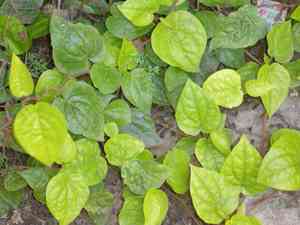
Renowned for its cordate leaves and pungent fragrance, betel flourishes with consistent trimming to preserve its form and foster abundant greenery. The most suitable time for pruning is during the winter season when the plant is inactive. For peak maintenance, eliminate any lifeless or ailing stems and routinely shorten excessively long branches to enhance air movement and light exposure. Trimming not only invigorates development but also contributes significantly to the plant's capacity to generate its distinctive leaves, which are prized for diverse cultural applications.
What Are the Benefits of Pruning Betel?
What Are the Benefits of Pruning Betel?
Trimming betel promotes robust development by eliminating overgrown or lifeless sections, ensuring improved light penetration and air movement. Regular shaping of betel helps preserve its appearance, preventing it from becoming unruly.
What Is the Best Time for Pruning Betel?
What Is the Best Time for Pruning Betel?
Late winter is considered the optimal period to prune betel, as it typically marks the conclusion of the dormant phase for many plants, including betel. Pruning at this time minimizes stress on betel since the plant is not yet actively producing new growth, allowing betel to recover swiftly and allocate its energy to new growth in the upcoming spring. Furthermore, the absence of leaves provides a clear view of the plantâs structure, facilitating informed pruning decisions. Pruning before the start of spring growth helps ensure quicker wound healing, reducing the risk of disease and pest infestation. Additionally, removing dead or damaged branches at this stage can lead to vigorous growth and a healthier plant during the growing season. It is crucial to avoid pruning betel during its active growth cycle, especially during flowering or fruiting periods, as this can disrupt these processes and potentially decrease yield.
What Tools Do I Need to Prune Betel?
Hand Pruners
Betel possesses relatively soft stems that can be easily trimmed with hand pruners. These instruments enable precise cuts and must be sharp to ensure a clean incision that prevents harm to the plant.
Bypass Pruners
Ideal for making clean cuts on live plant tissue, bypass pruners are effective for betel as they inflict less damage to the plant's delicate stems.
Pruning Shears
For shaping and maintaining the desired size of betel, pruning shears are efficient. Their scissor-like action provides a clean cut, which is vital for the plantâs well-being.
Gardening Scissors
For more intricate tasks, such as removing small or dead leaves from betel, gardening scissors can be utilized due to their precision and control.
How to Prune Betel
Sanitization
Before beginning to prune betel, cleanse your pruning tools with a bleach and water solution or alcohol to prevent the spread of diseases.
Removal of withered leaves
Carefully inspect betel and remove any withered leaves by gently plucking them off with your fingers or snipping them with pruning shears. This helps redirect betel's energy towards healthier development.
Removal of dead branches
Identify and cut back any dead branches on betel to their point of origin or to a main stem. Use clean, sharp pruning shears and ensure the cut is clean to support healthy regrowth.
Removal of diseased branches
Look for any indications of disease on betel's branches, such as unusual growth patterns, discoloration, or decay. Prune these branches back to healthy tissue, making sure to sterilize your tools between each cut to prevent disease transmission.
Thinning
Thin out congested areas of betel to improve air circulation, which can help prevent disease and allow light to reach inner leaves. Remove some non-essential branches by cutting them at their base or back to a lateral branch.
Common Pruning Mistakes with Betel
Overpruning
Removing too much foliage at once can stress betel, leading to poor growth and increased susceptibility to diseases.
Improper tool use
Using dull or unclean pruning tools can result in jagged cuts that are more prone to infection.
Tearing stems
Hasty or incorrect cuts can lead to tearing the stems of betel, which may cause damage to the main vine.
Neglecting to remove dead material
Failing to clear away dead or diseased leaves and stems can hinder betel's growth and overall health.
Indiscriminate cutting
Random or thoughtless cutting without understanding the growth pattern of betel can reduce yield and vitality.
Common Pruning Tips for Betel
Right tool
Always use sharp, clean pruning shears or scissors to make precise cuts without harming betel's delicate stems.
Selective trimming
Focus on selectively removing only the older, yellowing, or diseased leaves and overgrown stems to maintain plant health and shape.
Regular maintenance
Regularly inspect betel for dead or damaged material to remove, which helps promote new growth and improves airflow.
Cutting technique
Make angled cuts above leaf nodes to encourage bushier growth and to allow water to drain off the cut, reducing the risk of disease.
Post-pruning care
Provide betel with adequate water and potentially a light fertilizer after pruning to support recovery and new growth.



