How to Prune Himalayan pine?
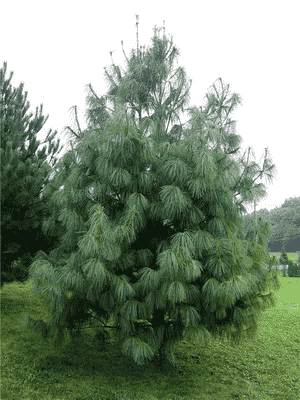
Originating from the Himalayas, this perennial conifer flourishes in colder environments and is recognized for its elongated, pendulous limbs. Trimming himalayan pine entails excising deceased or compromised timber and reducing crowded sections to uphold its inherent structure and foster robust development. Ideally executed in winter during its inactive phase, judicious pruning can improve air movement and diminish the likelihood of ailments. Refrain from extensive cutting to avert strain and safeguard its characteristic silhouette. Periodically prune to manage dimensions and stimulate lush, vivid greenery.
What Are the Benefits of Pruning Himalayan Pine?
What Are the Benefits of Pruning Himalayan Pine?
Trimming himalayan pine promotes robust development and preserves its form by eliminating dead wood and overgrown limbs, ensuring peak vitality and structural soundness.
What Is the Best Time for Pruning Himalayan Pine?
What Is the Best Time for Pruning Himalayan Pine?
Trimming himalayan pine in late winter to early spring is beneficial because the plant is typically dormant then, reducing stress and minimizing sap loss that can attract pests. Pruning before new growth begins allows cuts to heal quickly as the growing season starts, fostering healthier development and closing potential entry points for disease. Additionally, without leaves, the structure of himalayan pine is more visible, enabling more precise and effective pruning.
What Tools Do I Need to Prune Himalayan Pine?
Hand Pruners
Perfect for making clean cuts on smaller branches of himalayan pine, ensuring accurate control and minimal harm to the plant.
Lopping Shears
Essential for cutting through thicker branches, typically up to 1.5 inches in diameter, that hand pruners cannot manage. Suitable for himalayan pine's more substantial limbs.
Pruning Saw
Crucial for larger branches, providing the ability to make clean cuts without tearing the bark of himalayan pine, which is vital for the plant's health and recovery.
Pole Pruner
Himalayan pine can reach considerable heights. Pole pruners enable gardeners to access and trim higher branches without needing a ladder.
Safety Equipment
Includes gloves and protective glasses. Gloves shield hands from resin and rough bark, while glasses protect eyes from falling debris during the pruning of himalayan pine.
How to Prune Himalayan Pine
Sanitation
Before pruning himalayan pine, disinfect all pruning tools with alcohol or a household cleaner to prevent the spread of illness.
Identification
Carefully examine himalayan pine for dead or diseased branches. Dead branches usually appear dry, brittle, and lack needles, while diseased branches may show discoloration, unusual growth patterns, or visible signs of fungal infection.
Cutting Technique
Use sharp pruning shears or a saw for larger branches to make clean cuts without tearing. Cut dead branches back to healthy wood, and remove diseased branches at least several inches into healthy tissue to ensure all infected parts are eliminated.
Wound Care
For himalayan pine, avoid applying wound dressings or sealants as they can hinder natural healing and lead to further disease. Himalayan pine typically heals well without these products.
Disposal
Dispose of all removed material from himalayan pine by burning, deep burying, or other approved disposal methods to prevent the potential spread of pests or diseases.
Common Pruning Mistakes with Himalayan Pine
Overpruning
Removing too much foliage or too many branches at once can stress himalayan pine, leading to weakened health or stunted growth.
Improper Cuts
Cutting too close or too far from the main stem or branch collar can create wounds on himalayan pine that don't heal properly, inviting pests and diseases.
Topping
Cutting off the top of the main trunk, known as topping, can spoil the natural shape and lead to weak, spindly growths on himalayan pine.
Pruning Healthy Growth
Indiscriminately cutting healthy branches without a purpose can result in unnecessary harm to himalayan pine and waste its energy reserves.
Shearing
Using shearing techniques, suitable for hedges but not large pines, can ruin the natural appearance of himalayan pine and harm its branching pattern.
Ignoring Deadwood
Failing to remove dead or diseased branches compromises himalayan pine's health and aesthetics and can pose a safety risk.
Common Pruning Tips for Himalayan Pine
Selective Pruning
Focus on removing only those branches that are dead, diseased, or crossing to maintain himalayan pine's health and structure without overdoing it.
Proper Tools
Use clean, sharp tools specifically designed for pruning to make precise cuts and reduce the risk of damage and disease to himalayan pine.
Angled Cuts
Make pruning cuts at a slight angle away from the bud or main stem to allow water to run off and to promote healing on himalayan pine.
Branch Collar
When removing larger limbs, cut just outside the branch collar to encourage proper wound closure on himalayan pine, while avoiding stubs.
Natural Shape
Respect the conical growth habit of himalayan pine by retaining its dominant central leader and avoiding excessive truncation of lateral branches.
Safety First
Ensure personal safety by using the appropriate gear when pruning himalayan pine, especially since its height may necessitate the use of ladders or climbing.



