How to Prune Siberian stone pine?
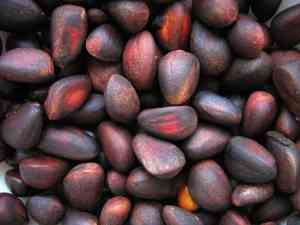
Distinguished by its robust constitution and pyramidal form, Pinus sibirica flourishes in frigid environments. Effective trimming entails excising deceased or ailing limbs and reducing crowded sections to facilitate air movement and light access. Foster robust central stem development by severing rival branches. The ideal period for pruning is during winter, aligning with its dormant phase to lessen sap exudation and strain. Pruning Pinus sibirica elevates tree vitality and amplifies nut yield, concurrently guaranteeing structural resilience against substantial snow accumulation.
What Are the Benefits of Pruning Siberian Stone Pine?
What Are the Benefits of Pruning Siberian Stone Pine?
Trimming siberian stone pine encourages robust development and helps maintain its desired form. Consistent cutting fosters a strong structure, potentially boosting cone production and overall vitality, while keeping the plant visually appealing and well-proportioned.
What Is the Best Time for Pruning Siberian Stone Pine?
What Is the Best Time for Pruning Siberian Stone Pine?
Pruning siberian stone pine in late winter is optimal as it aligns with the plant's dormant phase. This minimizes sap loss and stress, allowing siberian stone pine to recover from cuts more effectively and reducing infection risk. Trimming before spring growth enables the plant to direct energy into new growth in desired areas, promoting a healthy, controlled structure. Additionally, the absence of leaves improves visibility for identifying branches to prune. Avoid fall pruning, as cuts heal slower then, increasing susceptibility to fungal infections.
What Tools Do I Need to Prune Siberian Stone Pine?
Hand pruners
Ideal for small branches up to 1 inch in diameter on siberian stone pine, ensuring precise cuts without bark damage.
Loppers
Siberian stone pine's thicker branches, up to 2 inches in diameter, can be cut with loppers, offering greater leverage for cleaner cuts.
Pruning saw
For branches exceeding 2 inches on siberian stone pine, a pruning saw is crucial, allowing for accurate cuts without tearing.
Pole pruner
To safely reach elevated branches of siberian stone pine without a ladder, a pole pruner is recommended.
Shears
To shape the outer foliage of siberian stone pine or to trim small, accessible branches, shears can be used effectively.
Personal Protective Equipment (PPE)
Gloves, safety glasses, and sturdy footwear offer protection from sharp needles and falling branches while pruning siberian stone pine.
How to Prune Siberian Stone Pine
Identification
Locate dead or diseased branches on siberian stone pine by observing signs like discoloration, lack of needle growth, or bark damage.
Sanitization
Before beginning, disinfect pruning tools with a 10% bleach solution or alcohol to prevent disease transmission during pruning of siberian stone pine.
Cutting
Make clean, angled cuts just above a lateral branch or bud to remove dead or diseased branches from siberian stone pine. Ensure the cut avoids harming the branch collar, promoting better healing.
Disposal
Remove cut branches from the vicinity of siberian stone pine to prevent potential pest or disease spread and dispose of them properly.
Inspection
After removing damaged branches, examine the rest of siberian stone pine for any signs of stress or additional hidden diseased branches that might have been overlooked initially.
Common Pruning Mistakes with Siberian Stone Pine
Over Pruning
Removing too much foliage at once can stress siberian stone pine, hindering its natural shape and growth. Aim to prune no more than 20-25% of the branches.
Flush Cutting
Cutting branches flush against the trunk removes the branch collar, which can lead to decay as siberian stone pine is unable to properly heal over the wound.
Stub Cutting
Leaving too long a stub when cutting branches can prevent proper healing and invite pests and diseases to siberian stone pine.
Random Cutting
Unplanned or random cuts can result in uneven growth and harm the overall health and aesthetics of siberian stone pine. Cuts should be made with intention and foresight.
Neglecting Diseased Limbs
Failure to promptly remove diseased or dead limbs can allow infections to spread throughout siberian stone pine.
Improper Tool Use
Using dull or unclean tools can damage the branches of siberian stone pine and introduce disease.
Ignoring Natural Form
Not considering the natural form of siberian stone pine during pruning can lead to unnatural growth patterns and reduce the tree's ornamental value.
Common Pruning Tips for Siberian Stone Pine
Correct Cutting Technique
When pruning siberian stone pine, make cuts just outside the branch collar at a 45-to-60-degree angle to promote healthy healing and prevent water accumulation.
Healthy Growth
Focus on removing only the necessary branches to maintain or restore the health and structure of siberian stone pine.
Disease Management
Regularly inspect siberian stone pine and promptly prune away any damaged or diseased branches to prevent the spread of pests and diseases.
Sharp Tools
Use sharp, clean pruning shears or saws for clean cuts that will heal more effectively.
Branch Size Limitation
Avoid removing large branches as this can cause significant injury to siberian stone pine. Prioritize the removal of smaller branches to shape or thin the plant.
Natural Shape Maintenance
Prune siberian stone pine following its natural growth pattern to preserve its form and appearance.
Gradual Pruning
Practice incremental pruning over several seasons, if necessary, to minimize stress on siberian stone pine rather than making all changes at once.



