How to Prune Thurber's stemsucker?
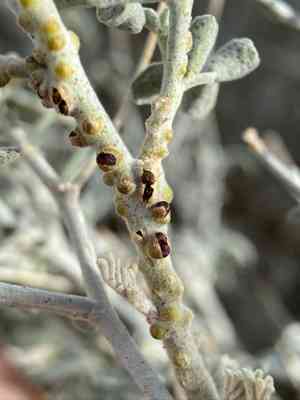
This parasitic organism flourishes on its host shrubs, displaying tiny, unremarkable blossoms. Trim thurber's stemsucker during the late winter or early spring period to regulate its proliferation and beneficially impact the host plant's well-being. Sever affected stalks close to their origin to curb its parasitic development. Trimming guarantees enhanced air circulation and solar exposure for the host plant, thereby alleviating the host's strain and boosting its general vitality. Refer to regional directives for any particular pruning techniques suitable for your area.
Advantages of Trimming Thurber's Stemsucker
Advantages of Trimming Thurber's Stemsucker
Trimming thurber's stemsucker encourages robust development and maintains its form. Regular trimming fosters healthy growth, manages size, preserves appearance, and boosts resistance to pests and diseases, ensuring a strong plant.
Optimal Time for Trimming Thurber's Stemsucker
Optimal Time for Trimming Thurber's Stemsucker
Trimming or cutting thurber's stemsucker during early spring and late winter is ideal as it coincides with the host plants' dormant phase, minimizing disturbance. This timing helps prevent excessive sap loss and facilitates faster healing of the host tissue. Additionally, pruning during these seasons avoids interfering with the flowering or fruiting cycles that typically occur later in the growing period. By trimming in early spring or late winter, gardeners can ensure that new growth in the host plant is healthy and vigorous, which in turn supports the overall health and containment of thurber's stemsucker.
Tools Required for Trimming Thurber's Stemsucker
Pruning Shears
Perfect for precise cuts needed in delicate areas where thurber's stemsucker attaches to the host plant.
Bypass Pruners
Useful for clean, non-damaging cuts to the host plant's stems, aiding in controlling the spread of thurber's stemsucker.
Sterilizing Solution
Essential for disinfecting tools before and after use to prevent the transmission of any potential diseases between the host and thurber's stemsucker.
Magnifying Glass
Assists in identifying exact points of attachment and growth for accurate trimming.
How to Trim Thurber's Stemsucker
Assessment
Carefully inspect thurber's stemsucker for indications of diseased or withered foliage. Pinpoint areas needing attention based on discoloration, deformities, or pest presence.
Sterilization
Before trimming, sanitize your pruning shears with rubbing alcohol or a bleach solution to prevent disease spread.
Removal of Diseased Leaves
Cut off any diseased leaves. Make cuts well below the affected area, ideally where the leaf meets the stem, to ensure complete removal of diseased tissue.
Removal of Withered Leaves
Carefully snip away any withered leaves. These should also be removed at the point where the leaf meets the stem to encourage healthy growth and eliminate potential pest habitats.
Cleanup
Dispose of all trimmed material away from the plant area to prevent any potential disease spread. Do not compost diseased leaves as they can contaminate compost material.
Common Trimming Errors with Thurber's Stemsucker
Improper technique
Using dull or dirty trimming tools can create jagged cuts that invite disease and pest infestations. Incorrect cutting angles can also harm the plant structure.
Over-trimming
Removing too much of thurber's stemsucker can significantly stress the plant and reduce its vitality, potentially leading to poor growth or even death.
Timing errors
Trimming at inappropriate times, such as during budding or peak growth periods, can disrupt the plant's natural cycle, affecting flowering and general health.
Neglecting sanitation
Failure to sterilize trimming tools between cuts can spread diseases from one part of thurber's stemsucker to another, causing widespread plant health issues.
Ignoring plant signals
Disregarding the natural indications of thurber's stemsucker, such as dead or diseased growth, and not addressing them promptly, can lead to broader health problems.
Common Trimming Tips for Thurber's Stemsucker
Use sharp, clean tools
Always trim with sharp, sterilized tools to make clean cuts that heal quickly and reduce the risk of disease.
Trim judiciously
Remove no more than 25% of the plant's foliage at one time to avoid stressing thurber's stemsucker. Focus on removing dead, damaged, or diseased parts first.
Angled cuts
Make cuts at a slight angle, just above a bud or branch, to promote healthy new growth and prevent water from accumulating on the cut surface, which can lead to decay.
Maintain airflow
Ensure good airflow through the plant by thinning out crowded areas. This can help prevent fungal infections and promote overall plant health.
Observe the plant
Pay attention to thurber's stemsucker's growth patterns and any signs of stress or disease. Adjust your trimming techniques accordingly to support the plant's natural development and resilience.



