How to Prune Friendship plant?
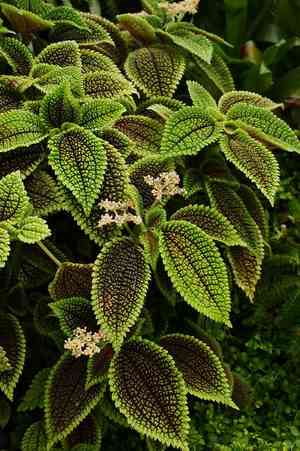
The friendship plant exhibits textured foliage and flourishes in moist conditions. Trim the friendship plant to preserve its dense form and eliminate elongated stems. Employ sterile, sharp shears to cut away undesirable stalks. Pruning is most effective in spring, summer, and autumn to stimulate vigorous development and prevent stressing the plant. Consistent trimming encourages fresh growth and enhances air movement, potentially lowering disease susceptibility. Position the plant in filtered light to facilitate a healthy recuperation after pruning.
What Are the Benefits of Pruning Friendship Plant?
What Are the Benefits of Pruning Friendship Plant?
Pruning benefits Friendship plant by encouraging robust development and maintaining an appealing form. Regular trimming promotes denser foliage, helps manage its size, and lowers the risk of pests and diseases. Pruning improves the plant's overall health and visual attractiveness.
What Is the Best Time for Pruning Friendship Plant?
What Is the Best Time for Pruning Friendship Plant?
Pruning or trimming Friendship plant is most effective during the Spring, Summer, and Fall seasons. These periods coincide with the plant's active growth phase, allowing for quicker recovery and fostering healthier, fuller development. In Spring and Summer, Friendship plant experiences vigorous growth, making it an ideal time to shape the plant and remove any damaged or diseased foliage. Fall pruning helps prepare the plant for its dormant winter period, ensuring it remains healthy and strong. Avoid pruning during Winter when Friendship plant is less active, as this can stress the plant and hinder its growth.
What Tools Do I Need to Prune Friendship Plant?
Bypass Pruners
Bypass pruners are perfect for Friendship plant as they create clean cuts, minimizing harm to delicate stems. Choose a model with sharp, rust-resistant blades.
Precision Pruning Shears
These smaller, accurate shears are excellent for detailed work on Friendship plant, allowing for careful removal of smaller stems and dead leaves.
Sterilizing Agent (Isopropyl Alcohol)
A sterilizing agent is essential for cleaning pruning tools before and after use on Friendship plant to prevent the spread of disease.
How to Prune Friendship Plant
Inspect
Thoroughly examine the plant to identify any diseased leaves, withered leaves, dead branches, and diseased branches. This helps in understanding the extent and areas that require pruning.
Sanitize
Ensure your pruning tools are sanitized before you begin. This prevents the spread of disease. Clean them with rubbing alcohol or a bleach and water solution.
Remove diseased parts
Carefully cut away any diseased leaves and branches. Make clean cuts at least an inch below the affected area to ensure all diseased tissue is removed. Dispose of these parts away from the garden.
Remove withered leaves
Remove all withered leaves by gently tugging or using pruning scissors. Withered leaves can negatively affect the plant's appearance and health.
Remove dead branches
Identify and remove any dead branches. Cut them back to healthy tissue or to the base of the plant. This will encourage new growth and improve the plant's overall structure.
Common Pruning Mistakes with Friendship Plant
Over-pruning
Cutting back too much of the plant at once can stress and potentially damage Friendship plant, leading to stunted growth or decline.
Improper technique
Using dull or inappropriate tools can cause jagged cuts, making Friendship plant more susceptible to infections and pests.
Pruning damaged or diseased parts last
Addressing these areas last can spread disease to healthy parts of Friendship plant, exacerbating the problem.
Ignoring airflow
Not considering how cuts affect airflow can lead to a dense canopy that fosters fungal growth.
Neglecting root pruning
Ignoring the roots of Friendship plant, particularly when it's root-bound, can limit its overall health and growth potential.
Common Pruning Tips for Friendship Plant
Use sharp tools
Always use sharp, clean pruning shears to make precise cuts, minimizing damage to Friendship plant.
Prune selectively
Remove only 10-20% of the plant at a time. Focus on dead, damaged, or diseased stems to encourage healthy growth.
Maintain shape
Prune to maintain a desirable shape, typically a compact and bushy form, to enhance aesthetic appeal and facilitate even growth.
Promote growth points
Cut just above leaf nodes to encourage new shoots and fuller growth in Friendship plant.
Improve airflow
Thin out crowded branches to increase airflow, reducing the risk of fungal diseases and ensuring sunlight reaches all parts of Friendship plant.
Consider root pruning
Occasionally check and prune roots if Friendship plant is root-bound, to stimulate healthier growth both above and below the soil.



