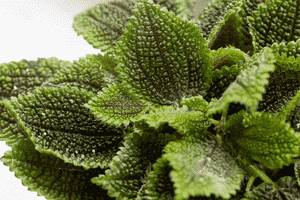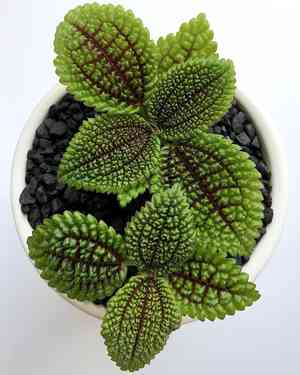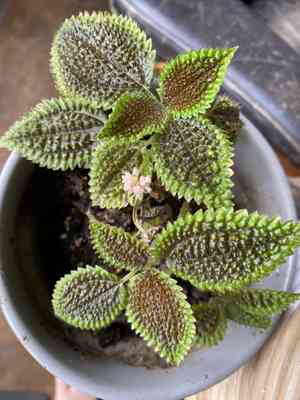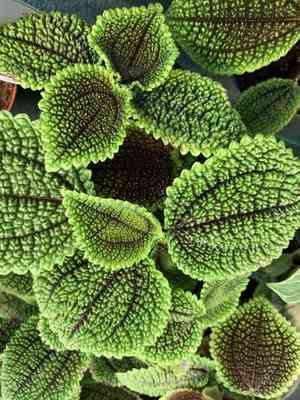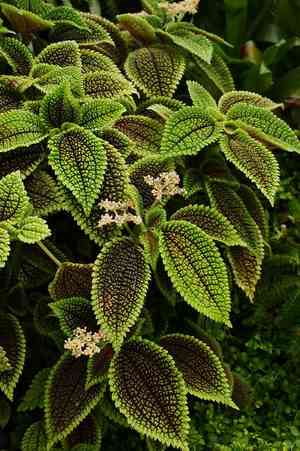
Friendship plant(Pilea involucrata)

Friendship plant (Pilea involucrata)

Also known as: Friendship Plant, Panamiga, Moon Valley Pilea

The Friendship Plant (Pilea involucrata) is an appealing houseplant that originates from Central and South America. Its leaves are distinctively quilted, displaying a rich green hue. This plant is well-regarded for its ease of care, thriving in moderate to bright indirect light and needing only occasional watering.

Key benefits include:
1. **Visual Appeal**: Adds a touch of natural beauty with its textured foliage.
2. **Air Quality**: Helps in purifying the indoor environment.
3. **Low Maintenance**: Suitable for both beginners and experienced plant enthusiasts.
4. **Easy Propagation**: Ideal for sharing cuttings, embodying the spirit of friendship.
5. **Positive Ambiance**: Thought to bring good luck and positive energy to a home.

Attributes of Friendship plant

Lifespan
Perennial
Plant Type
Herb, Vine
Plant Height
12 inches
Spread
12-15 inches (30-38 cm)
Leaf Color
Green Bronze
Flower Size
0.1 inches (2.5 mm)
Flower Color
Cream Pink

ForwardPlant - Identify plants with a snap

Identify and diagnose plants, get toxicity alerts, and explore safety guides for all types of fungi.

Try for Free

Images of Friendship plant

Friendship plant(Pilea involucrata)

Quickly Identify Friendship plant

1
Velvety green leaves with intricate silver markings, 3 inches (7.5 cm) long.
2
Quilted leaf texture, pink-hued stems, compact growth under 12 inches (30 cm).

Scientific Classification of Friendship plant

Phylum
Vascular plants
Class
Dicotyledons
Order
Rosales
Family
Nettle
Genus
Clearweed
Species
Friendship plant

Planting and Growing of Friendship plant

Care Difficulty
Easy
Watering Schedule
Every 4 days
Sunlight Requirements
Partial sun
Sunshine Duration
6-8 hours
Ideal Temperature
65-75℉
Soil Type
Potting Mix, Peat Mix
Soil pH
5.5-7.5
Fertilizer Type
Balanced
Pruning Season
Spring, Summer
Pruning Area
Branches, Leaves
Pruning Frequency
2 times a year
Repotting Season
Spring
Pot Type
Plastic, Ceramic

water icon How to Water Friendship plant?

For Pilea involucrata, it's important to water thoroughly but not excessively. Allow the top inch of soil to dry out between waterings. Use approximately 100 ml of water each time, which allows the roots to absorb moisture without becoming waterlogged. Remember: a little too dry is always better than too wet!
What are the symptoms of an underwatered Friendship plant?
What should I do if my Friendship plant is not getting enough water?
What are the symptoms of an overwatered Friendship plant?
How to save an overwatered Friendship plant?

sunlight icon What Are the Sunlight Requirements for Friendship plant?

Sunlight Requirements: Partial sun
Duration of light: 3 to 4 hours
Partial sun is ideal because it offers balanced exposure without overwhelming the plant. This light level encourages full, bushy growth and good leaf color.
What is the optimal lighting scenario?
How can ideal light exposure be achieved?
What are the benefits of optimal lighting?

temperature icon What Is the Ideal Temperature Range for Friendship plant?

Ideal Temperature: 65 ~ 75℉
The ideal temperature range for Pilea involucrata is between 65°F and 75°F. This range provides optimal growing conditions that support the plant's metabolism and overall health. Maintaining these temperatures helps ensure vibrant foliage and continuous growth.

soil icon What Soil is Best for Friendship plant?

Soil type: Loam, Sandy loam, Peat soil
Soil PH: 5.5 ~ 7.5
Pilea involucrata thrives in well-draining soil to prevent root rot. This type of soil ensures excess water drains away quickly, maintaining healthy root oxygenation and preventing fungal diseases. A soil enriched with moderate organic matter, like compost, offers essential nutrients for vigorous growth and lush foliage, which is crucial for the overall vitality of Pilea involucrata. The soil should retain some moisture while still having a light texture. This balance ensures the roots can access moisture consistently, avoiding the extremes of drought and waterlogging.

fertilize icon How to Fertilize Friendship plant?

Fertilizer type: Balanced
Pilea involucrata benefits from light fertilization, as too much can harm the plant. A quarter to half-strength liquid fertilizer during the growing season is usually sufficient. Be careful not to overdo it, as this plant is sensitive to excessive feeding.

prune icon How to Prune Friendship plant?

Pruning Time: Spring, Summer, Autumn, Winter
Before you begin, gather sharp and clean pruning scissors or shears. Ensure they are sterilized to prevent plant diseases. Identify the stems that look leggy or unhealthy. Prepare a clean workspace to safely collect cuttings and leaves. Carefully examine the entire plant for overlong stems and start by cutting about one-third of the length of these stems at an angle. This helps new growth to flourish and spreads the plant's foliage more evenly, encouraging new leaf development. Pinch back the tips of the plant using your fingers or use scissors for a clean cut. Focus on the top two leaves, pinching them off. This promotes side growth and results in a fuller-looking Pilea involucrata, fostering a more balanced appearance. More About Pruning Techniques

propagate icon How to Propagate Friendship plant plant?

Propagate Time: Spring, Early spring
1
Choose a healthy Pilea involucrata plant with no signs of disease or pest infestation. A robust parent plant will provide stronger cuttings with a higher success rate.
2
Use clean, sharp shears to cut a 3-4 inch section from a healthy stem. Ensure the cutting has at least two leaves, and trim off any excess leaves to reduce moisture loss.
3
Dip the cut end of the stem in rooting hormone powder and plant it in a pot with well-draining potting mix. Keep the soil moist but not waterlogged to encourage rooting.
More About Propagating Techniques

repot icon How to Repot Friendship plant plant?

Repotting frequency: Every 1-2 years
1
Pilea involucrata generally needs to be repotted when you notice roots growing out of the drainage holes, the soil drying out too quickly, or stunted growth. Ideally, repot during the spring or early summer to give the plant optimal growing conditions. Always opt for repotting if the pot seems overwhelmingly full of roots.
2
Select a pot that is 1-2 inches larger in diameter than the current one to allow room for growth. Choosing a pot with adequate drainage holes helps prevent overwatering issues, as Pilea involucrata prefers to stay relatively moist but not waterlogged. Planters made of terracotta or plastic work well depending on your aesthetic preference and environmental factors.
3
Opt for a well-draining peat-based soil mix with perlite or sand to enhance aeration and prevent soil compaction. This type of soil mix provides the right balance of moisture retention and drainage, ensuring the roots have adequate air circulation. Proper soil prevents root rot, one of the most common issues for Pilea.

ForwardPlant - Identify plants with a snap

Find the best spots for them to optimize their health, simply using your phone.

Try for Free