How to Prune Korean spruce?
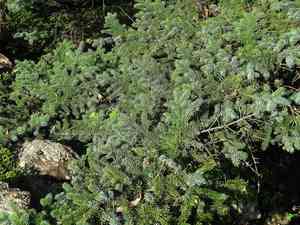
A coniferous evergreen featuring a compact, conical structure, korean spruce thrives with limited trimming, mainly for aesthetic shaping and the elimination of deceased or compromised limbs. The most suitable period for pruning is in late winter while the plant is inactive, which encourages robust growth in spring. Winter pruning lessens sap leakage and strain, thereby decreasing vulnerability to ailments. Consistent upkeep fosters improved air movement and light exposure, boosting its general vitality.
Advantages of Trimming Korean Spruce
Advantages of Trimming Korean Spruce
Trimming korean spruce promotes robust development and maintains its desired form. Regular cutting aids in preventing branch congestion, ensuring improved air flow and light access, vital for its well-being and aesthetic appeal.
Optimal Time for Trimming Korean Spruce
Optimal Time for Trimming Korean Spruce
Trimming korean spruce during winter is considered ideal as the plant is typically in a dormant state. During this period, korean spruce experiences minimal active growth, allowing it to better handle the stress of pruning. Additionally, pruning in the dormant season helps prevent the spread of diseases and pests, which are less active in colder weather. This timing also facilitates the plant's energy conservation, directing it towards robust new growth in the spring, thus promoting a healthier and more vibrant korean spruce in the following growing season.
Tools Required for Trimming Korean Spruce
Hand Pruners
Perfect for making precise cuts on smaller branches of korean spruce, ensuring minimal plant damage. Useful for shaping or removing dead and unbalanced branches.
Loppers
Best for cutting thicker branches that hand pruners cannot manage. Loppers provide the extra leverage needed for cutting through branches up to 1.5 inches in diameter, common in korean spruce maintenance.
Pruning Saw
Essential for removing larger branches. A pruning saw helps manage the thicker, more mature branches of korean spruce, especially in older trees where branches can exceed lopper capacity.
Shears
Useful for trimming and shaping the foliage of korean spruce to maintain its aesthetic appearance. Especially important for hedges or ornamental specimens.
How to Trim Korean Spruce
Inspect
Carefully examine korean spruce to identify and mark all dead and diseased branches. Look for branches that are dry, brittle, or show signs of infections or discoloration.
Clean tools
Before starting the trimming process, thoroughly clean and sanitize all pruning tools. This prevents the spread of disease to healthy parts of korean spruce.
Cut dead branches
Using sharp pruning shears, cut dead branches at the point where they meet healthy wood. Make the cut at a slight angle to facilitate water runoff and prevent rot.
Cut diseased branches
Remove diseased branches by cutting at least several inches into healthy wood beyond the diseased sections to ensure all infected material is removed. Dispose of these branches properly to avoid contaminating other plants.
Final inspection
Conduct a final inspection of korean spruce to ensure all problematic branches have been removed and that the overall structure of korean spruce remains healthy and well-shaped. Clear away all cuttings and debris from the area.
Common Trimming Errors with Korean Spruce
Over-pruning
Removing too much foliage from korean spruce can stress the tree, as it relies on its leaves for photosynthesis and healthy growth. Over-pruning can hinder its development and make it susceptible to diseases.
Improper cuts
Incorrect cutting techniques can cause damage to korean spruce's bark and branches, leading to potential entry points for pests and diseases. Always use sharp, clean pruning tools and make cuts at the appropriate angles.
Unnecessary live branch removal
Cutting live branches without a justified reason can weaken korean spruce. Pruning should focus on removing dead, diseased, or overcrowded branches to improve air circulation and light penetration.
General Trimming Advice for Korean Spruce
Use proper tools
Utilize clean, sharp pruning shears or saws specifically designed for cutting through wood. This ensures cleaner cuts that heal faster, minimizing stress on korean spruce.
Focus on dead or diseased branches
Regularly remove dead, dying, or diseased branches to help korean spruce maintain its health and vigor. This also prevents the spread of decay and infections.
Thin out dense areas
Thin out areas where branches are densely packed to improve air circulation and light exposure to the inner parts of korean spruce. This is particularly crucial for maintaining its overall health and enhancing its growth.
Follow correct cutting techniques
Make cuts just outside the branch collar without leaving a stub. This helps korean spruce heal more efficiently and protects it against diseases.



