How to Prune Greenwax golden bamboo?
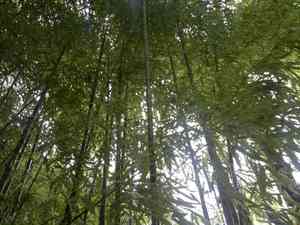
Greenwax golden bamboo, recognized for its towering, graceful stalks and abundant leaves, necessitates particular trimming methods. Perform pruning in early spring to eliminate deceased or compromised stalks and preserve its form, then reduce crowded stalks in winter to enhance airflow and light exposure. This practice encourages more robust development and reduces insect problems. Ensure cuts are made at soil level to prevent unattractive remnants. For peak outcomes, consistent seasonal upkeep is crucial, boosting both its appearance and overall health.
What Are the Benefits of Pruning Greenwax Golden Bamboo?
What Are the Benefits of Pruning Greenwax Golden Bamboo?
Trimming greenwax golden bamboo encourages robust development, preserves its form, and manages its expansion. Regular trimming aids in eliminating dead or damaged stalks, lessens pest infestations, and guarantees improved air circulation, boosting overall plant vitality and look.
What Is the Best Time for Pruning Greenwax Golden Bamboo?
What Is the Best Time for Pruning Greenwax Golden Bamboo?
Trimming greenwax golden bamboo in early spring and winter is optimal as these periods coincide with the plant's dormant phase, minimizing stress and lowering the chance of disease or pest infestation. During dormancy, greenwax golden bamboo is less active in growth, meaning it can better recover from cuts and trims. Furthermore, early spring trimming prepares the plant for vigorous growth in the upcoming season, while winter trimming helps maintain the plant's structure and health without disrupting its flowering or fruiting cycles.
What Tools Do I Need to Prune Greenwax Golden Bamboo?
Bypass Pruners
Perfect for cutting small diameter pieces due to their accuracy and clean cuts, preventing harm to greenwax golden bamboo.
Loppers
Useful for cutting larger, thicker canes that are too big for bypass pruners, offering more leverage and cutting power.
Pruning Saw
Essential for removing very large and mature canes, ensuring clean cuts with minimal effort and precision.
Hand Shears
Good for trimming small shoots and leaves to maintain the plant's appearance and health.
Pole Pruner
Beneficial for reaching and cutting tall canes and branches without needing a ladder, ensuring safety and efficiency.
How to Prune Greenwax Golden Bamboo
Inspect
Examine greenwax golden bamboo for any diseased or withered leaves. Clearly identifying these areas will assist in targeted trimming.
Prepare
Sanitize your trimming tools to prevent any potential spread of disease. Use a solution of one part bleach to nine parts water for effective sterilization.
Remove diseased
Carefully cut away any diseased leaves at their base, ensuring you do not damage the healthy parts of greenwax golden bamboo. Discard the diseased leaves in a sealed bag to prevent contamination.
Remove withered
Trim the withered leaves close to the main stem or culm. Ensure a clean cut that doesnât tear or leave ragged edges to minimize stress to greenwax golden bamboo.
Cleanup
Dispose of all removed plant material properly, and thoroughly clean your tools again. Monitor greenwax golden bamboo regularly for any signs of recurring disease or new withered leaves.
Common Pruning Mistakes with Greenwax Golden Bamboo
Over-pruning
One of the most frequent errors is removing too much foliage. Over-trimming can stress the plant, potentially stunting its growth and reducing its overall vigor.
Improper cuts
Making jagged or uneven cuts can hinder the plantâs ability to heal and might create entry points for diseases.
Ignoring the clump size
Not paying attention to the size of the clump and the density of canes can lead to overcrowding, which restricts airflow and light penetration.
Wrong tools
Using dull or inappropriate tools can damage the canes and lead to poor healing or infection.
Common Pruning Tips for Greenwax Golden Bamboo
Thin out older canes
Regularly remove the oldest canes at ground level to encourage new growth and maintain the plantâs health. Aim to keep an evenly spaced mixture of young and mature canes.
Maintain airflow
Ensure there is adequate space between canes to allow for proper airflow, which helps in preventing disease and promoting healthy growth.
Clean cuts
Use clean, sharp tools to make precise cuts. Always cut just above a node or bud to encourage proper healing and new growth.
Remove dead or damaged canes
Promptly cut out any dead, damaged, or diseased canes to maintain the plantâs overall health and direct energy towards healthy growth.
Mind the height
While shaping the plant, avoid topping it haphazardly. Focus on maintaining a natural shape and structure, pruning selectively to control height.



