How to Prune Niruri?
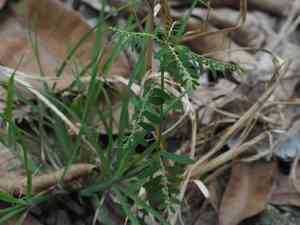
Niruri, a diminutive herb recognized for its therapeutic qualities and fragile foliage, thrives with consistent trimming. The most opportune periods for pruning are in Spring, Summer, and Autumn, coinciding with its vigorous growth stages. Frequent cutting fosters a denser form, prevents elongated stems, and boosts the plant's general well-being. Eliminate deceased or compromised stalks and thin out leaves to sustain proper air movement. Verify that all cuts are precise to avert diseases. Trimming niruri additionally facilitates superior light exposure, encouraging sturdy maturation.
What Are the Benefits of Pruning Niruri?
What Are the Benefits of Pruning Niruri?
Pruning niruri promotes vigorous growth and helps maintain its form. Regular trimming ensures healthy development, prevents leggy stems, and encourages a more compact, attractive appearance. It also lowers the risk of pest and disease infestations.
What Is the Best Time for Pruning Niruri?
What Is the Best Time for Pruning Niruri?
Optimal pruning for niruri occurs during spring, summer, and fall, as these periods align with its active growth. Spring pruning stimulates strong new growth and helps shape the plant post-winter. Summer pruning manages size and form during vigorous growth. Fall pruning prepares niruri for slower winter growth, enhancing structural integrity and reducing disease or pest risk. Avoid winter pruning to prevent undue stress when growth is minimal.
What Tools Do I Need to Prune Niruri?
Hand Pruners/Secateurs
Hand pruners are vital for trimming small branches and shoots of niruri. They allow for precise cuts, encouraging healthy regrowth.
Bypass Pruners
Bypass pruners are perfect for cutting live, green stems and branches, making them ideal for maintaining niruri's delicate structure.
Pruning Shears
Pruning shears are suitable for detailed cuts and can efficiently handle thin branches, aiding in shaping niruri.
Sharp Scissors
Sharp garden scissors can be used for fine, detailed pruning tasks, especially for smaller leaves and stems on niruri.
Disinfectant Wipes
To prevent disease transmission, cleaning tools with disinfectant wipes between cuts is essential when working with niruri.
How to Prune Niruri
Assess
Inspect niruri for withered leaves. Evaluate overall plant health and note areas needing attention.
Sterilize
Clean pruning tools with alcohol or a disinfectant to prevent disease spread.
Remove withered leaves
Identify and trim withered leaves close to the base or stem of niruri with a clean cut to improve air circulation and appearance.
Dispose
Properly discard removed leaves to prevent the spread of pests or disease.
Monitor
Continuously observe niruri for new signs of leaf wilting or other issues and repeat the process as needed.
Common Pruning Mistakes with Niruri
Improper Technique
Many gardeners use incorrect tools or make jagged cuts, which can harm niruri's delicate stems and impede growth. Using sharp, sterilized pruning shears for clean cuts is crucial.
Over-Pruning
Excessive foliage removal can weaken niruri. This plant benefits from moderate pruning; overdoing it can reduce flower production and stress the plant.
Pruning at the Wrong Stage
Cutting back the plant when it's already stressed or growing vigorously can hinder its development. Proper timing is key for quick recovery and continued thriving.
Ignoring Diseased Parts
Failing to identify and remove diseased or damaged sections can spread infections to healthy areas, compromising the entire plant.
Not Considering Natural Growth Habit
Niruri has a specific growth form that should not be drastically altered. Pruning without understanding its natural shape can result in an unsightly and unhealthy plant.
Common Pruning Tips for Niruri
Use the Right Tools
Ensure your pruning shears are sharp, clean, and sterilized. This helps create precise cuts that promote faster healing and prevent disease transmission.
Moderation
Prune moderately to encourage healthy growth. Focus on removing dead or damaged stems and lightly thinning congested areas.
Observe the Plant's Growth
Pay attention to the growth pattern and only prune when the plant is not stressed. This fosters better recovery and robust development.
Sanitize Tools
Always clean your tools before and after pruning to prevent disease spread. Sterilizing shears with rubbing alcohol or a bleach solution is recommended.
Understand the Plant's Structure
Maintain niruri's natural shape by pruning conservatively. Aim to enhance airflow and light penetration without drastically altering its form.
Remove Diseased Parts Promptly
Regularly inspect niruri for any signs of disease or damage and promptly remove affected parts to safeguard the plant's health.



