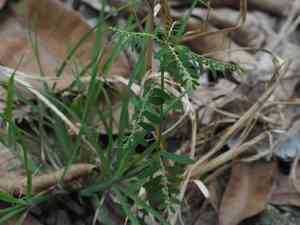
Niruri (Phyllanthus debilis)
Also known as: Niruri, Stone Breaker
**Phyllanthus niruri**, commonly known as "Chanca Piedra" or "Stonebreaker," is a small, herbaceous plant with thin stems and alternately arranged leaves, giving it a delicate look. Thriving in warm, tropical climates, it features tiny green-yellow flowers that bloom inconspicuously beneath its leaves. Despite its subtle presence, this plant is well-regarded for its use in traditional herbal medicine.
In This Article
Attributes of Niruri
Lifespan
Annual
Plant Type
Herb
Plant Height
2 m to 3 m
Spread
15-30 cm
Leaf Color
Green
Flower Size
Up to 1 cm
Flower Color
White Green
Images of Niruri
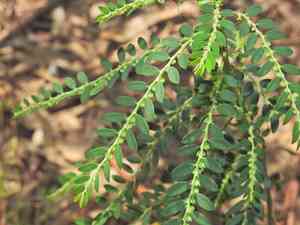
Quickly Identify Niruri
1
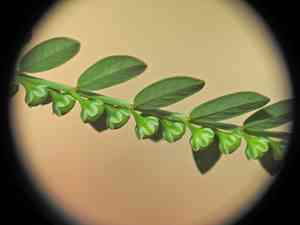
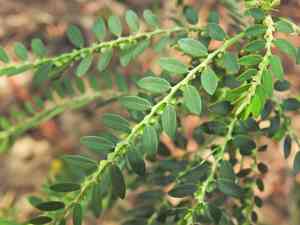
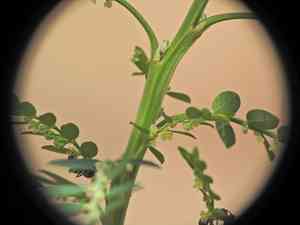
Phyllanthus debilis can be identified by its slender stems, small oblong leaves, and greenish-white flowers. It typically grows low to the ground and has a somewhat spreading habit.
Scientific Classification of Niruri
Phylum
Vascular plants
Class
Dicotyledons
Order
Malpighiales
Family
Leaf-flower
Genus
Leafflowers
Species
Niruri
Planting and Growing of Niruri
Care Difficulty
Easy
Watering Schedule
Every 4 days
Sunlight Requirements
Partial sun
Sunshine Duration
6-10 hours
Ideal Temperature
68-77℉
Soil Type
Potting Mix, Peat Mix
Soil pH
6.5-7.5
Fertilizer Type
Balanced
Pruning Season
Spring, Summer
Pruning Area
Branches, Leaves
Pruning Frequency
2 times a year
Repotting Season
Spring
Pot Type
Plastic, Ceramic
 How to Water Niruri?
Phyllanthus debilis thrives when the watering amount is just enough to moisten the soil, allowing it to dry slightly between waterings. The key is balance—ensuring the roots have access to moisture without becoming waterlogged.
What are the symptoms of an underwatered Niruri?
›
What should I do if my Niruri is not getting enough water?
›
What are the symptoms of an overwatered Niruri?
›
How to save an overwatered Niruri?
›
 What Are the Sunlight Requirements for Niruri?
Partial sun or full shade is perfect for Phyllanthus debilis. This range ensures balanced exposure, aiding in photosynthesis and overall health while protecting the plant from stress associated with intense light.
What is the best type of lighting?
›
How to achieve ideal lighting?
›
What are the benefits of ideal lighting?
›
 What Is the Ideal Temperature Range for Niruri?
The ideal temperature range for Phyllanthus debilis is between 68°F to 77°F. In this range, the plant can maintain optimal growth, ensuring healthy leaves and flowering. Maintaining this temperature ensures that enzymatic activities occur efficiently, promoting lush green foliage and vibrant plant health.
 What Soil is Best for Niruri?
Phyllanthus debilis thrives in well-draining soil, which prevents waterlogging and root rot. This type of soil ensures that the plant's roots receive adequate oxygen, promoting healthy growth and preventing common soil-borne diseases. A nutrient-rich composition is vital for the robust growth of Phyllanthus debilis. Soils high in organic matter support the plant's nutrient uptake, leading to lush foliage and vibrant growth. Regularly amending the soil with compost can significantly enhance nutrient availability. This plant benefits from soil that retains moderate moisture without becoming waterlogged. It ensures a consistent supply of water between watering sessions, helping the plant to maintain its turgor pressure and lush appearance without being stressed by drought.
 How to Fertilize Niruri?
Phyllanthus debilis requires a balanced approach to fertilization. Use a liquid fertilizer diluted to one-quarter of the recommended strength, as excessive nutrients can damage this delicate plant. For slow-release fertilizers, apply sparingly in the growing season according to package instructions, which typically would be around one tablespoon scattered evenly around the base.
 How to Prune Niruri?
Begin by examining the plant for any dead or diseased branches, which should be removed to prevent further decay. Focus on cutting back overgrown or leggy stems to encourage bushier growth. Use clean, sharp pruning shears to make precise cuts just above a leaf node or bud, which will help direct new growth outward. Be sure to maintain a natural shape while pruning, avoiding drastic changes that could stress the plant. For shaping purposes, try to establish a symmetrical form by cutting back the plant evenly on all sides. Remove any crossing branches or those that grow towards the center to improve air circulation. This will help prevent mold or pest infestations. Regular shaping is essential to maintain an aesthetically pleasing and healthy plant appearance.
More About Pruning Techniques→
 How to Propagate Niruri plant?
1
Fill the seed tray with a well-draining seed-starting mix. Sow the Phyllanthus debilis seeds evenly on the surface and cover lightly with more mix. Water gently and keep the tray in a well-lit, warm area to promote germination.
2
Select healthy stems from an existing plant and cut sections of about 4-6 inches long. Remove the lower leaves to ensure only the stem is in contact with the soil or growth medium. This helps in increasing the chances of rooting without decay.
3
Insert the cut end of the stems into a pot filled with a moist, well-draining medium. Firm the soil around the base and water lightly. Position the pot in a warm, bright location, avoiding direct sunlight to reduce stress on the cuttings.
 How to Repot Niruri plant?
1
Monitor Phyllanthus debilis for signs of cramped roots emerging from drainage holes or stunted growth. Such indicators often signify it's time to consider relocating to a larger pot. Optimal repotting generally aligns with periods of active growth observed in spring and summer, ensuring minimal stress.
2
Select a pot that offers ample drainage to prevent waterlogging. A diameter 1-2 inches larger than the current pot typically provides enough room for growth. Ceramic or terracotta pots are recommended as they are breathable and aid in moisture regulation.
3
Opt for a light, well-draining potting mix to facilitate root breathability while preventing water stagnation. Loamy soil mixed with sand or perlite serves to uphold an ideal balance of moisture retention and drainage, crucial for Phyllanthus debilis.



