How to Prune Tuberous jerusalem sage?
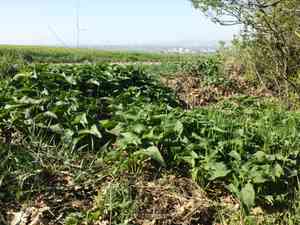
Distinguished by its sturdy tuberous root system and erect stalks, tuberous jerusalem sage thrives with appropriate trimming. In spring, remove any deceased or frail stems to stimulate vigorous development. Throughout the summer, snip off faded flower stalks to encourage a subsequent flowering period. A gentle trim in autumn helps preserve its form and well-being. Pruning improves air movement and can lower the likelihood of illness, thereby maximizing this perennial's vitality and capacity for blooming. Always employ sanitized, keen implements for accurate incisions.
What Are the Benefits of Pruning Tuberous Jerusalem Sage?
What Are the Benefits of Pruning Tuberous Jerusalem Sage?
Trimming tuberous jerusalem sage promotes abundant flowering and vigorous development. Consistent cutting helps maintain its desired shape and dimensions, contributing to an appealing garden display while supporting overall plant health.
What Is the Best Time for Pruning Tuberous Jerusalem Sage?
What Is the Best Time for Pruning Tuberous Jerusalem Sage?
Pruning in Spring coincides with tuberous jerusalem sage's initial growth phase, enabling gardeners to shape the plant and stimulate strong new growth. Early Summer pruning is advantageous after tuberous jerusalem sage has bloomed; trimming at this time encourages a potential second flowering and aids in plant health by removing spent blossoms. Late Fall pruning is ideal as it prepares tuberous jerusalem sage for dormancy, eliminating any dead or diseased foliage, and decreasing the plant's energy use during colder months. These periods ensure a balance between fostering lush vegetation, enhancing blooms, and preventing illness or pest infestation.
What Tools Do I Need to Prune Tuberous Jerusalem Sage?
Hand Pruners
Perfect for making precise cuts on smaller stems and branches of tuberous jerusalem sage, ensuring minimal harm to the plant.
Pruning Shears
Suitable for shaping tuberous jerusalem sage and snipping off any faded flowers, which stimulates new growth and maintains an attractive form.
Loppers
Useful for cutting through thicker branches that hand pruners cannot manage, allowing for better reach and leverage when shaping tuberous jerusalem sage.
Pruning Saw
Essential for removing larger, mature stems of tuberous jerusalem sage if they become damaged or diseased, providing the ability to make clean cuts without tearing.
Gardening Gloves
Protects hands from thorns and rough plant material while pruning tuberous jerusalem sage, ensuring safe handling during the maintenance process.
How to Prune Tuberous Jerusalem Sage
Clean tools
Before beginning, ensure all pruning tools are disinfected to prevent the spread of disease to tuberous jerusalem sage.
Remove diseased
Carefully inspect tuberous jerusalem sage for diseased leaves. Use shears to cut off any affected foliage, trimming back to healthy tissue to prevent infection from spreading.
Trim withered leaves
Identify and remove withered leaves from tuberous jerusalem sage. Make clean cuts at the base of each withered leaf to promote healthy growth and improve air circulation.
Deadhead flowers
Deadhead withered flowers on tuberous jerusalem sage by cutting them back to the first set of healthy leaves. This encourages new blooms and prevents the plant from using energy to produce seeds.
Cleanup
After pruning, dispose of all removed material away from tuberous jerusalem sage to prevent any potential disease reoccurrence and tidy the surrounding area to maintain a neat appearance.
Common Pruning Mistakes with Tuberous Jerusalem Sage
Overpruning
Removing too much foliage which can stress tuberous jerusalem sage and lead to poor growth or reduced flowering.
Blunt tools
Using dull or improper tools that can damage tuberous jerusalem sage's stems, making it susceptible to disease.
Neglecting deadheading
Failing to remove spent flowers, which can inhibit new blooms and lead to a less vigorous tuberous jerusalem sage
Pruning too low
Cutting into the woody base of tuberous jerusalem sage which can harm the plant or encourage rot, particularly in wet conditions.
Common Pruning Tips for Tuberous Jerusalem Sage
Sharp tools
Always use sharp, clean pruning shears to make clean cuts that will heal faster, preventing disease.
Deadheading
Regularly remove faded flowers to encourage tuberous jerusalem sage to produce more blooms and to maintain a tidy appearance.
Shape maintenance
Prune to maintain the desired shape and size, which helps improve air circulation and reduces the risk of fungal diseases.
Prune after flowering
Trimming tuberous jerusalem sage after it has flowered can help to prevent seed formation and encourage a second bloom in some cases.



