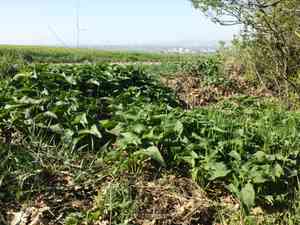
Tuberous jerusalem sage (Phlomoides tuberosa)
Also known as: Phlomis
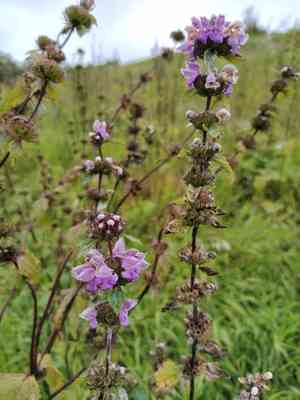
Tuberous Jerusalem sage (Phlomis tuberosa) is a perennial plant favored by professional gardeners and landscapers for its distinctive, tall burgundy stems adorned with clusters of lilac flowers. Its architectural form adds significant visual interest to garden landscapes. This plant is also known for being low maintenance, which enhances its appeal. Additionally, tuberous Jerusalem sage attracts bees and butterflies, contributing to biodiversity. It has earned the Award of Garden Merit for its outstanding qualities.
In This Article
Attributes of Tuberous jerusalem sage
Lifespan
Perennial
Plant Type
Herb
Plant Height
61 cm to 1.2 m
Spread
50 cm
Leaf Color
Green
Flower Size
2.5 cm
Flower Color
Pink Purple
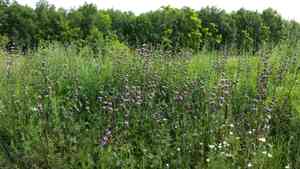
Images of Tuberous jerusalem sage

Quickly Identify Tuberous jerusalem sage
1
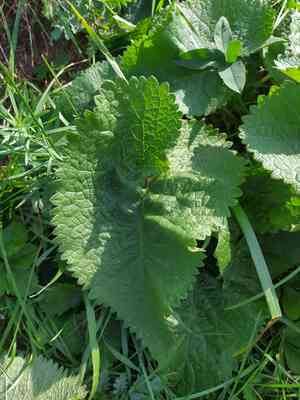
Phlomoides tuberosa can be identified by its tuberous roots, large and somewhat wrinkled leaves, and tall flower spikes with pink to purple flowers. The leaves have a distinct sage-like aroma.
Scientific Classification of Tuberous jerusalem sage
Phylum
Vascular plants
Class
Dicotyledons
Order
Mints plantains olives and allies
Family
Mint
Genus
Jerusalem sage
Species
Tuberous jerusalem sage
Planting and Growing of Tuberous jerusalem sage
Care Difficulty
Easy
Watering Schedule
Every 2 days
Sunlight Requirements
Full sun
Sunshine Duration
4-8 hours
Ideal Temperature
60-75℉
Soil Type
Potting Mix, Peat Mix
Soil pH
6.5-7.5
Fertilizer Type
Balanced
Pruning Season
Spring, Summer
Pruning Area
Branches, Leaves
Pruning Frequency
2 times a year
Repotting Season
Spring
Pot Type
Terracotta, Plastic
 How to Water Tuberous jerusalem sage?
Phlomoides tuberosa prefers moderate watering. Water until the soil is evenly moist but not soggy, around 500ml each time, ensuring the water reaches the root zone without pooling.
What are the symptoms of an underwatered Tuberous jerusalem sage?
›
What should I do if my Tuberous jerusalem sage is not getting enough water?
›
What are the symptoms of an overwatered Tuberous jerusalem sage?
›
How to save an overwatered Tuberous jerusalem sage?
›
 What Are the Sunlight Requirements for Tuberous jerusalem sage?
Partial to full sun is ideal, promoting strong growth and abundant flowering. Adequate light results in robust and healthy textures and colors in foliage.
More About Sunlight Requirements Techniques→
Solution for Ideal Sunlight
›
Specific Measures for Ideal Sunlight
›
Effect of Ideal Lighting
›
 What Is the Ideal Temperature Range for Tuberous jerusalem sage?
Phlomoides tuberosa thrives best in a temperature range of 60-75°F. This range is optimal for photosynthesis and plant metabolism, allowing healthy growth and vibrant blooms. Keeping the temperature within this range ensures that the plant remains stress-free and maintains its overall vigour.
 What Soil is Best for Tuberous jerusalem sage?
Phlomoides tuberosa thrives in well-drained soils because they prevent waterlogging, which can lead to root rot. This type of soil structure allows excess water to escape while retaining essential nutrients and moisture, maintaining an ideal balance for healthy growth. While Phlomoides tuberosa doesn't favor overly wet environments, it does appreciate moderate moisture levels. This balance helps to support consistent growth without risking the detrimental effects of drought stress, ensuring a more robust and vibrant plant. A nutrient-rich soil is vital for Phlomoides tuberosa, providing the essential elements it needs for lush, vigorous foliage and vibrant blooms. A good practice is enriching the soil with organic matter such as compost, ensuring the plant has a steady supply of nutrients.
 How to Fertilize Tuberous jerusalem sage?
For Phlomoides tuberosa, an appropriate amount of fertilizer is crucial. Use a balanced fertilizer diluted to half strength for liquid applications, as excessive nutrients can damage the plant. In general, opt for about 5 grams of slow-release granules per plant annually.
 How to Prune Tuberous jerusalem sage?
Begin by inspecting your Phlomoides tuberosa for any signs of disease or damaged stems. Remove any affected areas promptly to promote a healthier plant. Trim away old growth to about one-third of its size. This stimulates the plant to produce new, vigorous shoots and maintains a tidy appearance. To encourage bushier growth, make cuts just above a leaf node. This will prompt the plant to branch out, creating a fuller and more attractive form.
More About Pruning Techniques→
 How to Propagate Tuberous jerusalem sage plant?
1
To propagate Phlomoides tuberosa by seeds, fill a seed tray with a well-draining mix, sprinkle seeds on the surface, and gently press them into the soil without covering them completely. Keep the soil moist and place the tray in a warm, bright area.
2
For division propagation, dig up the plant carefully in early spring or early autumn. Use a sharp knife or spade to divide the root clump into smaller sections, ensuring each section has healthy roots and shoots. Replant the divisions promptly in prepared soil.
3
Once seedlings are large enough to handle or divisions have settled in pots, transplant them to their permanent outdoor location. Choose a site with full sun or part shade and well-drained soil, and water thoroughly after planting.
 How to Repot Tuberous jerusalem sage plant?
1
Recognize it's time to repot Phlomoides tuberosa when growth seems stunted despite proper care, or roots start to emerge from the drainage holes at the bottom. The best times are during the growing seasons—spring and autumn—when the plant can recover and adjust rapidly.
2
Choose a pot that is 1-2 inches larger in diameter than the current one. Ensure it has good drainage holes to prevent waterlogging, which can cause root rot. A slightly larger pot gives roots more room to grow, promoting healthier plant development.
3
Opt for a well-draining loamy soil mix. Such soil provides a balance of moisture retention and drainage, reducing the risk of overwatering. It also offers adequate nutrients to support vigorous growth.



