How to Prune Philodendron gloriosum?
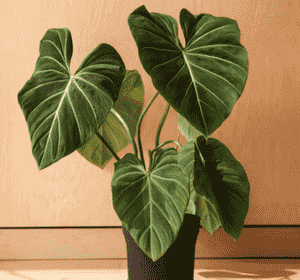
This tropical perennial is recognized for its expansive, soft leaves. Maintain Philodendron gloriosum by detaching yellowed or compromised leaves near the base and shortening elongated stems to foster a more compact form. The ideal period for this task is during the active growth phases from spring to autumn, when the plant exhibits peak robustness. Trimming stimulates vigor and can improve air movement, thereby lowering the likelihood of infestations and illnesses. Disinfect instruments prior to use to avert contamination.
What Are the Benefits of Pruning Philodendron Gloriosum?
What Are the Benefits of Pruning Philodendron Gloriosum?
Trimming philodendron gloriosum promotes robust development by eliminating dead or congested foliage, enhancing light penetration and air circulation. It assists in managing the plant's dimensions and form for visual appeal and peak vitality.
What Is the Best Time for Pruning Philodendron Gloriosum?
What Is the Best Time for Pruning Philodendron Gloriosum?
The optimal time for pruning philodendron gloriosum is during spring or early summer, as these periods align with the plant's active growth phase. Pruning at this time stimulates vigorous growth because the plant is emerging from winter dormancy and prepared to channel energy into new development. By trimming philodendron gloriosum when it's actively growing, cuts heal more quickly, reducing the risk of disease or pest infestation. Furthermore, pruning before the intense heat of late summer lessens stress on philodendron gloriosum, contributing to a healthier, more manageable plant. It's crucial to avoid fall pruning since the plant slows its growth in preparation for dormancy, and fresh cuts might not heal before cooler weather, potentially harming the plant.
What Tools Do I Need to Prune Philodendron Gloriosum?
Sharp bypass pruning shears
Perfect for making clean, precise cuts on philodendron gloriosum's stems, bypass shears inflict less damage to plant tissues compared to anvil-type pruners.
Disinfectant for pruning tools
To prevent disease transmission, it is essential to sanitize the shears before and after use on philodendron gloriosum.
Gardening gloves
Protects the gardener's hands from potential irritation when handling philodendron gloriosum and ensures a better grip on the pruning shears.
How to Prune Philodendron Gloriosum
Clean Tools
Sanitize pruning tools with alcohol or a bleach solution to prevent disease spread and ensure clean cuts on philodendron gloriosum.
Inspect Plant
Examine philodendron gloriosum closely to identify diseased leaves, withered leaves, dead branches, and diseased branches that require removal.
Trim Diseased Leaves
Carefully snip off diseased leaves at the base of their stems, avoiding damage to healthy parts of philodendron gloriosum.
Remove Withered Leaves
Gently remove any yellow or brown withered leaves by cutting them at the stem base to maintain the aesthetic of philodendron gloriosum and redirect its energy.
Prune Branches
Cut dead or diseased branches close to the main stem or a healthy leaf node to encourage philodendron gloriosum's growth and prevent further decline.
Common Pruning Mistakes with Philodendron Gloriosum
Over-Pruning
Removing excessive foliage can stress philodendron gloriosum, as it diminishes the plant's capacity for photosynthesis and hinders growth.
Cutting Too Close
Trimming too near the main stem can create wounds, leaving philodendron gloriosum vulnerable to infections and pests.
Using Dirty Tools
Failure to sterilize pruning shears can introduce diseases to philodendron gloriosum, compromising the plant's health.
Ignoring Dead Leaves
Neglecting to remove dead or yellowing leaves can impede philodendron gloriosum's energy focus on new growth and can invite disease.
Pruning Healthy Leaves
Mistakenly cutting healthy leaves limits philodendron gloriosum's growth and can alter its natural shape.
Ignoring Node Location
Not cutting just above a leaf node can result in poor regrowth or dieback on philodendron gloriosum.
Incorrect Humidity After Pruning
Maintaining improper humidity levels after pruning can affect philodendron gloriosum's ability to recover and regrow.
Common Pruning Tips for Philodendron Gloriosum
Sharp Clean Tools
Ensure pruning tools are sharp and cleaned with alcohol to make clean cuts and minimize disease transfer to philodendron gloriosum.
Pruning Dead Or Damaged Leaves
Regularly remove dead or damaged leaves to improve airflow and direct energy into healthier growth and flowering on philodendron gloriosum.
Cutting Technique
Snip above a leaf node to encourage new growth. Cut at a 45-degree angle to prevent water accumulation, which could cause rot.
Preserving Aesthetics
When shaping philodendron gloriosum, follow its natural growth pattern for a balanced look without compromising plant health.
Careful Leaf Removal
Trim only the necessary leaves while ensuring that philodendron gloriosum retains most of its foliage for photosynthesis.
Regular Inspection
Regularly inspect philodendron gloriosum for signs of overgrowth or crowding that may necessitate pruning.
Post-Pruning Care
After pruning, mist philodendron gloriosum to maintain humidity and support recovery, especially if indoor air is dry.



