How to Prune Blushing philodendron?
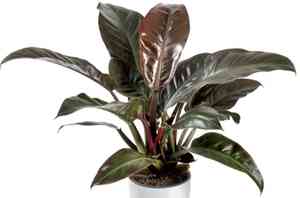
The blushing philodendron, a popular aroid, is valued for its cordate foliage and trailing nature. To foster a denser form, trim just above a leaf node with sterile, sharp scissors. The best times are early spring or late autumn, enabling recuperation during active growth phases. Eliminating discolored or compromised leaves enhances both vitality and appearance. Consistent trimming deters excessive growth and can spur more robust leaf development, preserving the plant's decorative charm.
What Are the Benefits of Pruning Blushing Philodendron?
What Are the Benefits of Pruning Blushing Philodendron?
Trimming blushing philodendron promotes vigorous development and maintains its desired form. It eliminates old or overgrown foliage, allowing for a more controlled and attractive appearance while enhancing air circulation, which deters pests and diseases.
What Is the Best Time for Pruning Blushing Philodendron?
What Is the Best Time for Pruning Blushing Philodendron?
In early spring, blushing philodendron emerges from dormancy and begins its active growth phase, making it an ideal period to shape the plant and stimulate new development. Pruning at this time allows the plant to heal quickly and allocate its energy to producing fresh foliage. Late fall is suitable for trimming any leggy or overgrown sections before the plant enters its resting period, which can lead to a more robust resurgence in the subsequent growing season. These seasons avoid the stress of extreme temperatures on blushing philodendron, ensuring that cuts heal optimally and the plant maintains good health throughout its growth cycle.
What Tools Do I Need to Prune Blushing Philodendron?
Precision Pruners or Scissors
Given the delicate nature of blushing philodendron's leaves and stems, precision pruners or high-quality scissors are perfect for making clean cuts without harming the plant. It's important to snip just above a leaf node to encourage healthy growth.
Disinfectant for Tools
Sanitizing pruning tools before and after use with a disinfectant like rubbing alcohol or a household cleaner ensures that pathogens are not transferred to blushing philodendron. This is crucial for maintaining the plant's well-being.
Gloves
Blushing philodendron sap might cause skin irritation in sensitive individuals. Wearing gloves while pruning is advisable to protect the skin from potential irritation from the sap.
How to Prune Blushing Philodendron
Step1: Tool Sanitization
Sanitize your pruning tools before beginning to trim blushing philodendron to prevent the spread of disease. Use rubbing alcohol or a household disinfectant to thoroughly clean the blades of shears or scissors.
Step2: Plant Health Inspection
Examine blushing philodendron for any indications of pests or diseases before starting to prune, as these issues should be addressed separately prior to trimming.
Step3: Damaged Stem Removal
Start by removing damaged stems by cutting them where they connect to a main stem or branch. Make the cut clean and as close to the main stem as possible without harming the main structure of blushing philodendron.
Step4: Yellow Leaf Removal
Identify and remove any yellow leaves, which often signal overwatering or nutrient deficiency. Gently pull the yellow leaf downwards, and it should detach easily. If it doesn't, use pruning shears to snip the leaf where the base of the leaf's stem meets the larger branch or the main stem.
Step5: Wilted Branch Pruning
Prune back any wilted branches that are beyond recovery by cutting them at the point where healthy tissue meets the wilted section. This cut should be angled slightly to allow water to run off and prevent disease.
Step6: Shape and Density Correction
After removing damaged, diseased, or dead sections, consider the overall shape of blushing philodendron. If it appears lopsided or too dense in certain areas, make selective cuts to remove some of the denser foliage. Aim to cut just above a leaf node to encourage branching.
Step7: Aesthetic Pruning
Assess the overall health and appearance of blushing philodendron once the damaged and diseased material has been removed. Prune any additional stems or leaves that detract from the plant's aesthetics while keeping in mind its natural growth habit.
Step8: Post-Prune Tool Cleaning
Clean your tools after finishing the pruning process to ensure they are ready for the next use and to avoid spreading any potential contamination to other plants.
Step9: Trimmed Material Disposal
Discard or compost all trimmed material properly after completing the pruning. Avoid leaving any plant debris around blushing philodendron as it could harbor pests or disease.
Step10: Post-Pruning Care
After pruning, water blushing philodendron if the soil feels dry to the touch and apply a balanced, water-soluble fertilizer to support new growth, being sure to follow product instructions.
Step11: Growth Monitoring
Monitor blushing philodendron over the following weeks for new growth. Pruning can stimulate blushing philodendron to produce new, healthy foliage, and it's important to ensure it has the right conditions to thrive, such as adequate light and humidity.
Post-Pruning Care for Blushing Philodendron
Post-Pruning Care for Blushing Philodendron
Immediately after trimming blushing philodendron, maintain high humidity and indirect light to minimize stress; avoid direct sun. Keep temperatures between 65-78 degrees Fahrenheit. Water blushing philodendron with balanced, diluted fertilizer to encourage new growth. Regularly check for wilted leaves or rot as indicators of stress. If detected, adjust care and consult a specialist if necessary. Ensure a consistent environment to promote blushing philodendron's recovery and robust growth.
Common Pruning Mistakes with Blushing Philodendron
Over-pruning leads to plant stress and damage
Trimming blushing philodendron too severely, which can lead to stress and harm to the plant. It is crucial to avoid removing too much foliage at once.
Dull and dirty tools cause jagged cuts and disease
Using dull or unsanitized pruning tools, which can result in jagged cuts and introduce pests or diseases to blushing philodendron.
Improper tearing harms plant and increases infection risk
Tearing or pulling leaves instead of making clean cuts, which can harm blushing philodendron by creating larger wounds that are more susceptible to infection.
Common Pruning Tips for Blushing Philodendron
Clean cuts with sterilized shears for healthy healing
Use sharp, sterilized pruning shears to make clean cuts on blushing philodendron, ensuring a smooth healing process and reducing the chance of disease.
Remove dead foliage to enhance aesthetics and growth
Focus on removing dead or yellowing leaves from blushing philodendron to maintain its aesthetics and redirect energy to healthier growth.
Prune above leaf nodes for bushier plant growth
Cut just above a leaf node when pruning blushing philodendron to encourage new branches and foliage, resulting in a fuller and bushier appearance.



