How to Prune Queen's wreath?
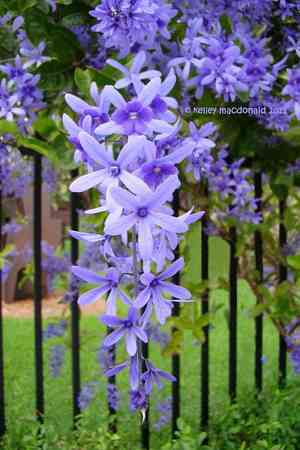
A tropical climbing plant recognized for its flowing bunches of violet blossoms, queen's wreath flourishes with precise trimming. To preserve its form and stimulate flowering, perform pruning in late winter or early spring, prior to the emergence of new shoots. Shorten elongated branches, eliminate deceased or injured wood, and sculpt the plant to facilitate air circulation and light exposure. Consistent pruning fosters a more vibrant floral exhibition and thick, thriving leaves, simultaneously preventing excessive growth and improving the plant's aesthetic charm.
What Are the Benefits of Pruning Queen's Wreath?
What Are the Benefits of Pruning Queen's Wreath?
Trimming queen's wreath promotes robust development and maintains its desired form. Strategic cutting back stimulates new, healthy shoots, leading to a denser and more appealing display. Regular pruning also ensures queen's wreath doesn't exceed its allocated space, enhancing garden beauty.
What Is the Best Time for Pruning Queen's Wreath?
What Is the Best Time for Pruning Queen's Wreath?
Pruning queen's wreath in late winter or early spring is optimal, as this timing allows for the removal of any frost damage sustained during winter before the new growth cycle commences. It encourages healthier, more vigorous growth and ensures energy is directed towards spring and summer blooms. Late winter pruning revitalizes queen's wreath by eliminating old or diseased wood, thus preserving plant shape and size. Early spring pruning aligns with the start of queen's wreath's active growth phase, minimizing plant stress and maximizing potential for strong new growth and flower production.
What Tools Do I Need to Prune Queen's Wreath?
Hand Pruners or Secateurs
Perfect for cutting through small to medium branches of queen's wreath, providing precision for trimming back overgrown or dead stems.
Loppers
Useful for reaching higher branches and offering the leverage needed to prune thicker stems that hand pruners cannot easily cut.
Pruning Saw
Essential for removing mature stems or thicker branches of queen's wreath. A saw helps in making clean cuts on wood too large for loppers.
Gloves
Protects the gardener's hands from potential scratches or irritations while pruning queen's wreath, especially when handling stems with rough textures or sharp edges.
Safety Glasses
Shields the gardener's eyes from debris when cutting branches of queen's wreath, ensuring a safer pruning experience.
How to Prune Queen's Wreath
Clean Tools
Sanitize pruning shears with rubbing alcohol or a bleach solution to prevent the spread of disease to queen's wreath.
Identify
Inspect queen's wreath closely to locate diseased or withered leaves that require removal. Look for leaves with abnormal spots, discoloration, or a dry, brittle appearance.
Cut Diseased Leaves
Using the sterilized pruning shears, carefully cut any diseased leaves at their base where they meet the stem. Be careful not to harm the stems or healthy leaves.
Cut Withered Leaves
Similarly, remove withered leaves by cutting them at the base to promote healthier growth and improve air circulation around queen's wreath.
Dispose
Properly dispose of the trimmed diseased and withered leaves by placing them in a garbage bag or burning them to prevent the spread of pathogens in the garden.
Common Pruning Mistakes with Queen's Wreath
Overpruning
Removing too much of queen's wreath's growth at once, which can stress the plant and lead to poor growth or reduced flowering.
Improper Cutting
Cutting too close to the main stems or at an inappropriate angle, which may damage the plant and hinder its natural growth pattern.
Neglecting To Disinfect
Failing to disinfect pruning tools before use can spread disease between plants, potentially harming queen's wreath.
Pruning At Wrong Time
Although the best season is not to be mentioned, pruning at incorrect times can impede queen's wreath's growth cycles and flowering periods.
Ignoring Dead Or Diseased Wood
Not removing dead or diseased branches, which can lead to rot and disease spread, affecting queen's wreath's overall health.
Common Pruning Tips for Queen's Wreath
Sharp Tools
Use sharp, clean pruning shears to make clean cuts that heal quickly, reducing the risk of disease.
Selective Pruning
Prune selectively, removing only dead or weak branches to shape queen's wreath and promote more vigorous growth and flowering.
Angle Of Cuts
Make cuts at a 45-degree angle to prevent water from accumulating on the cut surface, reducing the risk of disease.
Follow Growth Pattern
Understand and follow queen's wreath's natural growth pattern when pruning to maintain its structure and encourage blooming.
Healthy Growth Promotion
Focus on thinning out dense areas to improve air circulation and light penetration, which is essential for promoting healthy growth and vibrant flowers.



