How to Prune Oriental penthorum?
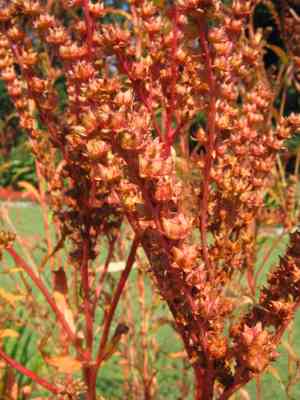
This enduring herb flourishes in moist conditions and is recognized for its robust characteristics. For oriental penthorum, trimming is best performed mainly in the spring or early summer to preserve its form and stimulate fresh development. Eliminate any withered or compromised stems and reduce the plant by as much as one-third to foster a denser look. Consistent removal of faded blossoms can additionally encourage more flowering. Trimming improves air movement and the plant's well-being, lessening the chance of illness.
Advantages of Trimming Oriental Penthorum
Advantages of Trimming Oriental Penthorum
Trimming oriental penthorum promotes robust development and assists in preserving its desired form. This action can lead to a denser, healthier specimen, while also ensuring it doesn't exceed its allocated garden space.
Optimal Period for Pruning Oriental Penthorum
Optimal Period for Pruning Oriental Penthorum
Pruning in Spring coincides with the start of oriental penthorum's active growth phase. This timing ensures quick healing of cuts and new growth that helps shape the plant. Pruning in Early Summer can help manage size and encourage bushier growth by removing any excessive or leggy stems that emerged during late spring. Additionally, this timing avoids cutting back the plant in late summer to autumn, when it prepares for dormancy and could be more vulnerable to damage if pruned too late.
Necessary Tools for Pruning Oriental Penthorum
Bypass Pruners
Perfect for making clean cuts on the green stems of oriental penthorum, minimizing harm to plant tissues.
Gardening Shears
Useful for shaping and managing the overall look of oriental penthorum by neatly trimming its foliage.
Pruning Saw
Recommended for removing any thicker, woody stems oriental penthorum may have developed over time for healthy growth.
Long-Handled Loppers
Suitable for reaching into denser areas of oriental penthorum without causing undue strain on the gardener.
Garden Gloves
Essential for safeguarding the gardener's hands from cuts and scratches while handling oriental penthorum.
Steps to Prune Oriental Penthorum
Identify and clean
Locate diseased or withered leaves and stems on oriental penthorum. Clean and sanitize your pruning shears before making any cuts to prevent disease spread.
Remove diseased leaves
Carefully snip off diseased leaves from oriental penthorum at their base where they meet the stem. Make a clean cut to avoid tearing, which could create entry points for pests or diseases.
Prune withered leaves
Trim any withered leaves on oriental penthorum at the point where they join the stem or at the base of the rosette, if applicable, to encourage healthy new growth.
Cut diseased stems
For any diseased stems on oriental penthorum, prune back to the point of healthy tissue, ensuring to make the cut just above a leaf node or a lateral branch.
Disposal and care
Dispose of all pruned material away from oriental penthorum to prevent reinfection or infestation. Clean your tools after finishing, and monitor the plant for signs of recovery or further issues.
Common Pruning Errors with Oriental Penthorum
Excessive Pruning
Removing too much foliage from oriental penthorum can stress the plant, hinder its growth, and diminish its vitality. It might be tempting to shape aggressively, but it's vital to remember that this plant only requires a moderate trim to maintain its form and promote health.
Incorrect Cut Placement
Making cuts either too close or too far from the node can result in damage or stunted growth. Pruning should be done just above the node where leaves and buds form, without leaving a long stub that can invite disease.
Using Dull Tools
Employing blunt pruning tools can cause tearing or crushing of oriental penthorum's stems, which can lead to infection and damage. Sharp, clean tools create a precise cut that heals more rapidly and reduces stress on the plant.
Neglecting Diseased Material
Failing to remove diseased or dead material can allow infections to persist and spread throughout oriental penthorum. Always remove unhealthy plant material promptly and disinfect tools after cutting into diseased sections.
General Pruning Advice for Oriental Penthorum
Clean tools
Always use clean, sharp pruning shears or scissors. Disinfect tools before and after use on oriental penthorum to prevent the spread of disease. This will ensure precise cuts and reduce the chance of infection.
Selective pruning
Focus on selective pruning of oriental penthorum to encourage better air circulation, light penetration, and growth habit. Remove only the necessary parts, such as dead or overgrown stems, without stripping the plant excessively.
Aesthetic shaping
Prune oriental penthorum to maintain its natural form. Target leggy, overgrown, or out-of-place stems to enhance its appearance and promote a more compact, bushy structure that supports healthy flowering.
Health maintenance
Regularly inspect oriental penthorum and trim away any diseased, damaged, or dead growth. This practice maintains not only the plant's appearance but also its overall health, encouraging fresh growth in the process.



