How to Prune Baccharisleaf beardtongue?
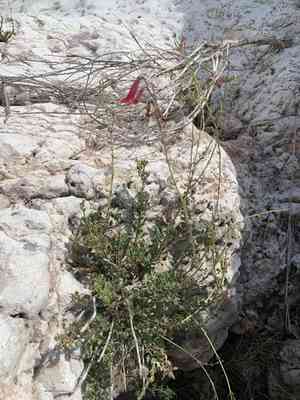
Baccharisleaf beardtongue, recognized for its vivid crimson tubular blossoms and bushy structure, thrives best with trimming performed in late winter or early spring. This period encourages robust development and blooming. Concentrate on eliminating deceased or ailing branches and sculpting the plant to preserve its inherent shape. Consistent pruning improves air circulation and light exposure, diminishing the likelihood of illness. Always employ sanitized, keen implements for accurate incisions.
What Are the Benefits of Pruning Baccharisleaf Beardtongue?
What Are the Benefits of Pruning Baccharisleaf Beardtongue?
Trimming baccharisleaf beardtongue promotes strong development and helps maintain its form. It boosts blooming, enhances air flow to prevent illnesses, and manages plant size for a neat look. Regular trimming supports overall plant health and resilience.
What Is the Best Time for Pruning Baccharisleaf Beardtongue?
What Is the Best Time for Pruning Baccharisleaf Beardtongue?
Pruning baccharisleaf beardtongue in early spring or late winter is optimal because, at this time, the plant is either inactive or just starting to emerge from dormancy. Pruning during dormancy minimizes stress and allows for better shape and structure control before significant new growth begins. Additionally, this timing helps encourage healthy and vigorous regrowth when the plant enters its active growth phase in spring. Avoid pruning during the flowering or active growing seasons as it can interfere with flower development and overall plant health.
What Tools Do I Need to Prune Baccharisleaf Beardtongue?
Hand Pruners (Bypass Pruners)
These are perfect for making clean cuts on stems and branches up to 1/2 inch thick. They are precise and cause less harm to the stems of baccharisleaf beardtongue.
Pruning Shears
Useful for trimming smaller, more delicate stems and leaves. Pruning shears allow for precise trimming and shaping of baccharisleaf beardtongue.
Loppers
For thicker branches up to 1 inch in diameter. Loppers provide the leverage needed for clean cuts on the stronger, woody branches of baccharisleaf beardtongue.
Gloves
Protect hands from sharp tools and potential irritants from the plant itself. Essential for safely managing baccharisleaf beardtongue's pruning process.
Sanitizing Solution
Important for cleaning tools before and after use to prevent the spread of diseases. Maintaining tool hygiene is crucial for the health of baccharisleaf beardtongue.
How to Prune Baccharisleaf Beardtongue
Identify
Examine baccharisleaf beardtongue to locate any diseased or withered leaves. Carefully note their positions on the plant.
Tools
Prepare sharp, clean pruning shears to ensure precise cuts and minimize the risk of spreading disease.
Diseased leaves
Cut diseased leaves close to their base but ensure you do not damage the surrounding healthy tissue. Dispose of the removed diseased leaves immediately to prevent contamination.
Withered leaves
Trim withered leaves by cutting them at their base or where they connect to the stem. Ensure the plant retains a natural shape after removal.
Cleanup
After pruning, clean your tools with a disinfectant solution to prevent the spread of any potential pathogens to other plants.
Common Pruning Mistakes with Baccharisleaf Beardtongue
Over-pruning
Removing too much foliage at once can stress baccharisleaf beardtongue, leading to poor growth and reduced flowering. It's crucial to prune moderately and selectively.
Improper cuts
Making jagged or uneven cuts can damage stems and leave the plant vulnerable to diseases and pests. Ensure you use sharp, clean tools to make precise cuts.
Ignoring dead or damaged parts
Not removing dead, diseased, or damaged parts can lead to the spread of disease and pest infestation. Always inspect the plant closely before pruning.
Pruning at the wrong angles
Cutting too close to a node or at the wrong angle can inhibit proper healing and growth. Aim for a 45-degree angle cut, just above a bud or lateral shoot.
Lack of knowledge about growth habits
Not understanding baccharisleaf beardtongue's natural growth patterns can result in improper shaping and reduced aesthetic value. Familiarize yourself with how the plant grows naturally.
Common Pruning Tips for Baccharisleaf Beardtongue
Use clean, sharp tools
Always use sterilized and sharp pruners or shears to make clean cuts, reducing the risk of infection and ensuring precise trimming.
Start with dead or damaged areas
Begin pruning by removing any dead, diseased, or damaged branches to promote healthy growth and prevent the spread of disease.
Prune selectively
Focus on thinning out congested areas to improve air circulation and sunlight penetration, which encourages robust growth and flowering.
Shape gradually
Instead of making drastic changes, gradually shape baccharisleaf beardtongue over several pruning sessions. This reduces stress on the plant and helps maintain its natural form.
Monitor and adjust
Regularly check the plant's response to pruning and adjust your techniques as needed. Responding to the plant's growth patterns ensures continued health and vitality.



