How to Prune Sweet granadilla?
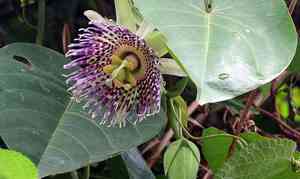
Renowned for its sugary, pip-filled produce and robust tendrils, sweet granadilla thrives with consistent trimming to sustain its well-being and boost yield. Essential methods involve reducing crowded foliage and eliminating lifeless or ailing matter. The most effective time for pruning is in early spring or late winter, enabling sweet granadilla to recuperate and prosper during the cultivation period. Trimming guarantees sufficient illumination and airflow, which is vital for minimizing pathogen threats and fostering the plant's energetic development.
What Are the Benefits of Pruning Sweet Granadilla?
What Are the Benefits of Pruning Sweet Granadilla?
Trimming sweet granadilla promotes robust development and preserves its desired form. It can boost flowering and fruiting by eliminating excess or dead parts, allowing better light and air penetration. Regular trimming helps control sweet granadilla's size, enhancing both plant vitality and visual appeal.
What Is the Best Time for Pruning Sweet Granadilla?
What Is the Best Time for Pruning Sweet Granadilla?
Trimming sweet granadilla in late winter and early spring coincides with its dormant phase, before the new growth cycle. During this period, the plant's sap is not actively circulating, which lessens stress and the chance of disease spread. Timely trimming in late winter allows for the removal of dead or damaged vines before the growth surge, providing a fresh start for new development. Meanwhile, early spring trimming is crucial for shaping the plant, encouraging healthy new vines, and improving air circulation within the plant's structure. This timing also ensures that pruning won't interfere with the subsequent flowering and fruiting period, giving the plant ample time to recover and direct its energy into fruit production.
What Tools Do I Need to Prune Sweet Granadilla?
Hand Pruners
Perfect for making precise cuts on sweet granadilla's smaller stems and essential for thinning out dense growth to ensure proper airflow and sunlight access.
Pruning Saw
An appropriate choice for cutting through sweet granadilla's old, thickened stems or branches that hand pruners cannot handle, providing a clean cut without harming the plant.
Loppers
Offer leverage to trim medium-sized stems and branches of sweet granadilla with their long handles, simplifying access into the plant's thick growth structure.
Gardening Gloves
Protective for the gardener when handling sweet granadilla, ensuring a safe process during trimming to prevent any potential irritation from the plant's sap or accidental cuts.
Pruning Snips
Useful for deadheading and shaping sweet granadilla, allowing for accuracy when removing spent flowers and fruit to encourage further blooming and healthier growth.
How to Prune Sweet Granadilla
Disinfect Tools
Before beginning, ensure all trimming tools are clean and sanitized to prevent the spread of disease to sweet granadilla.
Identify Diseased Leaves
Carefully inspect sweet granadilla and pinpoint any diseased leaves showing signs of infection or decay.
Remove Diseased Leaves
Using sharp pruning shears, carefully remove diseased leaves by cutting them at the stem's base. Avoid tearing or damaging healthy tissue.
Identify Withered Leaves
Examine sweet granadilla for any withered or dead leaves that no longer contribute to its growth or appearance.
Trim Withered Leaves
Cut off the withered leaves at the point where they connect to the stem or main branch. Do so in a way that preserves sweet granadilla's natural shape.
Common Pruning Mistakes with Sweet Granadilla
Over Pruning
Removing too much foliage at once can stress sweet granadilla, leading to reduced growth and fewer flowers.
Pruning Too Close
Cutting too near the main stem or a leaf node can harm sweet granadilla and introduce disease.
Uneven Pruning
Sweet granadilla can experience uneven growth patterns if trimmed asymmetrically, which could result in an unbalanced canopy and poor fruit set.
Ignoring Dead Material
Failing to remove dead or diseased wood can hinder sweet granadilla's overall health and impede new growth.
Common Pruning Tips for Sweet Granadilla
Sharp Tools
Using sharp, clean pruning shears will ensure clean cuts and help prevent disease in sweet granadilla.
Selective Cutting
Focus on removing only the necessary parts of sweet granadilla, including dead or diseased wood, weak growth, or excessive vegetative shoots.
Appropriate Intensity
Trim sweet granadilla with a moderate intensity to maintain plant structure and encourage new growth without overstressing the plant.
Follow Growth Patterns
Sweet granadilla's growth habits should guide trimming; cut just above leaf nodes where new shoots can form and maintain the plant's natural shape.
Cleaning Wounds
After trimming, it's beneficial to clean any large wounds on sweet granadilla to promote healing and reduce the risk of infection.



