How to Prune Cape leeuwin wattle?
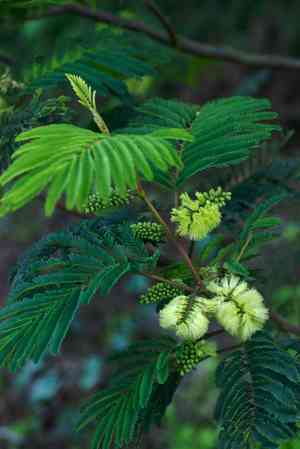
This rapidly developing evergreen bush features brilliant yellow blossoms. For cape leeuwin wattle, trim to sculpt and manage its dimensions subsequent to blooming, generally in the colder months. Eliminate any lifeless or impaired limbs and thin out congested sections to enhance light access and air circulation. Execute precise cuts with sharpened implements. Trimming aids cape leeuwin wattle by stimulating fresh development, preserving an appealing structure, and diminishing the chance of ailments. Appropriate seasonal timing guarantees recuperation and optimizes the capacity for flowering in the subsequent period.
What Are the Benefits of Pruning Cape Leeuwin Wattle?
What Are the Benefits of Pruning Cape Leeuwin Wattle?
Trimming cape leeuwin wattle promotes robust growth, helping to maintain the plant's desired shape and dimensions. This practice prevents excessive growth, ensuring the plant remains visually appealing and well-proportioned within the landscape.
What Is the Best Time for Pruning Cape Leeuwin Wattle?
What Is the Best Time for Pruning Cape Leeuwin Wattle?
Pruning cape leeuwin wattle in late winter is beneficial because the plant is dormant then. Dormancy means the plant's growth is temporarily paused, making it an ideal time for pruning without causing undue stress to cape leeuwin wattle. This timing also protects cuts from harsh winter conditions, which could lead to damage or disease. Additionally, by pruning before spring, cape leeuwin wattle can direct energy to new growth, allowing pruning cuts to heal more quickly. This can also help prevent sap loss, which is less common in dormant plants. Furthermore, shaping cape leeuwin wattle before its rapid spring growth ensures energy isn't wasted on branches that will be removed, and supports its overall health and vitality. Avoid pruning cape leeuwin wattle during or immediately after its flowering or fruiting periods, as this could remove developing buds or fruit and diminish the plant's display or yield.
What Tools Do I Need to Prune Cape Leeuwin Wattle?
Hand Pruners
Perfect for making clean cuts on cape leeuwin wattle's smaller branches. Use bypass pruners for a precise cut that encourages healthy regrowth.
Lopping Shears
Designed with long handles for increased leverage, excellent for cutting thicker branches of cape leeuwin wattle that hand pruners cannot manage.
Pruning Saw
A pruning saw is essential for cutting through cape leeuwin wattle's large branches. Select a saw with a curved blade to match branch contours and ensure a smooth cut.
Hedge Shears
Cape leeuwin wattle may need its dense foliage shaped. Hedge shears are suitable for uniformly trimming and shaping the hedge.
Pole Pruner
For cape leeuwin wattle's higher, out-of-reach branches, a pole pruner offers the necessary extension to prune without a ladder.
How to Prune Cape Leeuwin Wattle
Clean Tools
Before pruning cape leeuwin wattle, ensure all pruning tools are clean and sharp. This helps prevent disease spread and facilitates cleaner cuts, aiding the plant's healing process.
Inspection
Carefully examine cape leeuwin wattle, identifying dead branches and those showing signs of disease. Look for changes in color, texture, or the presence of pests and fungal growth as indicators of unhealthy limbs.
Prune Dead
Using your pruners, selectively remove all dead branches from cape leeuwin wattle. Cut at a 45-degree angle, away from the main stem, to promote water runoff and reduce the risk of disease entering the pruning wound.
Prune Diseased
Prune any diseased branches from cape leeuwin wattle in the same manner as dead branches, ensuring to cut well below the affected area to remove all diseased tissue.
Disinfect Tools
After pruning cape leeuwin wattle, disinfect all tools used to prevent pathogen transmission to other plants or back to cape leeuwin wattle in future pruning. Wipe tools with alcohol or a bleach solution.
Common Pruning Mistakes with Cape Leeuwin Wattle
Over-Pruning
Removing too much foliage at once, which can stress cape leeuwin wattle and lead to poor growth or disease.
Improper Cuts
Making cuts too close or too far from nodes, which can hinder cape leeuwin wattle's healing and new growth.
Using Dull Tools
Pruning with dull tools can result in jagged cuts that are more vulnerable to pest and disease entry.
Neglecting Tool Hygiene
Failing to clean tools before and after use can spread disease among plants.
Shaping Without Understanding Growth Pattern
Pruning cape leeuwin wattle without considering its natural growth habit can lead to an unbalanced shape or reduced flowering.
Common Pruning Tips for Cape Leeuwin Wattle
Sharp And Clean Tools
Use sharp, clean pruning shears to make precise cuts, which help cape leeuwin wattle heal faster and reduce disease risk.
Know Node Placement
Understand the location of nodes on cape leeuwin wattle to make accurate cuts that will encourage desired growth patterns.
Thin Out Crowded Areas
Remove selected branches to improve air circulation and light penetration, which can enhance cape leeuwin wattle's overall health.
Cut At The Right Angle
Make cuts at a 45-degree angle facing away from the nearest bud, which allows water to run off and reduces the risk of rot.
Gradual Shaping
Shape cape leeuwin wattle gradually over several seasons rather than all at once to maintain plant health and vigor.



