How to Prune Broad-leaved panic grass?
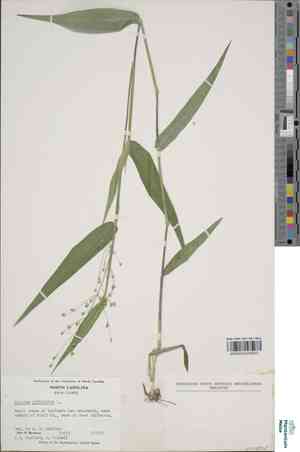
Panicum dichotomiflorum, recognized for its wide foliage and strong development, thrives with trimming to preserve its form and stimulate energetic growth. The most suitable period for pruning is typically in early spring or during winter prior to the appearance of new sprouts. Consistent cutting aids in preventing excessive growth and fosters a more compact leaf structure. Furthermore, eliminating aged or deceased leaves can enhance the plant's general well-being and aesthetic, facilitating improved air movement and light access throughout the plant.
What Are the Benefits of Pruning Broad-leaved Panic Grass?
What Are the Benefits of Pruning Broad-leaved Panic Grass?
Trimming broad-leaved panic grass encourages strong development and preserves its desired form, ensuring it stays healthy and visually appealing in garden settings.
What Is the Best Time for Pruning Broad-leaved Panic Grass?
What Is the Best Time for Pruning Broad-leaved Panic Grass?
For broad-leaved panic grass, it's best to prune during early spring and winter because the plant is dormant then. In early spring, just before new growth starts, pruning helps remove dead or diseased parts and shapes the plant, directing energy to healthy new growth. Winter pruning is also good because it's easier to see the plant's structure without leaves, reducing stress on broad-leaved panic grass and helping it rejuvenate stronger in the next growing season. These methods match broad-leaved panic grass's growth cycle, greatly improving its health and strength, lowering disease risk, and promoting vigorous growth in spring and summer.
What Tools Do I Need to Prune Broad-leaved Panic Grass?
Sharp Bypass Pruners
These pruners are perfect for making clean, precise cuts on the thin stems of broad-leaved panic grass, encouraging healthy regrowth and maintaining the plant's shape. Bypass pruners operate like scissors, with two sharp blades passing each other, minimizing damage to plant tissues.
Grass Shears
For trimming and shaping the finer, lower foliage of broad-leaved panic grass, grass shears offer precision and ease. Their small, sharp blades allow for tight control over the shape, which is crucial for preserving the aesthetic appeal of broad-leaved panic grass's ground-level grassy clumps.
Handheld Pruning Saw
For older, woodier stems that broad-leaved panic grass might develop as it matures, a small pruning saw can be effective. It allows for cutting through thicker stems that bypass pruners might not handle effectively, preventing tearing or uneven cuts.
How to Prune Broad-leaved Panic Grass
Identify
Inspect broad-leaved panic grass closely to find any diseased or withered leaves. Look for signs of discoloration, spots, holes, or other abnormalities on the leaf surface.
Prepare
Get your tools ready for pruning. Use sharp, clean shears or scissors. Sterilize cutting equipment with alcohol before and after pruning to prevent disease spread.
Trim leaves
Carefully remove diseased and withered leaves. Make clean cuts at the base of affected leaves, being careful not to harm the healthy parts of broad-leaved panic grass.
Dispose
Properly discard the trimmed parts. Do not compost diseased material as it can spread pathogens. Dispose of it in a way that minimizes any risk of reintroducing the problem to broad-leaved panic grass.
Maintain
After trimming, regularly monitor broad-leaved panic grass for further signs of distress or disease. Continue to manage soil health and moisture to prevent future outbreaks of disease and maintain robust growth.
Common Pruning Mistakes with Broad-leaved Panic Grass
Overpruning
Removing too much foliage from broad-leaved panic grass can weaken the plant, reducing its vigor and resilience. Novice gardeners often make the error of excessive pruning, which can lead to sparse growth and reduced flowering.
Improper technique
Using dull or unclean pruning tools can damage the stems of broad-leaved panic grass, potentially leading to pest infestations or disease. Both experienced and novice gardeners should ensure their tools are sharp and sanitized before pruning.
Removing healthy growth
A common mistake is removing healthy shoots and leaves which are essential for photosynthesis and overall health. Gardeners should focus on removing only dead or diseased parts to maintain the plant's vitality.
Common Pruning Tips for Broad-leaved Panic Grass
Selective pruning
Concentrate on thinning out crowded areas to improve air circulation and light penetration throughout broad-leaved panic grass. This encourages robust growth and enhances flowering, making it a crucial practice for maintaining the health of the plant.
Post-flowering trimming
Trimming broad-leaved panic grass after it has finished flowering helps prevent it from becoming leggy and unmanageable. This type of maintenance pruning fosters a compact, aesthetically pleasing habit and promotes healthier, denser growth in the following seasons.
Habitual inspection
Regularly inspect broad-leaved panic grass for any signs of dead or diseased stems and foliage. Removing these promptly will keep the plant healthy and visually appealing, while also preventing the spread of disease within your garden.



