How to Prune American Ginseng?
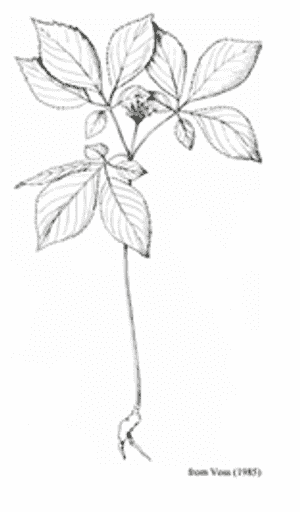
American Ginseng, a herbaceous perennial valued for its therapeutic roots, needs only light trimming to eliminate withered or discolored foliage. Deliberately thin out leaves in the spring to encourage better airflow. In the summer, snip off faded flower stems to redirect energy towards root expansion. Exercise caution when pruning, as over-cutting can diminish root strength and subsequent year's development. Proper pruning improves the plant's overall health and the caliber of the root harvest, which is crucial for american Ginseng's application in health practices.
What Are the Benefits of Pruning American Ginseng?
What Are the Benefits of Pruning American Ginseng?
Trimming american Ginseng promotes robust development and helps maintain its desired form, ensuring the plant's energy is directed toward cultivating a strong root system and healthy leaves.
What Is the Best Time for Pruning American Ginseng?
What Is the Best Time for Pruning American Ginseng?
Trimming american Ginseng during late winter to early spring is most advantageous as it coincides with the plant's dormant phase. This timing precedes the start of the new growth cycle, helping to stimulate development, prevent stress on the plant, and lower the risk of disease. It also ensures minimal disruption to the flowering and fruiting processes that typically occur in summer for american Ginseng. By pruning during this period, gardeners can remove dead or damaged material from the previous year without affecting the plant's vigor and output.
What Tools Do I Need to Prune American Ginseng?
Small Hand Pruners
These are perfect for making precise cuts on american Ginseng's delicate stems without causing unnecessary harm to the plant.
Pruning Shears
Sharp pruning shears are ideal for cutting through american Ginseng's stems that are less than half an inch thick. They provide a clean cut to help prevent disease.
Gloves
Since american Ginseng may have small thorns or sharp edges, wearing gloves can protect the gardener's hands during the trimming process.
How to Prune American Ginseng
Sterilize
Disinfect pruning tools with alcohol or a bleach solution to prevent spreading diseases when cutting american Ginseng.
Diseased Leaves
Carefully remove any diseased leaves from american Ginseng by cutting them at the base where they connect with the stem, ensuring not to harm healthy tissue.
Withered Leaves
Snip off withered or yellowing leaves from american Ginseng at their base to encourage healthy growth and air circulation, which can reduce the likelihood of disease.
Diseased Stems
Cut back diseased stems on american Ginseng to healthy tissue, making cuts at a 45-degree angle to aid healing and prevent water accumulation.
Disposal
Discard all removed diseased and withered material away from american Ginseng to prevent any potential reinfection or spread of disease.
Common Pruning Mistakes with American Ginseng
Over-pruning
Removing too much foliage from american Ginseng at once can stress the plant, potentially reducing its vitality and ability to produce flowers and seeds.
Incorrect cuts
Making cuts that are either too close to the main stem or too far away can lead to disease or decay in american Ginseng.
Using dull tools
Trimming american Ginseng with dull tools can result in jagged cuts that make the plant more susceptible to disease and pests.
Pruning healthy growth
Mistakenly cutting away healthy growth instead of just removing dead or diseased foliage can inhibit american Ginseng's growth and productivity.
Ignoring plant structure
Failing to consider the natural habit and growth pattern of american Ginseng when pruning may lead to an unbalanced and weakened plant.
Common Pruning Tips for American Ginseng
Sanitizing tools
Before pruning american Ginseng, thoroughly clean and disinfect all pruning tools to prevent the spread of disease.
Sharp cuts
Make clean, sharp cuts on american Ginseng's foliage to promote faster healing and reduce the risk of disease.
Selective pruning
Carefully select which parts of american Ginseng to prune, focusing on removing only the dead or diseased foliage to maintain the plant's health and structure.
Retaining growth points
While pruning american Ginseng, ensure to preserve enough growth points to foster new growth and flowering in the next season.
Follow natural shape
Prune american Ginseng in a way that maintains its natural shape and structure, enhancing its appearance while promoting healthy growth.



