How to Prune Slender panicgrass?
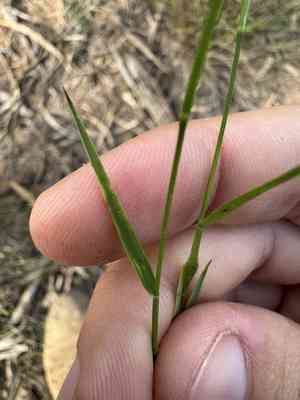
Slender panicgrass, recognized for its delicate and extended leaves, flourishes with judicious trimming. To boost its development and strength, perform pruning in early spring or during winter, prior to the emergence of new growth. Remove any lifeless or frail stalks to preserve a neat look and encourage proper air movement. For slender panicgrass specifically, this method averts excessive density and strengthens its defense against infestations and illnesses, resulting in a hardier specimen. Pruning at times other than these can cause stress to slender panicgrass, impeding its progress.
What Are the Benefits of Pruning Slender Panicgrass?
What Are the Benefits of Pruning Slender Panicgrass?
Trimming slender panicgrass promotes robust development and helps maintain an appealing form. By selectively removing overgrown or dead sections, slender panicgrass can direct energy to healthier areas, fostering strong growth. This practice also enables gardeners to manage the size and shape of slender panicgrass, ensuring it enhances the landscape visually.
What Is the Best Time for Pruning Slender Panicgrass?
What Is the Best Time for Pruning Slender Panicgrass?
Pruning slender panicgrass in early spring is advantageous as it's often when the plant emerges from dormancy, beginning new growth after winter. This allows gardeners to shape the plant and encourage desired new growth. Removing dead or damaged parts before rapid spring growth ensures the plant's energy is directed towards healthy new shoots. Additionally, potential pests or diseases that could thrive on plant debris are reduced before multiplying in warmer weather. Winter pruning also benefits slender panicgrass as the plant is typically dormant, minimizing stress and reducing sap loss common in actively growing specimens. This season is suitable for major structural changes or size reduction without negatively impacting the plant's vigor during its active growth phase.
What Tools Do I Need to Prune Slender Panicgrass?
Hand pruners or clippers
These are perfect for trimming and shaping slender panicgrass, offering precise cuts and easy handling. Suitable for cutting through the relatively thin stems typical of slender panicgrass.
Grass shears
Grass shears are especially useful for slender panicgrass as they are designed for trimming grass and soft foliage, matching the plant's characteristics. They allow close cutting to the ground without harming nearby plants.
Pruning saw
For older or larger slender panicgrass specimens that might have thicker stems, a pruning saw can make clean cuts through dense growth without compromising the plant's overall health.
How to Prune Slender Panicgrass
Clean tools
Before pruning slender panicgrass, sanitize all pruning tools with a solution of one part bleach to nine parts water to prevent disease spread.
Inspect plant
Thoroughly examine slender panicgrass to identify all diseased and withered leaves that could harm its health or impede growth.
Remove diseased leaves
Carefully snip off diseased leaves at their base where they meet the stem, ensuring a clean cut to avoid damage to the remaining healthy tissue.
Remove withered leaves
Cut back withered leaves to the base in a similar manner, which will also stimulate fresh growth and improve air circulation.
Dispose of debris
Discard all pruned material far from slender panicgrass, especially diseased leaves, to lessen the risk of infection spreading in the garden.
Common Pruning Mistakes with Slender Panicgrass
Overpruning
Removing too much foliage at once can stress slender panicgrass, hindering its ability to photosynthesize and grow correctly.
Improper tool usage
Using dull or unclean cutting tools can damage slender panicgrass's delicate stems, leading to poor cuts and increased susceptibility to diseases.
Neglecting dead material removal
Failing to remove dead or dying foliage compromises slender panicgrass's appearance and health, as it can harbor pests and diseases.
Pruning actively growing segments
Cutting back slender panicgrass during its active growth period can interrupt its natural development cycle and reduce its vigor.
Ignoring plant structure
Not considering the natural shape and growth pattern of slender panicgrass can result in an unbalanced appearance and impede its growth.
Common Pruning Tips for Slender Panicgrass
Sharp and clean tools
Always use sharp, clean pruning shears or scissors to make clean cuts that will heal quickly and minimize stress to slender panicgrass.
Identify then cut
Examine slender panicgrass carefully to identify which parts need pruning, focusing on dead or damaged foliage and any overgrown or misshapen areas.
Gradual pruning approach
Prune slender panicgrass gradually, removing no more than one-third of the total foliage at a time to avoid shocking the plant.
Cut at the base
Make cuts close to the base of the targeted stem, ensuring not to leave stubs that can attract pests or cause rot.
Consistent maintenance
Regularly inspect slender panicgrass for any signs of dead or damaged growth and remove it promptly to maintain plant health and aesthetics.



