How to Prune Zhejiang hop-hornbeam?
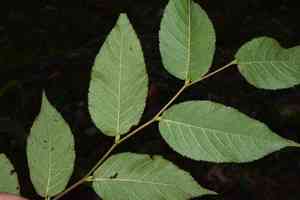
The Zhejiang hop-hornbeam, a deciduous tree recognized for its decorative bark and fruit resembling hops, thrives with consistent trimming to preserve its vitality and structure. Essential pruning methods involve reducing dense branches, eliminating deceased or ailing wood, and sculpting the crown to facilitate superior air movement and light exposure. The most effective time for pruning is in late winter or early spring, prior to the emergence of new foliage. Trimming the Zhejiang hop-hornbeam can improve its visual appeal and stimulate strong development, leading to a well-formed and sturdy specimen.
What Are the Benefits of Pruning Zhejiang Hop-hornbeam?
What Are the Benefits of Pruning Zhejiang Hop-hornbeam?
Trimming zhejiang hop-hornbeam promotes robust development and maintains its form. It allows the plant to establish a strong framework, enhance light penetration, and distribute resources more effectively.
What Is the Best Time for Pruning Zhejiang Hop-hornbeam?
What Is the Best Time for Pruning Zhejiang Hop-hornbeam?
The optimal periods for pruning zhejiang hop-hornbeam are late winter and early spring. These times are ideal because the plant is still dormant, meaning active growth has not yet begun. Pruning during this phase minimizes plant stress and lowers the chance of disease entering through cut surfaces. Additionally, zhejiang hop-hornbeam's structure is more visible without leaves, enabling more accurate cuts. Late winter pruning revitalizes zhejiang hop-hornbeam by removing old or dead wood, ensuring the plant's energy is directed towards healthy spring growth. Early spring pruning is perfect as it coincides with the start of the growth cycle, encouraging vigorous new growth, and if done before blooming, it will not affect the plant's ability to produce flowers or fruit later in the season.
What Tools Do I Need to Prune Zhejiang Hop-hornbeam?
Hand Pruners
Excellent for making clean cuts on small branches and twigs of zhejiang hop-hornbeam, typically under 1/2 inch in diameter. Bypass pruners are particularly recommended for live branches to encourage healthy regrowth.
Loppers
These are perfect for cutting branches up to 1 1/2 inches thick. Their long handles provide the necessary leverage to prune zhejiang hop-hornbeam's thicker branches that hand pruners cannot manage.
Pruning Saw
For zhejiang hop-hornbeam branches exceeding 1 1/2 inches in thickness, a pruning saw is essential. A saw with a curved blade can simplify the task, ensuring a clean cut without harming the tree.
Pole Pruner
For higher branches of zhejiang hop-hornbeam that are out of reach from the ground, a pole pruner can be used to trim without a ladder, thereby reducing the risk of injury during pruning.
How to Prune Zhejiang Hop-hornbeam
Identify
Examine zhejiang hop-hornbeam closely to locate all dead or diseased branches. Look for limbs that show no signs of green, flexible growth or that have marks indicating disease, such as discoloration, fungus, or unusual swelling.
Sanitize
Before making any cuts, properly disinfect your pruning tools to prevent disease spread. Use a solution of 1 part bleach to 9 parts water or an appropriate disinfectant to clean the blades.
Cut Dead Branches
Use sharp, clean pruning shears to cut dead branches. Cut just above where the dead tissue ends and healthy tissue begins, ideally just above a branching point or bud, being careful not to damage the collar—the swollen area at the base of the branch.
Cut Diseased Branches
Remove diseased branches by cutting well below the infected area. Make the cut at the nearest healthy intersection point, ensuring no diseased tissue remains.
Dispose
Dispose of the removed branches responsibly, far from healthy zhejiang hop-hornbeam plants to prevent any potential disease spread. Do not compost diseased material. Clean your tools again after pruning to prepare them for future use.
Common Pruning Mistakes with Zhejiang Hop-hornbeam
Overpruning
Removing too much foliage or too many branches at once can stress zhejiang hop-hornbeam, leading to stunted growth or a weakened structure.
Improper Cut Locations
Cutting too far from a bud or node can leave unsightly stubs and encourage disease, while cutting too close can damage the bud and hinder new growth.
Using Dull Tools
Pruning with dull tools can create jagged cuts that are more vulnerable to pests and diseases, and impede the plant's healing process.
Pruning Healthy Wood
Unnecessarily cutting away healthy branches can reduce the plant's vigor and diminish its ornamental appeal.
Neglecting Sanitation
Not sterilizing tools between cuts and plants can spread diseases. Tools should be cleaned to prevent transmitting pathogens to zhejiang hop-hornbeam.
Ignoring Plant Form
Failure to consider the natural shape and growth habit of zhejiang hop-hornbeam can result in an unattractive appearance and potentially harm the plant's structural integrity.
Tearing Bark
Making an incorrect pruning cut can result in bark tearing, which can create open wounds susceptible to disease and pests.
Common Pruning Tips for Zhejiang Hop-hornbeam
Selective Thinning
Remove specific branches entirely to improve air circulation and allow light to penetrate the canopy. This promotes healthy growth and reduces the risk of disease for zhejiang hop-hornbeam.
Cutting Angle
When pruning, make clean cuts at a 45-degree angle, slanting away from the bud to facilitate water runoff and prevent rot.
Timing Of Cuts
Prune zhejiang hop-hornbeam to shape and maintain structure, but avoid excessive pruning at any one time to minimize stress and vulnerability.
Tool Maintenance
Use sharp, clean, and appropriate pruning tools to make precise cuts that zhejiang hop-hornbeam can heal quickly from, reducing disease risk.
Pruning To A Bud
Always prune just above an outward-facing bud or node when shortening branches to guide the new growth outwards and prevent inward-growing branches.
Deadwood Removal
Regularly remove dead, diseased, or damaged branches from zhejiang hop-hornbeam to maintain plant health and to encourage more flowers and dense foliage.
Balance Between Renewal And Retention
Strive for a balance, retaining enough old wood to sustain the plant while pruning enough new growth to stimulate healthy new shoots.



