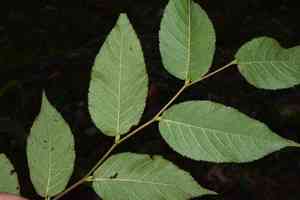
Zhejiang hop-hornbeam (Ostrya rehderiana)
Also known as: Rehder's hop-hornbeam, Ostrya rehder, Rare Hornbeam
The Zhejiang hop-hornbeam (Ostrya rehderiana) is a critically endangered deciduous tree native to Zhejiang Province, China. With only five specimens remaining in the wild, it faces a severe risk of extinction. This tree, which belongs to the birch family, can reach heights of up to 15 meters and features simple, serrated leaves.
In This Article
Attributes of Zhejiang hop-hornbeam
Lifespan
Perennial
Plant Type
Tree
Plant Height
18 m to 21 m
Spread
5 to 6 meters (16 to 20 feet)
Leaf Color
Green
Flower Size
5 cm to 10 cm
Flower Color
Yellow Green
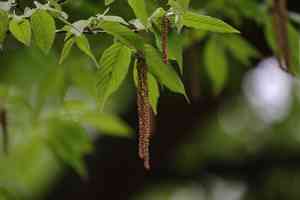
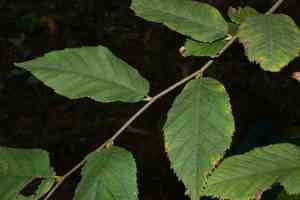
Images of Zhejiang hop-hornbeam
Quickly Identify Zhejiang hop-hornbeam
1
To identify Ostrya rehderiana, look for its alternate, simple leaves with serrated edges, and hop-like fruiting catkins. The bark is grayish and peels in thin strips. It can be confused with other Hornbeam species, so examining the fruit and leaf structure closely is essential.
Scientific Classification of Zhejiang hop-hornbeam
Phylum
Vascular plants
Class
Dicotyledons
Order
Beeches, walnuts, and allied trees
Family
Birch
Genus
Hop-hornbeams
Species
Zhejiang hop-hornbeam
Planting and Growing of Zhejiang hop-hornbeam
Care Difficulty
Easy
Watering Schedule
Every 2 days
Sunlight Requirements
Partial sun
Sunshine Duration
4-8 hours
Ideal Temperature
60-75℉
Soil Type
Potting Mix, Peat Mix
Soil pH
6.5-7.5
Fertilizer Type
Balanced
Pruning Season
Spring, Summer
Pruning Area
Branches, Leaves
Pruning Frequency
Once a year
Repotting Season
Spring
Pot Type
Plastic, Ceramic
 How to Water Zhejiang hop-hornbeam?
The ideal watering amount for Ostrya rehderiana is about 500 milliliters per session, ensuring the soil is evenly moist but not waterlogged. This volume allows the water to penetrate the root zone effectively without pooling at the base. Aim to water until you see a slight runoff from the pot's drainage holes.
What are the symptoms of an underwatered Zhejiang hop-hornbeam?
›
What should I do if my Zhejiang hop-hornbeam is not getting enough water?
›
What are the symptoms of an overwatered Zhejiang hop-hornbeam?
›
How to save an overwatered Zhejiang hop-hornbeam?
›
 What Are the Sunlight Requirements for Zhejiang hop-hornbeam?
Ostrya rehderiana prefers conditions ranging from partial sun to full shade. This range supports healthy leaf pigmentation and robust overall growth, mimicking its native under-canopy habitat for best results.
More About Sunlight Requirements Techniques→
How much sunlight does Ostrya rehderiana need?
›
What are the signs that the lighting is ideal?
›
How can I ensure my plant gets the right amount of light?
›
 What Is the Ideal Temperature Range for Zhejiang hop-hornbeam?
The ideal temperature range for Ostrya rehderiana is between 60°F and 75°F. This range supports optimal growth and development, ensuring the plant can photosynthesize efficiently and repair tissues effectively. Maintaining these temperatures helps the plant avoid stress and boosts its overall vigor, which is crucial for its longevity.
 What Soil is Best for Zhejiang hop-hornbeam?
Ostrya rehderiana favors well-drained soils, as waterlogged areas can lead to root rot. An adequate drainage system prevents excessive moisture retention, promoting healthy root development and ensuring the tree receives sufficient oxygen through its roots. This species thrives in nutrient-rich soils. Ensuring the soil is fertile boosts the tree's growth and vitality, providing essential nutrients that enhance leaf color, wood strength, and resistance to diseases. Ostrya rehderiana prefers soil with moderate moisture retention. This balances the need for regular hydration with the risk of overwatering, ensuring the plant remains hydrated without becoming waterlogged.
 How to Fertilize Zhejiang hop-hornbeam?
Ostrya rehderiana requires balanced nutrient levels for optimal growth. When applying liquid fertilizer, use 1 tablespoon per gallon of water and ensure that it's diluted properly to avoid root burn. For slow-release fertilizer, use about 2 pounds for every 100 square feet around the tree’s base.
 How to Prune Zhejiang hop-hornbeam?
Begin pruning at the base, removing any suckers or low-hanging limbs that crowd the trunk. This step enhances air circulation and light penetration, fostering a healthier environment for the tree. Follow the tree's natural growth pattern while trimming to maintain its aesthetic appearance. Avoid over-pruning; removing more than one-third of the tree's foliage at once can stress the plant and stunt growth.
More About Pruning Techniques→
 How to Propagate Zhejiang hop-hornbeam plant?
1
Begin by soaking the seeds in warm water for 24 hours to soften the seed coat, which facilitates germination. Ensure they are rinsed thoroughly before planting to remove any potential pathogens.
2
Select young, healthy branches that are roughly 15 cm long. Make sure the cuttings have several sets of leaves but remove the lower leaves to reduce water loss during the rooting process.
3
Plant seeds in a well-draining potting mix, covering them lightly with soil. For cuttings, dip the cut end in rooting hormone and insert into moist propagation mix. Keep the medium moist but not waterlogged, and position in indirect sunlight.
 How to Repot Zhejiang hop-hornbeam plant?
1
The perfect time to repot Ostrya rehderiana is when you notice roots emerging from the drainage holes. This indicates that the plant has outgrown its current pot and requires more space. Additionally, stunted growth or reluctance to flower can also be signals that it's time for a new pot.
2
Select a pot that is one size larger than the current one, with sufficient drainage holes. A ceramic or terracotta pot is ideal as they allow excess moisture to escape, preventing root rot. This ensures the plant has room to grow while maintaining healthy root conditions.
3
Opt for a well-draining loamy mix that can retain sufficient moisture without becoming waterlogged. The inclusion of organic matter will provide essential nutrients, promoting vigorous growth and a robust root system. This mixture ensures that the plant receives the right balance of moisture and air.



