How to Prune East asian ostericum?
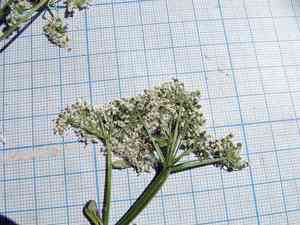
Given its resilient nature and unique leaves, east asian ostericum thrives with judicious trimming to preserve its form and encourage robust development. Remove spent or lifeless leaves in early Spring, and gently sculpt it during Summer if required. Refrain from extensive cutting to safeguard its sturdy root network. Trimming enhances air movement and plant vigor, providing cultivators with a neater look and more powerful, flourishing specimens.
Advantages of Trimming East Asian Ostericum
Advantages of Trimming East Asian Ostericum
Trimming east asian ostericum promotes robust new development and helps maintain its desired shape, ensuring it stays visually appealing and thriving. Regular cutting back can prevent excessive growth and foster a stronger structure.
Optimal Time for Pruning East Asian Ostericum
Optimal Time for Pruning East Asian Ostericum
Pruning in Spring allows gardeners to remove any winter-damaged stems from east asian ostericum, encouraging new growth and enhancing air circulation vital for the plant's well-being. Early Summer pruning is effective for east asian ostericum if additional shaping is needed after initial spring growth. This period also follows the first flush of growth, making it a suitable time to thin out or reduce any overgrowth to maintain an attractive form. These seasons align with east asian ostericum's growth cycle, ensuring the plant has ample time to recover before entering dormancy in autumn and winter. This timing also avoids disrupting east asian ostericum's flowering or fruiting cycle, which is crucial for plant reproduction and enjoying its beauty.
Tools Required for Pruning East Asian Ostericum
Bypass Hand Pruners
Perfect for making clean cuts on east asian ostericum's stem thickness, bypass pruners operate like scissors and are less likely to harm the plant's delicate tissues.
Long-Handled Loppers
For reaching into denser areas of east asian ostericum without straining the gardener, loppers with extended handles provide the necessary leverage for thicker stems.
Gardening Shears
For shaping east asian ostericum and managing its spread, gardening shears allow for precise cuts on softer foliage and smaller stems.
Hand Saw
If east asian ostericum has any older, woodier stems, a hand saw is suitable for cutting through thick growth that hand pruners cannot handle.
How to Prune East Asian Ostericum
Sanitize tools
Before beginning the pruning process, sterilize all cutting implements using a solution of 1 part bleach to 9 parts water or rubbing alcohol to prevent the spread of disease to east asian ostericum.
Remove diseased leaves
Carefully trim off all affected leaves from east asian ostericum using clean, sharp pruning shears, cutting at the base of the leaf stem to avoid damaging healthy tissue.
Prune withered leaves
Identify and remove any withered or dead leaves by gently pulling them away from the stem or using pruning shears if they resist easy removal, ensuring you do not pull off any healthy growth.
Cut diseased stems
Examine east asian ostericum for diseased stems and remove them by making a clean cut with pruning shears above a healthy set of leaves or bud to promote new growth. Be sure to cut at a 45-degree angle to prevent water accumulation on the cut surface.
Common Pruning Errors with East Asian Ostericum
Excessive pruning
Removing too much foliage from east asian ostericum can stress the plant, leading to poor growth and reduced vigor. Aim to prune no more than one-third of the plant at one time.
Incorrect cut placement
Cutting too far from a bud, or leaving a stub above a bud, may result in dieback or disease entry. Cuts should be made just above buds that face outward to encourage an open growth habit.
Neglecting tool hygiene
Using dirty pruning tools can introduce pathogens, potentially leading to disease in east asian ostericum. Always sanitize tools before use.
Inconsistent pruning
Pruning without a clear plan can result in uneven growth or damage to east asian ostericum's natural shape. Study the plant's structure before making any cuts.
General Pruning Advice for East Asian Ostericum
Selective thinning
Thinning out crowded stems improves air circulation and light penetration throughout east asian ostericum, promoting healthy growth and reducing the risk of disease.
Deadheading spent blooms
Regularly remove dead flowers to encourage more blooming and maintain east asian ostericum's aesthetic appeal. Snip the spent blooms back to the first set of healthy leaves.
Maintenance pruning
Regularly remove any dead, damaged, or diseased wood from east asian ostericum to maintain plant health. Make the cuts at a slightly downward angle to prevent water accumulation.
Encouraging new growth
Light pruning can stimulate new growth in east asian ostericum. Focus on cutting back the previous year's growth to a set of good buds in the spring.



