How to Prune Nipa palm?
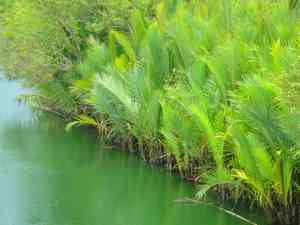
This particular mangrove variety flourishes in littoral zones, recognized by its distinctive palm-like aesthetic. Effective trimming for nipa palm entails excising withered or compromised fronds and floral stems to enhance development and fruit yield. This task is ideally performed from late winter to early spring, coinciding with the plant's inactive phase. Trimming not only encourages fresh growth but also discourages infestations and ailments. Consistent upkeep guarantees a sturdy framework and improves the general well-being of nipa palm.
What Are the Benefits of Pruning Nipa Palm?
What Are the Benefits of Pruning Nipa Palm?
Trimming nipa palm promotes robust development by eliminating dead or overcrowded leaves, improving air circulation, and aiding better nutrient uptake. Consistent shaping through pruning keeps nipa palm well-formed, fostering a more attractive look.
What Is the Best Time for Pruning Nipa Palm?
What Is the Best Time for Pruning Nipa Palm?
Pruning nipa palm in late winter or early spring is advantageous as it coincides with its dormant phase before the growing season begins. Trimming at this time minimizes stress and allows the plant to recover effectively in preparation for new growth. Pruning before the fresh growth spurt of early spring ensures energy is directed towards the healthy development of new fronds and flowers. Additionally, removing dead or damaged material now prevents the potential spread of diseases and pests that may be active in warmer weather. Seasonal consideration also involves avoiding pruning during active growth periods or when the plant is under environmental stress from extreme conditions, ensuring plant vigor and optimal health.
What Tools Do I Need to Prune Nipa Palm?
Long-reach pruners
These are perfect for nipa palm due to its height, enabling gardeners to trim fronds beyond normal reach without needing ladders.
Heavy-duty pruning saw
For older, tougher fronds and to manage the thick trunk of nipa palm, a robust saw is essential for cutting through denser material.
Loppers
They provide leverage for medium-sized fronds, delivering a clean cut without excessive force, which is useful for nipa palm's fibrous fronds.
Pruning shears
These are suitable for precise work and trimming smaller, younger growth on nipa palm to maintain its appearance and encourage healthy development.
Safety gear (gloves, eye protection)
To guard against sharp edges and potential debris from nipa palm, as its sap can also cause irritation.
Garden knife
Crucial for detailed tasks, such as removing diseased parts from nipa palm, and can be used to cut through smaller, softer tissue.
How to Prune Nipa Palm
Sanitize Tools
Before pruning, disinfect all cutting implements with isopropyl alcohol or a 10% bleach solution to prevent disease transmission to nipa palm.
Identify
Carefully inspect nipa palm to locate diseased and withered leaves. Look for any discoloration, spots, or signs of decay as indicators of unhealthy foliage.
Prune Diseased
Using sharp pruning shears, carefully remove diseased leaves from nipa palm by cutting at the base where the leaf stem meets the trunk, ensuring a clean cut without harming healthy tissue.
Prune Withered
Similarly, trim off withered leaves from nipa palm, which are typically brown or yellow and dry. Cut these leaves at the base to promote better air circulation and light penetration for the remaining healthy foliage.
Dispose
Properly dispose of all removed materials from nipa palm. Do not compost diseased or withered leaves as they could spread pathogens; instead, discard them in the trash.
Common Pruning Mistakes with Nipa Palm
Over-Pruning
Removing too many fronds can stress nipa palm, hindering its growth. Nipa palm stores energy in its fronds, and excessive removal can deplete its resources.
Pruning Healthy Fronds
Cutting healthy, green fronds instead of just the dead or damaged ones may unnecessarily weaken nipa palm.
Improper Tools
Using dull or dirty pruning tools can cause jagged cuts, increasing the risk of infection and disease in nipa palm.
Uninformed Cuts
Pruning nipa palm without understanding its growth pattern can lead to ineffective or harmful cuts, negatively impacting the plant's health and appearance.
Ignoring Protective Gear
Failing to wear protective gloves and eyewear can result in injuries from nipa palm's sharp fronds during pruning.
Common Pruning Tips for Nipa Palm
Selective Removal
Focus on removing only dead or dying fronds from nipa palm, as well as any that are significantly damaged or diseased, to maintain plant health.
Clean Cuts
Make sure to use sharp, clean pruning shears for cutting nipa palm's fronds, ensuring a smooth cut that will heal quickly and reduce the risk of disease.
Cutting Angle
Cut the fronds of nipa palm at a slight angle, away from the main stem, to prevent water accumulation that could cause rot or fungal growth.
Tool Maintenance
Regularly disinfect pruning tools before and after tending to nipa palm to prevent the spread of disease between plants.
Safety Precautions
Always wear protective gloves and eyewear when pruning nipa palm to protect against sharp edges and potential eye irritants.



