How to Prune Tropical royal-blue waterlily?
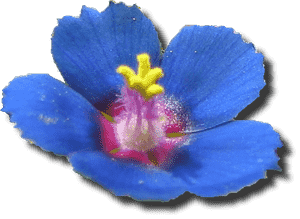
A tropical aquatic perennial celebrated for its striking azure blooms, the tropical royal-blue waterlily flourishes in calm aquatic environments. Maintenance includes routinely eliminating faded flowers and deceased or discolored foliage to foster robust development and flowering. The most suitable periods for this care extend from spring to autumn, aligning with its vigorous growth cycles. This trimming stimulates fresh development and hinders the buildup of organic matter, thereby preserving water purity and averting the dissemination of ailments. Swiftly clearing away surplus leaves guarantees sufficient light exposure and mitigates congestion.
What Are the Advantages of Trimming Tropical Royal-blue Waterlily?
What Are the Advantages of Trimming Tropical Royal-blue Waterlily?
Trimming tropical royal-blue waterlily promotes abundant flowering and robust development. It assists in preserving its desired form and dimensions, enhancing plant vitality and visual appeal.
When Is the Optimal Time for Trimming Tropical Royal-blue Waterlily?
When Is the Optimal Time for Trimming Tropical Royal-blue Waterlily?
Trimming tropical royal-blue waterlily is best performed in the Spring and Summer when the plant is actively growing. This timing supports foliage regeneration and encourages more blooms. During Spring and early Summer, tropical royal-blue waterlily can recover more quickly from pruning. It also aligns with the post-bloom cycle, preventing potential stress that could lead to reduced vigor or flowering. Pruning in Fall is not advised as it can make tropical royal-blue waterlily vulnerable to cold damage, given it needs time to establish new growth before dormant periods.
What Equipment Do I Need to Trim Tropical Royal-blue Waterlily?
Long-Handled Pond Shears
These enable the gardener to reach into the pond without getting wet, simplifying the removal of old leaves or spent flowers of tropical royal-blue waterlily from the pond's edge.
Aquatic Plant Clippers
Specifically designed for underwater use, these clippers aid in making precise cuts below the surface, crucial for eliminating dead or diseased foliage from tropical royal-blue waterlily without significantly disturbing the plant or water.
Gloves
Waterproof gloves safeguard hands from wet conditions when trimming tropical royal-blue waterlily, as some gardening tasks may require reaching into the water.
How to Trim Tropical Royal-blue Waterlily
Sanitize tools
Before beginning, ensure all trimming tools are clean and sharp to prevent disease spread and achieve accurate cuts.
Remove diseased foliage
Identify and eliminate any diseased or damaged leaves from tropical royal-blue waterlily by cutting at the stem's base. Properly dispose of these leaves to avoid water contamination.
Trim withered leaves
Cut back any withered or yellowing leaves to their base to stimulate new growth and maintain tropical royal-blue waterlily's appearance. Snip stems at or just below the waterline.
Deadhead blooms
Remove spent blossoms by cutting the flower stem below the water's surface to encourage further flowering and prevent potential rot.
Maintain form
Regularly inspect tropical royal-blue waterlily for excessive growth and remove surplus foliage to control its size and shape, ensuring the plant doesn't overcrowd the space and hinder other water garden plants.
Common Trimming Errors with Tropical Royal-blue Waterlily
Excessive trimming
Removing too many pads or flowers can stress tropical royal-blue waterlily, impairing its ability to photosynthesize and potentially leading to diminished health and fewer blooms.
Rough cuts
Making jagged or uneven cuts can lead to disease and decay. Clean cuts are vital for maintaining tropical royal-blue waterlily's health.
Trimming new growth
Cutting new pads or buds can restrict the flowering potential and overall display of tropical royal-blue waterlily.
Neglecting dead material
Failing to regularly remove dead or decaying material can result in decomposing matter in the water, which may negatively affect water quality and tropical royal-blue waterlily's well-being.
Incorrect cut placement
Cutting too close or too far from the base of the pad stem can harm tropical royal-blue waterlily or lead to ineffective removal of the desired material.
General Trimming Advice for Tropical Royal-blue Waterlily
Utilize appropriate tools
Employ sharp, clean tools specifically designed for aquatic plants. Proper tools ensure precise cuts and minimize the risk of infection for tropical royal-blue waterlily.
Focus on dead or dying material
Regularly remove dead or dying pads and spent flowers to preserve the health and appearance of tropical royal-blue waterlily. This also stimulates new growth.
Trim for shape
Carefully trim to maintain a desirable shape and size, ensuring tropical royal-blue waterlily's display is aesthetically pleasing without compromising its health.
Clean up after trimming
Remove all trimmed material from the water to prevent decay and maintain water quality, which is crucial for the health of tropical royal-blue waterlily.
Gentle approach
Be delicate when handling tropical royal-blue waterlily during trimming to avoid unnecessary damage to healthy pads and fragile roots.



