How to Prune Rambutan?
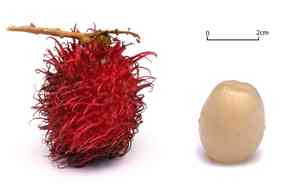
The rambutan, a tropical evergreen tree renowned for its succulent, lychee-like fruit, benefits significantly from regular trimming. Essential methods involve reducing dense branches to improve light exposure and airflow. Eliminating deceased, injured, or diseased branches preserves the plant's vitality and strength. Performing pruning after the spring harvest aligns with the plant's natural development, encouraging fresh growth for future seasons. Precise cuts deter the ingress of pathogens, and pruning ultimately leads to larger fruit, increased production, and simpler harvesting for this particular species.
What Are the Benefits of Pruning Rambutan?
What Are the Benefits of Pruning Rambutan?
Trimming rambutan encourages more abundant yields and robust growth, ensuring the tree maintains a manageable form and size for easier harvesting and upkeep.
What Is the Best Time for Pruning Rambutan?
What Is the Best Time for Pruning Rambutan?
Late spring to early summer is considered the ideal pruning period for rambutan for several reasons. Firstly, pruning at this time promotes vigorous new growth as the plant enters an active growth phase. This period typically follows rambutan's fruiting cycle, allowing gardeners to remove any diseased or unproductive branches without affecting fruit production. Additionally, the risk of pest infestation and disease is lower, as pruning wounds heal faster in warmer weather conditions. Pruning during this season also ensures that the plant has sufficient time to recover and develop strong branches that will support the next season's fruit.
What Tools Do I Need to Prune Rambutan?
Bypass Hand Pruners
For the precise trimming of smaller branches and for general upkeep, bypass hand pruners are suitable for rambutan as they create clean cuts essential for the plant's healing process.
Loppers
Given the thicker branches that rambutan might develop, loppers would be practical for branches too thick for hand pruners but not requiring a saw. They provide leverage and reach, simplifying the pruning process.
Pruning Saw
For the largest branches of rambutan, a pruning saw would be necessary. It aids in cutting through thick branches that loppers cannot handle, providing clean cuts that promote good healing.
Pole Pruner
To reach higher branches, a pole pruner would be advantageous for pruning rambutan trees without using a ladder. This ensures safety and accessibility.
Hedge Shears
If shaping is required for the rambutan, hedge shears would be useful for trimming and shaping the outer foliage to maintain the desired tree form.
How to Prune Rambutan
Sanitize
Before pruning rambutan, sanitize all pruning tools. Use alcohol or a bleach solution to prevent the spread of pests and diseases.
Identify
Inspect rambutan to identify dead or diseased branches. Look for branches that appear brown, dry, or show signs of fungal infection as they need to be removed.
Cut Dead Branches
Using sharp secateurs or loppers, cut dead branches back to the point of healthy tissue. Make the cut at a slight angle, about a quarter inch above a bud or branch junction.
Prune Diseased Branches
Remove diseased branches, cutting well into the healthy tissue. Dispose of these branches properly to prevent contamination in the compost or garden area.
Health Check
After pruning, monitor rambutan for signs of improved health. Regular checks will help identify any further issues early on.
Common Pruning Mistakes with Rambutan
Over Pruning
Removing too much foliage at once can stress rambutan, weakening the plant and hindering fruit production.
Improper Cuts
Incorrect cutting techniques can damage the branches of rambutan, leading to disease and pest infestation.
Neglecting Deadwood
Failing to regularly remove dead or diseased branches can impede rambutan's growth and health.
Sharpness Of Tools
Using dull pruning tools can cause jagged cuts that heal poorly and become entry points for pathogens.
Inadequate Hygiene
Not sterilizing pruning tools between uses can spread disease from one part of rambutan to another or even between different plants.
Common Pruning Tips for Rambutan
Selective Pruning
Target only the necessary branches for removal to maintain rambutan's shape and promote air circulation within the canopy.
Clean Cuts
Make clean, angled cuts to promote quick healing and minimize the risk of disease for rambutan.
Branch Collars
When removing branches, cut just outside the branch collar to avoid damaging the main trunk of rambutan.
Hydration
Ensure rambutan is well-watered after pruning to help the plant recover and reduce stress.
Disinfect Tools
Clean and disinfect pruning tools before and after use to prevent the spread of diseases in rambutan.
Remove Water Sprouts And Suckers
Regularly remove water sprouts and suckers that divert energy from the productive parts of rambutan.



