How to Prune Burflower tree?
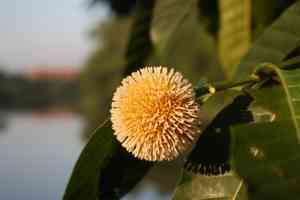
The burflower tree, recognized for its prominent foliage and aromatic blossoms, benefits significantly from pruning in its dormant winter phase. Initially, remove any deceased or ailing branches to preserve the plant's well-being and structure. Thinning cuts facilitate better light exposure and air circulation, thereby boosting flower production. Prune to manage its dimensions and to eliminate water sprouts or suckers that deplete vital nutrients. Appropriate pruning sustains its aesthetic appeal and fosters abundant flowering, which is crucial for both landscape designers and horticulturalists.
Advantages of Trimming Burflower Tree
Advantages of Trimming Burflower Tree
Trimming burflower tree promotes robust development and maintains its form, ensuring a strong framework capable of supporting abundant foliage and blooms. Regular trimming helps the plant distribute resources efficiently, enhancing its overall health and visual appeal.
Optimal Time for Pruning Burflower Tree
Optimal Time for Pruning Burflower Tree
Pruning burflower tree in late winter is ideal because it minimizes the exposure time of cuts to harsh weather, thereby reducing the risk of cold damage. This timing allows the plant to recover and heal quickly in spring. It also prevents the removal of buds that will develop into the season's leaves and flowers, which are vital for photosynthesis and the plant's energy. Furthermore, the dormant period makes it easier to view the structure without leaves, aiding in making thoughtful cuts that promote the plant's health and desired shape.
Essential Tools for Pruning Burflower Tree
Bypass Pruners
For young or slender branches of burflower tree, bypass pruners are perfect due to their ability to make clean and precise cuts, which is crucial for encouraging healthy regrowth and preventing harm to the plant.
Loppers
When dealing with branches that are somewhat thicker, typically up to 2 inches in diameter, loppers offer the necessary leverage and reach to make clean cuts without damaging burflower tree.
Pruning Saw
For the mature and larger branches of burflower tree, a pruning saw is indispensable. Its sharp teeth and sturdy blade can cut through wood too thick for loppers, ensuring a clean cut that can heal properly.
Pole Pruner
To access the higher branches of burflower tree without using a ladder, a pole pruner can be utilized. This tool typically combines a saw and a bypass cutting mechanism on an extendable pole, offering safety and convenience.
Hedge Shears
If shaping burflower tree's foliage is necessary, hedge shears are the best tool for the task. They allow for uniform trimming of dense foliage, helping to maintain the plant's desired form.
How to Prune Burflower Tree
Clean tools
Sanitize all pruning instruments before beginning to prevent the spread of disease to burflower tree.
Inspect tree
Examine burflower tree thoroughly to identify any dead or diseased branches that need removal.
Cut dead branches
Use clean, sharp tools to make precise cuts to remove dead branches on burflower tree, cutting them at their point of origin or back to a healthy lateral branch.
Remove diseased branches
Sever diseased branches from burflower tree, ensuring to remove the entire infected area and a portion of healthy tissue to eliminate the disease.
Dispose trimmed materials
Promptly discard all trimmed materials, especially diseased branches, to prevent any pathogens from reinfecting burflower tree or spreading to other plants.
Common Pruning Errors with Burflower Tree
Overpruning
Removing excessive foliage from burflower tree can shock the plant, hinder its growth, and make it susceptible to diseases. It's a common error to cut more than 25-30% of the total canopy in a single pruning session.
Improper cut locations
Making cuts too close to the trunk or leaving large stubs can lead to poor healing and invite infection. The correct method is to prune just outside the branch collar without causing damage.
Uneven pruning
Pruning burflower tree unevenly, favoring one side over the other, can result in an imbalance in the tree's structure, potentially making it less stable.
Ignoring diseased branches
Failing to prioritize the removal of diseased, damaged, or dead branches can allow infections to spread throughout burflower tree, affecting its overall health.
Pruning without sanitation
Using unsterilized tools can transmit diseases from one part of burflower tree to another or even between different plants. Always sanitize pruning equipment before and after use.
Neglecting pruning
While not considering the best season for pruning, completely neglecting to prune burflower tree when necessary can lead to a dense canopy that restricts light and air circulation, which can impact flowering and fruiting.
General Pruning Advice for Burflower Tree
Sharp tools
Always use sharp pruning tools to make clean cuts on burflower tree. This aids in faster wound healing and reduces the risk of disease entry.
Prune to shape
Prune to maintain the desired shape and size of burflower tree, removing any misplaced branches, while being careful not to overdo it.
Thinning
Thin out dense areas of the canopy to ensure that sunlight and air can penetrate through burflower tree, which is vital for the tree's health and vigor.
Cutting angle
Make cuts at a 45-degree angle to prevent water accumulation on the cut surface, which could lead to rot or fungal infections in burflower tree.
Identifying growth patterns
Understand the growth patterns of burflower tree to make strategic pruning decisions that encourage flower production. Prune in a way that maximizes the tree's natural shape.
Aftercare
After pruning burflower tree, provide appropriate aftercare, including watering, mulching, and monitoring for signs of stress or disease to ensure a swift recovery.



