How to Prune Needle-leaf navarretia?
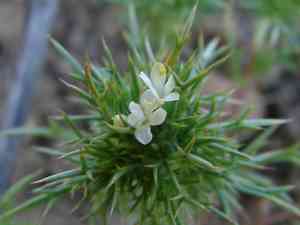
Recognized for its slender foliage and subtle blossoms, needle-leaf navarretia flourishes with meticulous trimming. The most suitable periods for pruning are in early Spring, mid-Summer, and early Fall, coinciding with its developmental stages. Essential methods involve excising deceased or injured sections and reducing density to enhance air movement. Trimming stimulates more robust blooming and preserves the plant's form. Verify that instruments are sanitized to avert illness. Appropriate pruning boosts general well-being and aesthetic appeal.
What Are the Benefits of Pruning Needle-leaf Navarretia?
What Are the Benefits of Pruning Needle-leaf Navarretia?
Needle-leaf navarretia thrives with pruning, promoting robust development and an ideal form, ensuring vigorous growth and an attractive look. Trimming aids in size management, improves air circulation, and boosts resistance to pests and diseases, fostering overall plant vitality.
What Is the Best Time for Pruning Needle-leaf Navarretia?
What Is the Best Time for Pruning Needle-leaf Navarretia?
Spring is the recommended period for pruning needle-leaf navarretia, as it marks the start of its active growth. Pruning at this time helps shape the plant and remove any dead or damaged branches, encouraging strong growth in subsequent months. Summer pruning is advantageous for managing the shape and size of needle-leaf navarretia, enabling gardeners to control its dense, spiny foliage more effectively. Fall pruning is also appropriate, preparing needle-leaf navarretia for dormancy by eliminating weak or diseased growth that could worsen in winter. These seasons are optimal because they align with needle-leaf navarretia's active and semi-active growth phases, ensuring the plant remains healthy and vibrant while minimizing stress and potential harm.
What Tools Do I Need to Prune Needle-leaf Navarretia?
Hand Pruners
Hand pruners are perfect for snipping small stems and removing spent blooms. They provide precise cuts, essential for managing needle-leaf navarretia's delicate foliage.
Snips or Floral Shears
These instruments are excellent for intricate trimming tasks. Snips or floral shears can handle the fine and complex growth patterns of needle-leaf navarretia.
Bypass Pruners
Bypass pruners are superb for making clean cuts on living stems, reducing disease risk. They are suitable for maintaining healthy growth in needle-leaf navarretia.
Pruning Knife
A pruning knife allows for sharp, controlled cuts on thinner stems and can be used for more accurate trimming, often necessary for needle-leaf navarretia.
How to Prune Needle-leaf Navarretia
Identify
Inspect needle-leaf navarretia to find dried leaves that require removal.
Sanitize
Clean your pruning shears with a disinfectant to prevent the spread of pathogens.
Cut precisely
Carefully trim the dried leaves at their base where they meet the main stem or branch, ensuring a clean cut.
Remove debris
Gather and discard the trimmed leaves to maintain plant health and prevent potential illness.
Monitor
Regularly check needle-leaf navarretia for additional dried leaves and repeat the pruning process as needed.
Common Pruning Mistakes with Needle-leaf Navarretia
Incorrect technique
Many gardeners err by using dull or unsuitable tools, leading to jagged cuts and plant damage. Always use sharp, clean pruning shears for precise cuts.
Timing errors
Pruning at an inappropriate time can stress needle-leaf navarretia and impede its development. It's crucial to avoid pruning when the plant is most vulnerable, such as during extreme weather.
Over-pruning
Removing too much foliage can weaken needle-leaf navarretia and diminish its ability to photosynthesize effectively. This can result in poor growth and reduced blooming.
Lack of sanitation
Failing to clean pruning tools between cuts can transmit diseases from one part of the plant to another, or even between plants, jeopardizing needle-leaf navarretia's health.
Improper wound care
Neglecting proper wound treatment after pruning can leave needle-leaf navarretia vulnerable to pests and diseases. Ensuring clean cuts and allowing for proper healing is vital.
Common Pruning Tips for Needle-leaf Navarretia
Use sharp tools
Always use sharp and clean pruning tools to make precise cuts. This minimizes plant damage and aids in quicker healing.
Minimal pruning
When trimming needle-leaf navarretia, aim to remove only dead or diseased sections. This reduces stress and encourages healthy growth without excessive pruning.
Proper technique
Make clean, angled cuts to help shed water and prevent rot. Avoid tearing or jagged cuts that can harm plant tissue.
Sanitation practices
Disinfect your pruning shears before and after each cut, especially when pruning multiple plants, to prevent disease transmission.
Observe plant health
Regularly check needle-leaf navarretia for signs of stress or disease and prune only when necessary. Monitor the plant post-pruning to ensure proper recovery.



