How to Prune Watercress?
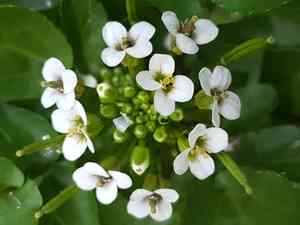
This pungent, semi-aquatic perennial flourishes in damp surroundings. For watercress, consistently remove withered or discolored foliage to stimulate dense development. Collect young, delicate stalks by severing them just above a leaf junction. The ideal period for trimming extends from early spring through late autumn, facilitating numerous yields. Trimming additionally helps avert excessive density and enhances air circulation, diminishing the likelihood of illness. Focus on preserving pristine water and substrate conditions to foster robust development after trimming.
What Are the Benefits of Pruning Watercress?
What Are the Benefits of Pruning Watercress?
Trimming watercress promotes vigorous development and maintains its desired shape. It improves plant vitality by eliminating crowded or dead stems, fostering better light penetration and air circulation.
What Is the Best Time for Pruning Watercress?
What Is the Best Time for Pruning Watercress?
Trimming watercress in early spring encourages robust growth as the plant begins a new life cycle. By cutting back old or dead growth after winter dormancy, cultivators foster healthier, more productive plants. Pruning during late summer to early fall allows for shaping and controlling the plant's size before winter, without stimulating new growth that could be harmed by frost. These periods enable gardeners to leverage watercress's growth cycle while ensuring the plant remains strong and can recover quickly without jeopardizing its health or next season's harvest.
What Tools Do I Need to Prune Watercress?
Precision Pruners
Given watercress's delicate stems, precision pruners enable careful trimming without harming the plant.
Micro-Tip Snips
Micro-tip snips are perfect for reaching into dense foliage, making it simple to selectively prune watercress without disturbing nearby plants.
Shears
Handheld shears can be utilized for harvesting or cutting back larger sections of watercress, providing clean cuts to prevent disease.
Scissors
For home gardeners, a basic pair of scissors can suffice for trimming watercress, especially for small-scale cultivation or indoor pots.
Clean and Sterilized Tools
Regardless of the tool chosen, it must be clean and sterilized to prevent the spread of disease in the sensitive environment where watercress thrives.
How to Prune Watercress
Step1: Inspect for Old, Dead, Overgrown Stems
Examine watercress for any aged, lifeless, or excessively long stems that require trimming. Old stems are those that have ceased producing leaves or are starting to become woody. Dead stems are easily identified by their brown or black color and withered appearance. Overgrown stems are longer than the majority and may be crowding other parts of the plant or extending beyond the desired area.
Step2: Sterilize Pruning Tools
Wash your hands and sanitize your pruning tools with rubbing alcohol or a 10% bleach solution to prevent the spread of disease. A pair of sharp scissors or pruning shears can be used for watercress, ensuring a clean cut.
Step3: Trim Dead Stems at Base
Cut dead stems at their base where they emerge from the main part of the plant. Be careful not to damage any new or healthy growth nearby.
Step4: Cut Back Old Stems to Node or Base
Trim old stems back to a node where a leaf meets the stem or to the plant's base, depending on the stem's condition. If the stem is partially healthy, cut above a healthy node to encourage new growth.
Step5: Prune Overgrown Stems to Match Plant
Address overgrown stems by cutting them back to a length that matches the rest of watercress's growth. Select a cutting point just above a leaf node to promote bushier growth.
Step6: Shape Plant Post-Pruning
Shape watercress by ensuring that after trimming, the plant maintains a natural appearance without any drastically uneven areas unless a specific shape is needed for garden design.
Step7: Dispose of Pruning Debris
Gather all cuttings and discard them away from the watercress to minimize the risk of pests and disease.
Step8: Water and Fertilize Post-Pruning
After trimming, water watercress thoroughly if the soil is dry and apply a balanced, water-soluble fertilizer to aid in recovery and new growth.
Step9: Monitor Plant for Post-Pruning Stress
Observe watercress in the days following for any signs of stress and continue regular care, which may include additional light trimming for shape and size maintenance.
Post-Pruning Care for Watercress
Post-Pruning Care for Watercress
Following trimming, watercress requires immediate immersion in clean water to prevent dehydration. Optimize conditions by maintaining bright, indirect sunlight, a humidity level of 90-100%, and a consistent temperature between 50-60°F for robust recovery. Initiate a balanced nutrient regimen with a higher nitrogen content to support new growth, ensuring the water remains nutrient-rich. Monitor watercress for yellowing leaves or rot, indicative of stress or infection, and adjust care as necessary to maintain health.
Common Pruning Mistakes with Watercress
Excessive Pruning Shocks Plant
Trimming watercress too severely can shock the plant and hinder future growth as well as reduce its yield.
Damaging Plants with Dull Tools
Using dull or dirty trimming tools on watercress can cause unnecessary damage to the stems and may also introduce disease to the plant.
Ignoring Dead Leaves Spreads Pests
Failing to remove yellowed or dead leaves from watercress during trimming can lead to the proliferation of pests and diseases.
Common Pruning Tips for Watercress
Sharp Shears for Healthy Cuts
Use sharp, clean shears to make precise cuts on watercress, which helps to minimize stress and damage to the plant, allowing for quicker recovery.
Prune Older Stems Sparingly
Target the older stems for trimming while ensuring to leave at least one-third of the plant intact, which promotes new growth while keeping the plant healthy.
Pinching Tips for Bushier Growth
Regularly pinching off the stem tips of watercress can encourage bushier growth, leading to a fuller plant with potentially more harvestable leaves.



