How to Prune Jonquil?
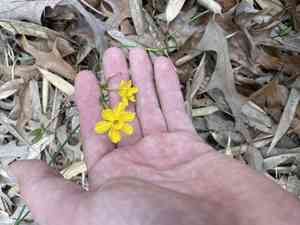
Native to grasslands and stony elevations, this perennial bulb produces groups of aromatic, yellow blossoms. For jonquil, removing dead or faded flowers after blooming improves the plant's strength and stops seed production. Cutting back the leaves is not recommended until they turn yellow, which allows nutrients to return to the bulb. The best time for pruning is in late winter or early spring, coinciding with jonquil's inactive period. Advantages of pruning involve encouraging bigger flowers and better resistance to diseases, whereas excessive pruning might reduce flowering in the subsequent season.
What Are the Benefits of Pruning Jonquil?
What Are the Benefits of Pruning Jonquil?
Trimming jonquil promotes robust, healthy development and maintains its desired shape. Strategic cuts encourage new, vigorous shoots and help jonquil keep a tidy appearance, boosting its ornamental appeal.
What Is the Best Time for Pruning Jonquil?
What Is the Best Time for Pruning Jonquil?
For jonquil, the ideal time for pruning is late winter to early spring before new growth begins. This timing is optimal because it follows the plant's dormancy but precedes its active growth phase. Trimming during this period ensures cuts heal quickly with new growth, reducing disease risk. It also avoids removing flower buds, which jonquil forms the previous season, allowing for a normal spring bloom.
What Tools Do I Need to Prune Jonquil?
Bypass Hand Pruners
These pruners create clean and precise cuts, perfect for removing spent flower stems and dead foliage without harming the rest of jonquil.
Sharp Scissors
For trimming small or delicate parts of jonquil, such as fine foliage or wilting flowers, sharp scissors offer the necessary accuracy.
Garden Shears
When jonquil becomes dense and needs thinning, garden shears can easily cut through multiple stems at once to shape and manage growth.
Pruning Snips
These are best for deadheading jonquil, to encourage more blooms and maintain a neat look.
How to Prune Jonquil
Sanitize
Before pruning jonquil, clean and disinfect your pruning tools with a solution of 1 part bleach to 9 parts water to prevent disease transmission.
Remove Diseased Leaves
Carefully prune out any diseased leaves from jonquil using clean, sharp scissors or shears, cutting the leaf stem at its base where it meets the bulb without damaging the bulb itself.
Trim Withered Leaves
After jonquil has finished blooming and its leaves have yellowed, cut back the withered foliage to just above ground level to neaten the plant and redirect energy back to the bulb.
Dispose
Properly dispose of all removed diseased and withered leaves, away from your garden to prevent any potential spread of disease.
Preventive Care
After pruning jonquil, consider applying a fungicide to the remaining healthy parts of the plant to help prevent future disease outbreaks.
Common Pruning Mistakes with Jonquil
Over Pruning
Removing too much foliage or too many stems, which can stress jonquil and reduce its ability to photosynthesize and store energy for the next flowering season.
Pruning Too Early
Cutting back jonquil before the foliage has yellowed and died back naturally. This can deprive the bulbs of the nutrients needed for the next blooming cycle.
Improper Tool Use
Using dull or dirty pruning tools can damage the stems of jonquil and introduce diseases. It's essential to use clean, sharp tools to make precise cuts.
Cutting Flower Stalks Immediately
Snipping off the flower stalks right after bloom can prevent the seeds from forming, which some gardeners desire for propagation purposes. However, most commonly, it's preferred to let the plant redirect energy from seed production back into the bulb.
Neglecting Dead Leaves
Failing to remove dead or dying foliage can attract pests and diseases. Detritus should be cleared away to maintain plant health and garden aesthetics.
Common Pruning Tips for Jonquil
Timing After Flowering
Allow jonquil foliage to naturally die back after flowering before pruning, typically when leaves are yellow. This ensures the plant can store energy for the next season.
Cut At Base
When leaves have yellowed, cut the foliage down to the base. A clean cut at the base helps prevent disease and pest infestation.
Healthy Growth Removal
Remove only the dead or dying foliage and spent flower stalks to encourage healthy growth and nutrient storage in the bulb.
Sanitation
Sterilize pruning tools before and after use to prevent the spread of disease among jonquil plants. Clean cuts also heal faster and are less vulnerable to pathogens.
Disposal Of Cuttings
Dispose of pruned material properly away from the garden to discourage pests and prevent disease. Composting the foliage is only advisable if it's disease-free.



