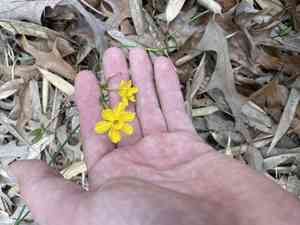
Jonquil (Narcissus jonquilla)
Also known as: Rush daffodil
The Narcissus jonquilla, commonly known as the jonquil, is a vibrant spring-blooming member of the daffodil family. Native to the Iberian Peninsula, this plant is celebrated for its intense fragrance and has been grown widely across Europe and North America. Its aromatic oil is a cherished ingredient in perfumery.
Attributes of Jonquil
Images of Jonquil
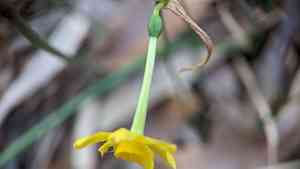
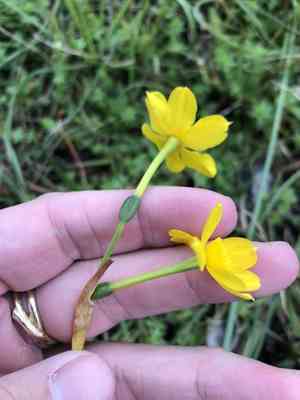
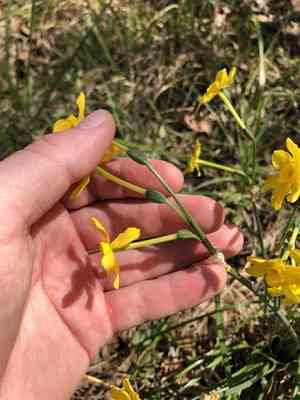
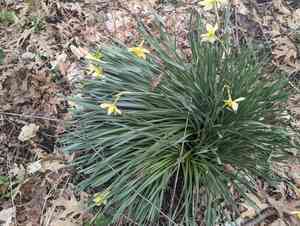
Quickly Identify Jonquil
Scientific Classification of Jonquil
Planting and Growing of Jonquil
 How to Water Jonquil?
 What Are the Sunlight Requirements for Jonquil?
 What Is the Ideal Temperature Range for Jonquil?
 What Soil is Best for Jonquil?
 How to Fertilize Jonquil?
 How to Prune Jonquil?
 How to Propagate Jonquil plant?
 How to Repot Jonquil plant?
Toxicity of Jonquil
Is Jonquil toxic to humans?
Jonquils present a mild toxicity hazard to humans when ingested. Every part of the plant is deemed toxic and can result in poisoning if eaten. In cases of accidental consumption, individuals may experience various symptoms such as nausea, vomiting, stomach pain, and diarrhea. The intensity of these symptoms can differ based on the amount ingested. It is crucial for individuals, particularly those with children or pets, to recognize these potential dangers and to take measures to avoid unintended ingestion of any portion of the jonquil.
Is Jonquil toxic to cat?
Jonquils are lovely blooms; however, they contain toxins that can cause moderate to severe illness in cats if consumed. Every part of the plant is toxic, with the bulb being the most hazardous. Fortunately, it is uncommon for cats to consume enough of the bulbs to trigger a serious response. The usual symptoms include vomiting and excessive drooling. In the rare case that your cat consumes a significant quantity of the bulbs, more severe symptoms may arise, such as abnormal breathing, drowsiness, seizures, and kidney damage, all of which necessitate prompt veterinary care.
Is Jonquil toxic to dog?
Jonquil can pose a significant danger to dogs. While it is typical for dogs to consume only small quantities of this plant, leading to mild poisoning, substantial intake can be fatal. Therefore, if you suspect your dog has ingested any part of the jonquil, it is crucial to seek veterinary assistance immediately. Every part of the plant contains harmful substances, but the bulbs are particularly rich in these toxins. Signs of poisoning include excessive drooling, diarrhea, and vomiting. In severe instances, outcomes may escalate to convulsions, irregular heart rhythms, tremors, coma, and even death.



