How to Prune Common myrtle?
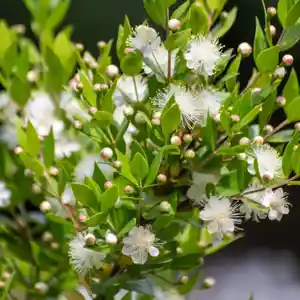
Myrtus communis, a perennial shrub native to the Mediterranean, is highly valued for its fragrant leaves and stellate blooms. Trim Myrtus communis during the initial part of spring or in winter to preserve its form and stimulate compact development. Eliminate any lifeless or frail branches and gently sculpt the crown, refraining from drastic trimming. Strategic pruning benefits Myrtus communis by lowering the chance of illness and fostering abundant flower and leaf generation.
What Are the Benefits of Pruning Common Myrtle?
What Are the Benefits of Pruning Common Myrtle?
Trimming common myrtle promotes abundant flowering and boosts its resistance to pests and diseases, ensuring a more robust and vibrant plant.
What Is the Best Time for Pruning Common Myrtle?
What Is the Best Time for Pruning Common Myrtle?
Pruning common myrtle in early spring aligns with the period just before the onset of the main growth cycle, allowing the plant to direct energy to new, desired growth that shapes it effectively. Winter is also suitable as common myrtle is dormant, minimizing stress and reducing the risk of disease intrusion into pruning wounds. Avoiding the active growth and flowering phase in late spring and summer ensures that the plant's blossoming and fruiting potential is not compromised.
What Tools Do I Need to Prune Common Myrtle?
Hand Pruners
Perfect for cutting small stems and branches of common myrtle, ensuring clean cuts for healthier growth.
Loppers
Appropriate for trimming thicker branches that hand pruners cannot manage, providing leverage for precise cutting.
Pruning Saws
Required for larger branches where loppers are insufficient, allowing for controlled cuts without harming common myrtle.
Hedge Shears
Excellent for shaping common myrtle when creating formal hedges or performing routine trimming of soft growth.
Pruning Gloves
Crucial for protecting hands from sharp edges and natural irritants while pruning common myrtle.
How to Prune Common Myrtle
Step1: Sterilize Pruning Tools
Start by sanitizing your pruning tools to prevent disease spread. Use a solution of 1 part bleach to 9 parts water to clean the blades, or apply rubbing alcohol directly to the blades before beginning to prune common myrtle.
Step2: Timing of Pruning
Select the appropriate time of year to prune common myrtle, typically late winter or early spring before new growth emerges, to allow for healing and new development during the growing season.
Step3: Removing Dead Branches
Begin by removing any dead branches, cutting them back to where they meet healthy wood. Make the cut at a 45-degree angle, about 1/4 inch above an outward-facing bud or branch. This encourages water runoff and promotes new growth in a desirable direction.
Step4: Identifying Old Wood
Locate old wood that no longer produces vigorous growth or blooms. Old wood can be identified by its thicker, darker appearance and rougher texture compared to new, green stems.
Step5: Thinning Out Old Wood
Selectively thin out old wood by cutting back to a side branch or the main stem. Aim to remove no more than one-third of such material in a single year to avoid stressing common myrtle.
Step6: Shaping Plant Structure
Assess the overall shape and structure of common myrtle as you prune. Strive to create an open, vase-like form that allows light and air to penetrate the plant's center, which encourages healthy growth and reduces disease likelihood.
Step7: Disposal of Pruning Debris
After cutting dead branches and old wood, properly dispose of the removed material, as it could harbor pests or diseases that might affect common myrtle or other plants.
Step8: Post-Pruning Tool Care
Once pruning is complete, clean and sterilize the tools again to prepare them for future use and prevent cross-contamination between plants.
Step9: Post-Pruning Watering
Lightly water common myrtle after pruning to help reduce plant stress. Avoid heavy watering or fertilizing immediately after pruning, as this can promote overly rapid growth before the plant has had time to heal.
Step10: Monitoring New Growth
Observe common myrtle over the next several weeks for signs of new growth from the remaining buds. This will indicate successful pruning and allow you to assess the plant's shape as it fills in.
Post-Pruning Care for Common Myrtle
Post-Pruning Care for Common Myrtle
Immediately after pruning common myrtle, water thoroughly to lessen transplant shock. Place common myrtle in partial shade to alleviate stress while maintaining mild to warm temperatures and consistent humidity. Initiate a fertilization regimen with a balanced, slow-release formula to support regrowth. Regularly check for signs of distressâwilting, discolorationâor infection. Promptly address any anomalies by adjusting care or consulting a plant health specialist.
Common Pruning Mistakes with Common Myrtle
Avoid Old Wood Pruning, Risk Bare Patches
Cutting into old wood where there are no leaves can be harmful for common myrtle, as it may not be able to produce new shoots from these points, leading to bare areas.
Restrict Over-Pruning, Prevent Plant Stress
Excessive pruning or removing too much foliage in one session can stress common myrtle, resulting in poor plant health or reduced flowering.
Sterilize Tools, Stop Disease Spread
Failing to sterilize pruning tools before use can spread disease between common myrtle and other plants, potentially harming the specimen.
Remove Dead Branches, Enhance Air and Light
Neglecting to remove dead, diseased, or crossing branches can lead to insufficient air circulation and light penetration, affecting the overall health and bloom of common myrtle.
Respect Natural Shape, Maintain Structure
Ignoring the natural shape of common myrtle while pruning can result in an unattractive appearance and may compromise the plant's structural integrity.
Common Pruning Tips for Common Myrtle
Sharp Shears for Healthy Cuts
Use clean, sharp shears to make precise cuts that will heal quickly and reduce the risk of disease for common myrtle.
Prune One-Third Foliage, Reduce Stress
Ideally, remove only about one-third of the total foliage during a pruning session to prevent putting common myrtle under excessive stress.
Purposeful Pruning for Better Circulation
Always prune with a goal: remove dead and diseased limbs first, then focus on shaping and thinning common myrtle for improved air circulation and sunlight penetration.
Post-Flowering Trim Stimulates Reblooming
After flowering, lightly trim common myrtle to encourage bushiness and remove faded flowers, which often stimulates a second bloom cycle.
Prune to Natural Shape for Health
Follow the natural growth habit when shaping common myrtle for a healthier and more aesthetically pleasing plant.



