How to Prune Nutmeg and mace?
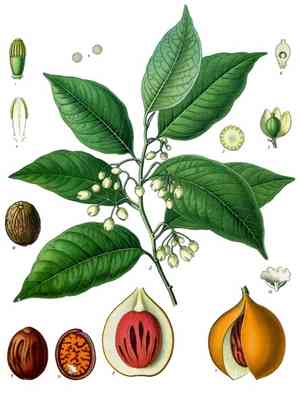
Originating from the Spice Islands, Myristica fragrans is celebrated for producing two distinct spices from its fruit. Perform pruning on Myristica fragrans during the winter season, eliminating any deceased or ailing branches and sculpting the crown to facilitate air circulation and sunlight exposure. Reducing the density of the leaves aids in averting fungal infections. Deliberate cuts elevate the caliber of the harvest, channeling vitality towards fruit development. Keep excisions to a minimum to safeguard the capacity for spice generation. This horticultural technique, essential for Myristica fragrans, boosts both the plant's well-being and its spice output.
What Are the Benefits of Pruning Nutmeg And Mace?
What Are the Benefits of Pruning Nutmeg And Mace?
Trimming nutmeg and mace is essential for maintaining its strength and promoting a denser, more compact shape. Strategic cutting helps manage the size of nutmeg and mace, keeping it contained and visually appealing in garden settings.
What Is the Best Time for Pruning Nutmeg And Mace?
What Is the Best Time for Pruning Nutmeg And Mace?
Pruning nutmeg and mace in late winter is advantageous because the plant is dormant, which reduces stress and the likelihood of disease spread. This timing also allows for the removal of any damaged or diseased limbs before the spring growth cycle begins, fostering healthier and more robust development. Additionally, it prevents the loss of the current year's flowers and fruits, as nutmeg and mace typically blooms and produces fruit in warmer months. Late winter pruning also offers improved visibility of the plant's structure due to the absence of leaves, enabling more precise cuts.
What Tools Do I Need to Prune Nutmeg And Mace?
Hand pruners
Perfect for precise trimming of nutmeg and mace's smaller branches and foliage, ensuring clean cuts for healthy regrowth.
Loppers
Suitable for cutting through nutmeg and mace's thicker branches that hand pruners cannot manage, thanks to their long handles providing leverage.
Pruning saw
Required for nutmeg and mace's mature branches that are too thick for loppers, allowing for clean cuts without harming the plant.
Pole pruner
Useful for reaching higher branches of nutmeg and mace without needing a ladder, enhancing safety during the pruning process.
Gloves
Protective gloves are vital to shield the gardener's hands from nutmeg and mace's rough bark and potential skin irritants.
How to Prune Nutmeg And Mace
Sanitize
Before pruning nutmeg and mace, clean pruning tools with a solution of 1 part bleach to 9 parts water to prevent the spread of disease.
Identify
Examine nutmeg and mace closely to identify all dead or diseased branches, which may appear discolored, have growths, or show signs of decay.
Cut
Using sharp, clean pruning shears, cut dead or diseased branches at the point where they join healthy wood. Make cuts at a slight angle to facilitate water runoff and prevent rot.
Dispose
Remove all cuttings from the area around nutmeg and mace to prevent potential disease spread or pest attraction. Dispose of the dead or diseased material properly.
Review
After pruning, review nutmeg and mace to ensure no dead or diseased branches remain and that the overall structure is healthy. Make any final minor adjustments as necessary.
Common Pruning Mistakes with Nutmeg And Mace
Over-Pruning
Removing too much foliage can stress nutmeg and mace, leading to a reduction in its ability to photosynthesize and produce energy. It's essential not to remove more than a third of the growth at any pruning session.
Improper Cuts
Making cuts too close to the main stem or leaving too large a stub can lead to diseases and pests. It's crucial to cut at the right spot, ideally just above a leaf node, for healthy re-growth.
Pruning Healthy Growth
Indiscriminately pruning both healthy and unhealthy branches can limit nutmeg and mace's potential for growth and fruit production. Focus on removing only dead, diseased, or overcrowded growth.
Ignoring Branch Angle
Cutting branches without considering their angle of growth often leads to unwanted growth patterns. Prune to maintain the natural structure and to encourage airflow and light penetration.
Neglecting Tool Hygiene
Using dirty pruning tools can introduce pathogens to nutmeg and mace. Always clean and sanitize tools before use to minimize the risk of disease transmission.
Unbalanced Pruning
Pruning one side more heavily than the other can lead to lopsided growth. Strive for symmetrical pruning to help maintain balance and aesthetic appeal.
Common Pruning Tips for Nutmeg And Mace
Sharp Tools
Use sharp, clean pruning shears to make clean cuts which heal faster, preventing disease entry.
Strategic Thinning
Thin out some of the interior branches to improve air circulation and light penetration to the inner canopy, which is crucial for nutmeg and mace's health and productivity.
Selective Pruning
Carefully select the branches to prune, looking for dead, dying, or crossing branches that can lead to disease and poor air circulation if left unaddressed.
Cutting Technique
Make cuts at a 45-degree angle, about 1/4 inch above an outward-facing bud or leaf node to promote a desirable growth direction and avoid water accumulation on the cut surface.
Judicious Trimming
Trim nutmeg and mace's outermost growth to gently shape the plant without compromising its natural form or vigor.
Moderation
Exercise moderation when pruning to avoid shock. Little and often is generally better than a single, harsh pruning.



