How to Prune Alternate water milfoil?
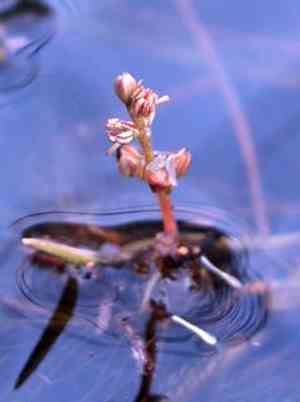
A fragile, water-dwelling perennial, alternate water milfoil thrives underwater, displaying plume-like leaves. Trim the upper sections in spring and summer to manage its expansion and ensure proper water circulation. Cut precisely above a leaf joint with sanitized shears, focusing on elongated or lifeless stalks. Consistent trimming during periods of vigorous development encourages more compact, robust growth. Refrain from excessive pruning to avert plant strain. Trimming enhances light access and diminishes detritus, thereby improving the aquatic environment.
Advantages of Trimming Alternate Water Milfoil
Advantages of Trimming Alternate Water Milfoil
Trimming alternate water milfoil assists in maintaining its form and promotes robust development. By eliminating overgrown or lifeless tissue, it fosters a healthier and more visually appealing aquatic setting.
Optimal Time for Trimming Alternate Water Milfoil
Optimal Time for Trimming Alternate Water Milfoil
Trimming alternate water milfoil in spring enables gardeners to remove any dead or damaged foliage from winter before new growth begins. This timing aligns with the plant's natural growth cycle, energizing it for strong development during its active period. Early summer trimming is beneficial for shaping alternate water milfoil, managing its spread, and keeping a desired size. It's crucial to avoid trimming alternate water milfoil too late in the season as this can stimulate new growth that may not have enough time to harden before winter, potentially leading to frost damage. Trimming during these specific seasons promotes the health of alternate water milfoil without disrupting its flowering cycle, as it typically does not produce prominent flowers or fruit that would dictate trimming times.
Necessary Tools for Trimming Alternate Water Milfoil
Aquascaping Scissors
For precise cuts on alternate water milfoil, aquascaping scissors are ideal as they are designed to reach into water and trim plants with minimal disruption to the surrounding aquatic environment.
Long-handled Pruning Shears
Alternate water milfoil may require trimming below the water surface, and long-handled pruning shears can provide the extra reach needed to access stems while keeping the gardener dry.
Aquarium Tongs
Manipulating or extracting parts of alternate water milfoil for trimming can be done efficiently with aquarium tongs. They offer precision and gentle handling to avoid damaging the plant or disturbing the aquatic habitat.
How to Trim Alternate Water Milfoil
Identify
Thoroughly inspect alternate water milfoil to pinpoint all diseased and withered leaves, as well as diseased stems that require trimming.
Sanitize
Before cutting, disinfect your trimming tools with a solution of 1 part bleach to 9 parts water to prevent disease transmission.
Cut leaves
Using sharp scissors or pruning shears, carefully snip off diseased and withered leaves at their base where they connect to the stem, avoiding healthy tissue.
Cut stems
Trim diseased stems on alternate water milfoil as close to their origin as possible, making a clean, angled cut to allow water to drain and minimize disease.
Clean up
After trimming, remove and properly dispose of all cut parts to prevent the spread of disease and decay in the water.
Common Trimming Errors with Alternate Water Milfoil
Over-trimming
Removing too much growth from alternate water milfoil at once can weaken the plant, making it more vulnerable to pests or diseases and potentially causing stunted growth or a failure to thrive.
Incorrect Cut Placement
Cutting alternate water milfoil too far above a node or internode can leave unsightly stubs that may not heal properly and could invite disease or pests.
Using Dull Tools
Trimming alternate water milfoil with dull tools can damage stems, leading to an uneven cut that doesn't heal well and could make the plant more susceptible to disease.
Neglecting Hygiene
Failing to clean tools before and after trimming alternate water milfoil can spread diseases from infected plants to healthy ones directly through the cuts.
Tearing Stems
Inexperienced gardeners may inadvertently tear stems of alternate water milfoil by not cutting cleanly, which can cause undue stress and potential points of entry for pests.
General Trimming Advice for Alternate Water Milfoil
Sharp Tools
Use sharp, clean scissors or pruning shears to make precise cuts on alternate water milfoil, which help prevent damage and disease.
Cutting Angle
Make cuts at a 45-degree angle just above a leaf node to encourage healthy new growth in alternate water milfoil.
Selective Trimming
Selectively remove older, yellowing, or dead foliage to improve light penetration and air circulation in the center of alternate water milfoil, promoting more robust growth.
Conservative Approach
Trim alternate water milfoil conservatively, as heavy trimming can be detrimental. Aim to remove no more than one-third of the plant's growth at a time for the best results.
Aftercare
After trimming alternate water milfoil, provide adequate water and nutrients to support recovery and encourage vigorous new growth.



