How to Prune Creeping myoporum?
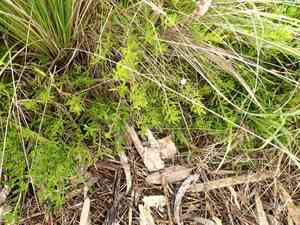
This compact evergreen groundcover flourishes in moderate climates, displaying dainty blossoms and fleshy foliage. For creeping myoporum, trimming ought to restrict horizontal expansion and eliminate withered or injured leaves to preserve its form. The ideal period for pruning is winter, coinciding with the plant's inactive phase, thereby lessening strain. Prompt trimming improves air circulation, which can lower the likelihood of illness. Pruning ought to be discerning and restrained, steering clear of extensive cuts to uphold the plant's inherent mat-like look.
What Are the Benefits of Pruning Creeping Myoporum?
What Are the Benefits of Pruning Creeping Myoporum?
Trimming creeping myoporum promotes a more robust growth pattern, resulting in a thicker, healthier plant. It also aids in preserving its desired form and dimensions, ensuring creeping myoporum remains an appealing ground cover without exceeding its allocated area.
What Is the Best Time for Pruning Creeping Myoporum?
What Is the Best Time for Pruning Creeping Myoporum?
Pruning or trimming creeping myoporum from late Winter to early Spring is optimal because this period coincides with the end of the plant's dormant phase and just before the start of its new growth cycle. This timing ensures that creeping myoporum recovers swiftly from pruning, as the plant's energy is directed towards fresh growth, leading to a more vigorous and healthy specimen. Furthermore, trimming during this time minimizes the risk of disease and pest infestations, which are often less active in cooler weather. It also allows the plant to produce an excellent display of foliage and flowers in its growing season without the stress of recent cuts.
What Tools Do I Need to Prune Creeping Myoporum?
Bypass Pruners
Perfect for making clean cuts on the soft stems of creeping myoporum, bypass pruners are suitable for trimming small branches and shaping the plant. Their scissor-like action allows for precise cuts without crushing plant tissues.
Hand Shears
Creeping myoporum can spread widely and may need shaping to maintain its ground-covering form. Hand shears are excellent for clipping and maintaining the desired shape, allowing for quick trimming of larger areas.
Pruning Saw
If creeping myoporum has developed thicker, woodier stems, a pruning saw might be necessary for removing larger branches. This tool allows for cutting through dense growth without harming surrounding stems.
Gloves
Wearing gloves is essential to protect your hands from scratches and potential sap irritation when pruning creeping myoporum. Choose durable gloves with a good grip.
How to Prune Creeping Myoporum
Assessment
Evaluate the overall health of creeping myoporum, focusing on identifying withered leaves, dead branches, and diseased branches that need removal.
Sanitation
Sanitize your pruning tools with a solution of 1 part bleach to 9 parts water to prevent the spread of disease during pruning.
Pruning Withered Leaves
Carefully remove withered leaves by snipping them off at the base where they connect to the stem or branch, ensuring not to damage healthy parts.
Pruning Dead Branches
Cut dead branches back to the point of healthy wood, using sharp, clean pruning shears. Make cuts at a slight angle to facilitate water runoff and prevent disease.
Pruning Diseased Branches
Trim diseased branches well below the affected area to ensure all diseased tissue is removed. Dispose of these clippings immediately to prevent contamination.
Common Pruning Mistakes with Creeping Myoporum
Over-Pruning
Removing too much growth in one session can stress creeping myoporum, leading to poor health or stunted growth. It is best to prune no more than one-third of the plant at a time.
Improper Tools
Using dull or unclean tools can damage creeping myoporum and introduce disease. It is important to use sharp, clean pruning shears to make clean cuts.
Tearing Stems
Ripping or tearing the stems instead of cutting can cause unnecessary harm to creeping myoporum. Always make sure to cut, not tear, stems to preserve plant health.
Ignoring Plant Shape
Failing to consider the natural growth habit of creeping myoporum when pruning can result in an undesirable shape. Pruning should maintain the natural form of the plant.
Pruning Without Purpose
Pruning creeping myoporum without a clear goal, such as removing dead or diseased growth, shaping, or controlling size, can be detrimental. Clearly identify the reason for pruning before beginning.
Common Pruning Tips for Creeping Myoporum
Selective Trimming
Focus on selectively trimming overgrown areas of creeping myoporum to maintain an even ground cover effect. This encourages new growth and denser foliage.
Deadheading
If creeping myoporum is grown for its flowers, remove old blooms to promote continuous flowering throughout the growing season.
Cutting Angles
Make cuts at a 45-degree angle just above leaf nodes or branching points to direct new growth and prevent water accumulation on the cut surface that could lead to rot.
Identifying Disease
Regularly inspect creeping myoporum for signs of diseases or pests while pruning. Remove and discard any infected parts to prevent spreading.
Post-Pruning Care
After pruning creeping myoporum, provide adequate water and consider applying a balanced fertilizer to support recovery and new growth.



