How to Prune Buddha's lamp?
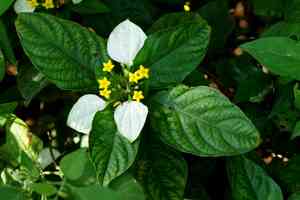
This perennial bush, recognized for its decorative blossoms and oval leaves, flourishes when given appropriate attention. For buddha's lamp, trim to sculpt and eliminate lifeless or frail stalks in late spring or early summer, following the blooming period. Consistent removal of spent flowers stimulates additional flowering and sustains the plant's robustness. Trimming not only fosters a controlled growth pattern but also elevates the plant's visual charm and well-being. Refrain from making extensive cuts to safeguard the fragile limbs of buddha's lamp.
Advantages of Trimming Buddha's Lamp
Advantages of Trimming Buddha's Lamp
Trimming buddha's lamp promotes more abundant and vibrant blooms while also helping to deter pests and diseases by removing old or infected foliage, ensuring a more vigorous and attractive plant.
Optimal Time for Trimming Buddha's Lamp
Optimal Time for Trimming Buddha's Lamp
Trimming buddha's lamp in late spring coincides with the post-flowering period, allowing gardeners to shape the bush and remove spent blossoms, which encourages a second bloom and helps maintain plant vigor. Similarly, early summer trimming is beneficial as it allows for the removal of any lingering frost damage from winter, letting buddha's lamp focus energy on new growth. During these seasons, buddha's lamp's growth cycle is active, and the plant can heal faster, reducing the risk of disease. These times also avoid disturbing the early spring bloom cycle and the dormancy period in the fall and winter.
Tools Required for Trimming Buddha's Lamp
Hand Pruners
Perfect for making precise cuts on buddha's lamp's thinner stems and branches, ensuring minimal damage to the plant tissues.
Loppers
Suitable for cutting through thicker branches of buddha's lamp that hand pruners cannot handle, providing leverage and reach.
Pruning Saw
Essential for removing mature wood or larger branches of buddha's lamp, offering the necessary blade length and strength.
Gardening Gloves
Important for protecting the gardener's hands from thorns and rough bark while trimming buddha's lamp.
Pruning Sealer
Used after making cuts to seal the wounds and minimize the risk of diseases entering buddha's lamp's open cuts.
Sanitizer
To disinfect the tools before and after trimming buddha's lamp to prevent the spread of disease.
How to Trim Buddha's Lamp
Clean Tools
Sterilize trimming tools before starting to prevent the spread of diseases to buddha's lamp. Use rubbing alcohol or a 10% bleach solution to clean the blades thoroughly.
Remove Diseased Parts
Carefully remove any diseased leaves and branches from buddha's lamp. Make precise cuts, ensuring to remove the entire affected area to prevent further spread of disease.
Clear Dead Material
Trim away dead branches and withered leaves from buddha's lamp. This should be done by cutting at a 45-degree angle just above a healthy bud, node, or branching point to promote healthy new growth.
Trim Withered Flowers
Cut back withered flowers on buddha's lamp to just above the first set of healthy leaves. This will encourage reblooming and maintain the shape and appearance of the plant.
Control Growth
Reduce excessive growth branches on buddha's lamp by selectively trimming. Focus on branches that disturb the shape of the plant or cross over each other, which could lead to diseases due to poor air circulation.
Common Trimming Mistakes with Buddha's Lamp
Over-Trimming
Removing too much foliage from buddha's lamp can lead to stress and reduced flowering. Itâs important not to trim more than one-third of the plant at a time.
Improper Cut Location
Cutting too far away from a leaf node or along the main stems can cause unsightly stubs and harm buddha's lamp's growth pattern. Cuts should be made just above leaf nodes.
Using Dull Tools
Trimming with dull blades can damage buddha's lamp's branches, leading to jagged cuts that are more susceptible to disease and pests.
Trimming Healthy Blooms
Accidentally cutting off healthy flowers or buds decreases the ornamental value of buddha's lamp and prevents it from showcasing its full blooming potential.
Neglecting To Disinfect
Not sterilizing trimming tools before use on buddha's lamp can spread disease between plants, posing a risk to plant health.
Common Trimming Tips for Buddha's Lamp
Selective Trimming
Focus on removing only the dead or diseased branches to maintain buddha's lamp's health and shape. This targeted approach will facilitate better growth and blooming.
Clean Cuts
Make clean, angled cuts just above a set of leaves or branching point, which helps buddha's lamp heal faster and encourages new growth.
Regular Maintenance
Regularly inspect buddha's lamp and remove any dead or yellowing leaves to improve air circulation and reduce the likelihood of disease.
Post-Bloom Trimming
After buddha's lamp finishes flowering, trim back the spent blooms to encourage another round of flowers and maintain a tidy appearance.
Ensuring Proper Growth Direction
Guide the growth of buddha's lamp by trimming back branches that are growing inwards towards the center of the plant, to maintain an open structure that allows light and air to penetrate.



