How to Prune Hardy banana?
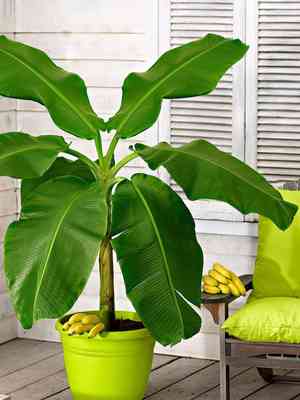
Hailing from the Japanese archipelago, the hardy banana is prized for its abundant, tropical leaves and impressive resilience to cold. Trimming should primarily involve eliminating withered or compromised foliage and faded flower stems. The most opportune time for this maintenance is in early summer, fostering fresh development while avoiding the risk of frost harm. Eliminating older leaves improves light access and air movement, leading to more robust growth. Furthermore, pruning helps maintain the hardy banana's visual appeal and controllable dimensions.
What Are the Benefits of Pruning Hardy Banana?
What Are the Benefits of Pruning Hardy Banana?
Trimming hardy banana promotes a more plentiful yield, encourages robust development, and preserves its desired form, ensuring peak health and visual appeal.
What Is the Best Time for Pruning Hardy Banana?
What Is the Best Time for Pruning Hardy Banana?
In early summer, hardy banana has finished its main growth surge from spring. Pruning then stimulates new growth, which will have ample time to mature and toughen before autumn's colder temperatures. It also helps prevent diseases and pests common in warmer, wetter months by removing dead or damaged foliage. Since hardy banana typically doesn't flower or fruit, pruning during this period doesn't negatively impact these processes. This timing also allows gardeners to shape the plant while it's actively growing, ensuring a healthy structure for the coming year. It's vital to avoid pruning in late fall or winter as the plant is less active, and new growth might not harden sufficiently before potential freezes.
What Tools Do I Need to Prune Hardy Banana?
Sharp Bypass Pruners
Perfect for making precise cuts on hardy banana's smaller stems and leaves without crushing plant tissues, leading to faster recovery.
Long-Handled Loppers
Useful for reaching higher stems of hardy banana's tall growth and providing leverage for cutting through thicker canes.
Pruning Saw
Essential for cutting through hardy banana's mature and thicker stems that are too large for pruners and loppers.
Heavy-Duty Gardening Gloves
Shields hands from hardy banana's coarse texture and any sap that might irritate skin during the trimming process.
Garden Shears
Suitable for shaping hardy banana and precisely removing any dead or unwanted foliage.
Wound Sealant
Applied to larger cuts on hardy banana to protect against diseases and pests after pruning.
How to Prune Hardy Banana
Step1: Personal Protection Preparation
Don protective gloves and safety glasses before beginning any pruning on hardy banana. This will safeguard your hands from sharp edges and your eyes from debris.
Step2: Tool Disinfection
Sanitize your pruning tools with rubbing alcohol or a 10% bleach solution to stop disease spread. Clean tools ensure a healthy pruning process.
Step3: Dead Leaf Removal
Begin by removing dead leaves from hardy banana. Make clean cuts where the leaf stem meets the main stalk using sharp, clean shears or a knife. Dead leaves will often appear completely brown and dried out.
Step4: Partial Brown Leaf Trimming
Identify brown leaves which may still be partially green. Cut these leaves back to the base of the leaf stem where it connects with the main stalk, as these leaves will not recover and can be a site for disease.
Step5: Weak Stem Identification
Examine hardy banana for weak stems, which are typically smaller in diameter, may be leaning significantly, or not producing healthy leaves. Remove these to allow the plant to direct energy to stronger growth.
Step6: Weak Stem Pruning
Make cuts on weak stems at the base where they emerge from the ground or from the main stalk. Use a saw for thicker stems and loppers or shears for thinner ones.
Step7: Aesthetic Shaping and Thinning
Shape hardy banana by removing any additional leaves or stems that disrupt the plant's aesthetic balance or contribute to overcrowding. Ensure to cut at the base of the leaf stem or the ground.
Step8: Post-Pruning Cleanup
After pruning, clear away all trimmings from around hardy banana to keep the area tidy and lessen the chance of disease or pests.
Step9: Post-Pruning Watering
Water hardy banana thoroughly after pruning, which will help the plant recover and limit stress.
Step10: Growth Monitoring and Care
Monitor hardy banana after pruning for signs of new growth or any indications of stress, and provide care as needed, such as adjusting watering or fertilization.
Post-Pruning Care for Hardy Banana
Post-Pruning Care for Hardy Banana
After trimming hardy banana, ensure a clean cut to aid healing. Place hardy banana in a well-lit area but avoid direct, harsh sunlight. Maintain optimal humidity and protect from extreme temperatures. Apply a balanced fertilizer to encourage growth, but avoid over-fertilization. Regularly inspect hardy banana for signs of stress, such as discolored foliage or rot, and address promptly with fungicides or pest control if necessary.
Common Pruning Mistakes with Hardy Banana
Avoid Dull or Dirty Pruning Tools
Using dull or dirty pruning tools can harm hardy banana's pseudostems and make them vulnerable to diseases.
Do Not Over-Prune
Trimming too much of hardy banana at once can stress the plant and impede its growth, as it relies on leaves to photosynthesize and store energy.
Selective Sucker Removal
Removing emerging suckers indiscriminately, which can reduce hardy banana's vigor and potential for producing offsets.
Prevent Main Stem Damage
Cutting into the main stem of hardy banana instead of just removing dead or damaged leaves and stems, potentially causing irreparable damage.
Common Pruning Tips for Hardy Banana
Use Sharp, Clean Pruning Tools
Always use sharp, clean pruning shears or a knife to make clean cuts that will heal quickly, reducing the chance of disease.
Remove Only Dead or Damaged Leaves
Focus on removing only dead or severely damaged leaves to maintain hardy banana's health; this will also promote better air circulation around the plant.
Thin Out Weaker Suckers
When thinning out hardy banana, choose to remove only the smaller or weaker suckers, allowing the stronger ones to develop and maintain the plant's structure.
Make Angled Cuts for Water Runoff
Make angled cuts on leaves and stems to ensure water runs off the cut surface, reducing the risk of rot or fungal infections.
Wear Protective Gear When Pruning
Wear gloves and protective clothing when pruning hardy banana as its sap and rough edges can irritate skin.



