How to Prune Black mulberry?
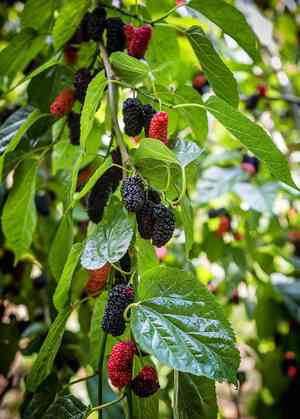
This leafy tree is recognized for its dark-purple berries and cordate foliage. For black mulberry, focus on excising deceased or ailing limbs, thinning to allow light and air movement, and forming for aesthetic balance. The perfect period for pruning is late winter prior to the onset of spring development. Pruning boosts fruit yield and tree robustness. Refrain from excessive pruning, as it may diminish fruiting; concentrate on measured, yearly cuts for peak well-being and harvest.
What Are the Benefits of Pruning Black Mulberry?
What Are the Benefits of Pruning Black Mulberry?
Trimming black mulberry promotes a more plentiful yield by directing the plant's energy towards fruit development. Regular cutting helps black mulberry maintain a manageable size and appealing form, while encouraging robust growth and overall plant health.
What Is the Best Time for Pruning Black Mulberry?
What Is the Best Time for Pruning Black Mulberry?
During late winter, black mulberry's dormant phase, the plant is less vulnerable to pruning stress, and the absence of leaves offers a clearer view of its structure, allowing for more precise cuts. Pruning before the start of spring growth enables black mulberry to channel energy into healing and new development, enhancing the plant's health and productivity. This timing also minimizes the risk of disease infection, as fewer pathogens are active in cold weather. Additionally, it prevents the removal of buds that will become the current year's fruit, as black mulberry typically fruits on old wood.
What Tools Do I Need to Prune Black Mulberry?
Bypass Pruners
Black mulberry often requires shaping when young and light trimming as it matures. Bypass pruners are perfect for making clean cuts on smaller branches, typically up to 1/2 inch in diameter. They operate like scissors, providing a clean cut that is vital for the healthy recovery of pruning wounds.
Lopping Shears
These are essential for cutting through thicker branches of black mulberry, up to about 1 1/2 to 2 inches in diameter. Lopping shears feature long handles, which provide leverage and allow access to the denser parts of the canopy.
Pruning Saw
For black mulberry branches exceeding 2 inches in thickness, a pruning saw is indispensable. The saw enables cutting larger limbs with greater control and accuracy, which helps reduce damage to surrounding branches and ensures a clean cut for proper wound closure.
Pole Pruner
If black mulberry has matured and developed higher branches, a pole pruner can be advantageous. It allows the gardener to trim hard-to-reach areas without using a ladder, improving safety during the pruning process.
How to Prune Black Mulberry
Sanitize
Before beginning, clean and sanitize all pruning tools to prevent the spread of disease. Use a solution of one part bleach to nine parts water, or utilize alcohol wipes for sterilization.
Remove Dead Branches
Carefully inspect black mulberry for dead branches, which appear dry, brittle, and lack green, flexible growth. Use sharp, clean pruning shears or a saw to trim dead branches at their point of origin without harming the collar, which is the swollen area where the branch meets the trunk or another branch.
Cut Diseased Branches
Identify diseased branches on black mulberry by looking for abnormal growths, discoloration, or signs of insect infestation. Remove these branches by cutting them back to healthy tissue, ensuring the cuts are clean and smooth to promote healing.
Thin Crown
Thin the crown of black mulberry if necessary by selectively removing some healthy branches. This increases air circulation and sunlight penetration, reducing the potential for disease. Choose interior branches that cross or rub against each other and cut at their base without harming the main trunk.
Disposal
Properly dispose of all removed material from black mulberry, either by burning or discarding in yard waste bags. Avoid composting diseased material to prevent disease recurrence.
Common Pruning Mistakes with Black Mulberry
Over-Pruning
Removing too much of black mulberry's canopy can stress the plant, reducing its vigor and fruit production.
Improper Cut Location
Incorrect cut placement can result in damage to the main branches and increase the risk of disease.
Using Dull Tools
Dull pruning tools can cause ragged cuts, which heal poorly and may lead to pest and disease issues.
Cutting Randomly
Random cuts without a clear goal might lead to a lack of desirable shape and reduce fruiting potential.
Neglecting Suckers
Failure to remove suckers and water sprouts, which can redirect energy from fruit production, is a common oversight.
Common Pruning Tips for Black Mulberry
Clean Cuts
Make clean cuts at a 45-degree angle just above a bud to promote healthy regrowth without harming black mulberry.
Selective Pruning
Thin only the branches that are dead, diseased, crossing or rubbing to maintain a healthy framework.
Tool Hygiene
Sterilize pruning tools before use to minimize the spread of disease between plants.
Thinning Interior
Thin the interior of black mulberry to allow light and air penetration, which is crucial for fruit development.
Branch Angles
Retain branches with wide angles for strength; remove those with narrow crotches to avoid future breakage.



