How to Prune Noni?
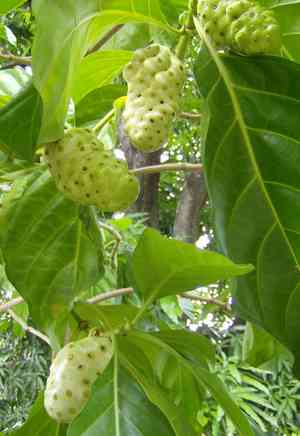
Featuring expansive foliage and white, tube-shaped blossoms, noni thrives with regular trimming to encourage development and fruit yield. Essential methods involve excising lifeless or ailing limbs, reducing thick foliage to improve light exposure, and sculpting for size management. The most effective time for pruning is in early spring, coinciding with noni's natural growth pattern. Meticulous pruning sustains the plant's well-being and can boost fruit output, guaranteeing noni's strength and extended life in the landscape.
What Are the Benefits of Pruning Noni?
What Are the Benefits of Pruning Noni?
Trimming noni encourages a larger yield by directing the plant's energy towards fruit development. It promotes more robust growth in noni, ensuring a strong structure. Regular shaping maintains an attractive appearance, preventing excessive growth and enhancing light exposure.
What Is the Best Time for Pruning Noni?
What Is the Best Time for Pruning Noni?
Trimming noni in early spring supports its well-being and vitality as it enters its active growth period. This timing allows the plant to recover from cuts before warmer temperatures arrive, which can increase pest activity and illnesses. Furthermore, it prevents the removal of flower buds that typically form in other seasons, ensuring that the flowering and fruiting cycles remain undisturbed. Pruning in early spring also helps maintain noni's desired shape and manages its size before the plant expends energy on new growth that would otherwise be removed.
What Tools Do I Need to Prune Noni?
Hand Pruners
Perfect for making clean cuts on noni's smaller branches, typically under 0.5 inches in diameter. Opt for bypass pruners for precise cuts and quicker healing.
Loppers
Suitable for cutting branches between 0.5 to 1.5 inches thick. The extended handles provide the necessary leverage for cutting through noni's tougher wood while minimizing plant damage.
Pruning Saw
Essential for removing noni's branches exceeding 1.5 inches in thickness. A curved blade saw can be particularly effective, allowing for easier cutting through denser material.
Gloves
Crucial for protecting the gardener's hands from noni's potentially rough texture and any pests or diseases it might harbor.
Pruning Sealer
Used to treat wounds after pruning larger noni branches, to prevent disease and pest entry, though its use should be careful and align with current horticultural advice.
How to Prune Noni
Step1: Identify Plant Parts for Pruning
Inspect noni thoroughly to pinpoint the sections requiring trimmingâspecifically yellow leaves, dead wood, and suckers. Ensure this is done during noni's dormant phase or after its fruiting cycle to minimize plant stress.
Step2: Sterilize Pruning Tools
Sanitize your pruning tools with a solution of 1 part bleach to 9 parts water to prevent the spread of disease.
Step3: Remove Yellow Leaves
Begin by removing yellow leaves. These can be snapped off by hand or cut with pruning shears close to the branch. Be careful not to tear the bark on the branch or harm nearby healthy leaves.
Step4: Prune Dead Wood
Cut away dead wood, identifiable by its dry, brittle appearance and lack of green when lightly scraped. Prune these branches where they meet healthy, living wood, making a clean cut just above a node or lateral branch.
Step5: Cut Away Suckers
Eliminate suckers, which are small shoots emerging from noni's base or along its roots, by cutting them to the ground level or as close to the main trunk as possible without causing damage.
Step6: Tool Cleaning Post-Pruning
After pruning, always clean your tool blades before moving to another plant to prevent the spread of any potential diseases.
Step7: Dispose of Pruning Debris
Discard the trimmed material by either burning, composting away from noni, or disposing of it with garden waste to prevent diseases from re-entering the area.
Step8: Water Plant After Pruning
Lightly water noni after pruning to reduce stress and aid recovery, being careful not to overwater, as this can lead to root rot in noni.
Step9: Monitor Plant Recovery and Care
Observe noni over the next few weeks for signs of new growth and ensure proper care by fertilizing and maintaining the soil's moisture level without oversaturation.
Post-Pruning Care for Noni
Post-Pruning Care for Noni
Immediately after trimming noni, keep the plant in a stable environment with indirect sunlight, high humidity, and warm temperatures. Apply a balanced, slow-release fertilizer to replenish essential nutrients. Water sparingly to prevent root rot. Watch for wilting, discoloration, or oozing, which may indicate stress or infection. If symptoms appear, promptly isolate the plant and consult a horticultural expert. Consistent monitoring and gentle care will facilitate noni's recovery and growth.
Common Pruning Mistakes with Noni
Excessive Foliage Removal Stress
Over-pruning, which involves removing too much foliage at once and can stress noni, potentially leading to reduced vigor and fruit production.
Incorrect Pruning Cuts Lead to Disease
Cutting too close to the main stem or trunk, which can create wounds that are susceptible to disease and pests.
Spreading Disease with Unsterilized Tools
Pruning without sterilizing tools beforehand, risking the spread of disease between plants.
Improper Technique Damages Plants
Using an incorrect pruning technique, such as tearing branches instead of making clean cuts, which can damage noni and impede healing.
Failure to Remove Unhealthy Wood
Neglecting to remove dead or diseased wood, which can hinder noni's growth and health.
Common Pruning Tips for Noni
Sharp Tools for Precise Cuts
Always use sharp and clean pruning tools to make precise cuts, which helps promote quick healing and reduces the risk of disease.
Proper Branch Collar Cutting Technique
When removing larger branches, cut just outside the branch collar rather than flush with the trunk to protect noni from diseases and pests.
Thinning Foliage for Airflow and Sunlight
Focus on thinning out dense areas of foliage to improve air circulation and sunlight penetration, which is essential for noni's health and fruiting.
Prompt Removal of Dead or Diseased Branches
Remove any dead, damaged, or diseased branches as soon as they are noticed to maintain noni's vigor and prevent potential spread to healthy parts of the plant.
Strategic Pruning for Natural Growth
Prune strategically to shape noni, but ensure to retain its natural growth form for optimal health and productivity.



