How to Prune Wax myrtle?
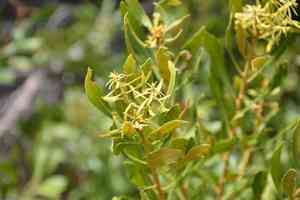
A adaptable evergreen bush indigenous to North America, wax myrtle is recognized for its thick leaves and fragrant fruit. Trim wax myrtle during the winter season to preserve its form and stimulate dense development. Execute thinning cuts to eliminate deceased or excessively long branches, facilitating sunlight access and air movement. Shorten new growths to encourage a compact structure. Refrain from severe pruning; gentle, targeted cuts are more beneficial, safeguarding the plant's inherent shape and fostering its general well-being.
What Are the Benefits of Pruning Wax Myrtle?
What Are the Benefits of Pruning Wax Myrtle?
Trimming wax myrtle promotes robust development and helps maintain its desired form. Strategic cuts can stimulate new, healthy branches and manage its size for both visual appeal and structural integrity.
What Is the Best Time for Pruning Wax Myrtle?
What Is the Best Time for Pruning Wax Myrtle?
Pruning wax myrtle from late winter to early spring is advantageous as it prepares the plant for the vigorous new growth typical of the upcoming growing season. This timing minimizes stress on wax myrtle and allows for quick recovery. It also avoids cutting off new flower buds which develop in the spring, ensuring that the flowering and fruiting capability is not compromised. Furthermore, the dormant state of wax myrtle in winter makes it easier to see the structure for selective pruning and reduces the likelihood of disease transmission.
What Tools Do I Need to Prune Wax Myrtle?
Hand Pruners
For trimming and shaping wax myrtle, hand pruners or secateurs are essential. They allow for precise cuts on small to medium-sized branches and help maintain the plant's desired form.
Lopping Shears
Because wax myrtle can develop thicker branches as it matures, lopping shears are recommended to cut through branches that are too thick for hand pruners, typically up to 1.5 inches in diameter.
Pruning Saw
For the larger, more mature branches of wax myrtle that lopping shears cannot handle, a pruning saw is necessary. Its sharp teeth can cut through branches over 1.5 inches thick.
Hedge Shears
Wax myrtle can be shaped into a hedge, and for this function, hedge shears are the best tool to create a clean, even line across the foliage.
Pole Pruner
For higher branches of wax myrtle that are out of reach, a pole pruner can be used to trim without the need for a ladder, ensuring gardener safety while maintaining the plant.
How to Prune Wax Myrtle
Step1: Disinfect Tool
Use clean, sharp pruning tools. Disinfect your tools with a solution of one part bleach to nine parts water to prevent the spread of disease.
Step2: Remove Dead Wood
Start by removing any dead wood. Make cuts at a slight angle, just above a healthy bud or branch junction, aiming to create as small a wound as possible.
Step3: Trim Diseased Limbs
Identify and trim diseased limbs next. Cut the limb back to healthy tissue, well below any discolored or malformed areas. If the entire limb is affected, remove it completely at its point of origin.
Step4: Cut Suckers
Look for suckers, which are vigorous vertical growths that can appear at the base of wax myrtle or along the roots. Cut these suckers as close to the ground as possible or where they join the main stem.
Step5: Maintain Natural Shape
After removing dead wood, diseased limbs, and suckers, step back to examine the natural shape of wax myrtle. Aim to maintain its form, encouraging good air circulation and sunlight penetration.
Step6: Selective Shaping Cuts
If shaping is required, make selective cuts to balance the plantâs overall form. Focus on thinning rather than topping or shearing. Cut back to a lateral branch or bud that is facing the direction you want new growth to take.
Step7: Clean Cuts Prevention
Ensure all cuts are clean and avoid tearing the bark, which may create an opening for pests and diseases.
Step8: Debris Disposal
After pruning wax myrtle, clear away all debris from the area. Dispose of any diseased material off-site to reduce the risk of reinfection.
Step9: Monitor Plant Health
Monitor the health of wax myrtle post-pruning. Provide adequate water and, if necessary, apply a balanced fertilizer to support recovery and new growth.
Post-Pruning Care for Wax Myrtle
Post-Pruning Care for Wax Myrtle
After pruning wax myrtle, immediately water it thoroughly to reduce transplant shock. Ensure wax myrtle is placed where it receives dappled sunlight; excessive exposure can stress the freshly cut areas. Maintain ambient humidity and temperature to promote healing. Apply a balanced, slow-release fertilizer to support new growth. Regularly inspect wax myrtle for signs of stress, such as wilted leaves or discoloration, and for infection indicators like oozing cuts or unusual growths. If symptoms appear, consult a horticulturist for appropriate treatment.
Common Pruning Mistakes with Wax Myrtle
Over-Pruning in a Single Session
Cutting too much at once can shock wax myrtle, causing stress that can impact its health and growth. It is vital not to remove more than one-third of the plant in a single pruning session.
Not Sterilizing Tools Before Pruning
Neglecting to sterilize tools before pruning can spread diseases between plants. Always clean and sterilize pruning tools before cutting wax myrtle to prevent the introduction of pathogens.
Pruning Without Understanding Plant's Growth Habit
Snipping indiscriminately without understanding the growth habit of wax myrtle can lead to undesirable plant shapes and stunted growth. Gardeners should understand how wax myrtle grows to prune effectively.
Pruning Against Plant's Natural Shape
Ignoring the natural shape of wax myrtle when pruning can result in an unnatural appearance and reduced vigor. Pruning should complement the natural form of the plant.
Common Pruning Tips for Wax Myrtle
Remove Dead or Unhealthy Branches First
Start by removing any dead, damaged, or diseased branches to promote wax myrtle's health. Cutting these away helps to direct energy to the healthy parts of the plant.
Thin Center for Better Airflow and Light
Thin out the center of wax myrtle to enhance air circulation and light penetration, which are critical for preventing disease and encouraging strong growth.
Make Clean Cuts Above Buds for Desired Growth
Make clean cuts just above a leaf node or bud that faces the direction you want new growth to go. This encourages wax myrtle to grow in a more controlled and desired direction.
Prune Tips to Encourage Branching and Fullness
Prune the tips of wax myrtle to promote branching, which results in a denser, fuller plant. This helps maintain its desirable shape and encourages more foliage.
Water and Feed Post-Pruning for Recovery
After pruning, provide wax myrtle with adequate water and nutrients to help it recover quickly and thrive. Well-timed care after pruning can significantly benefit its overall health.



